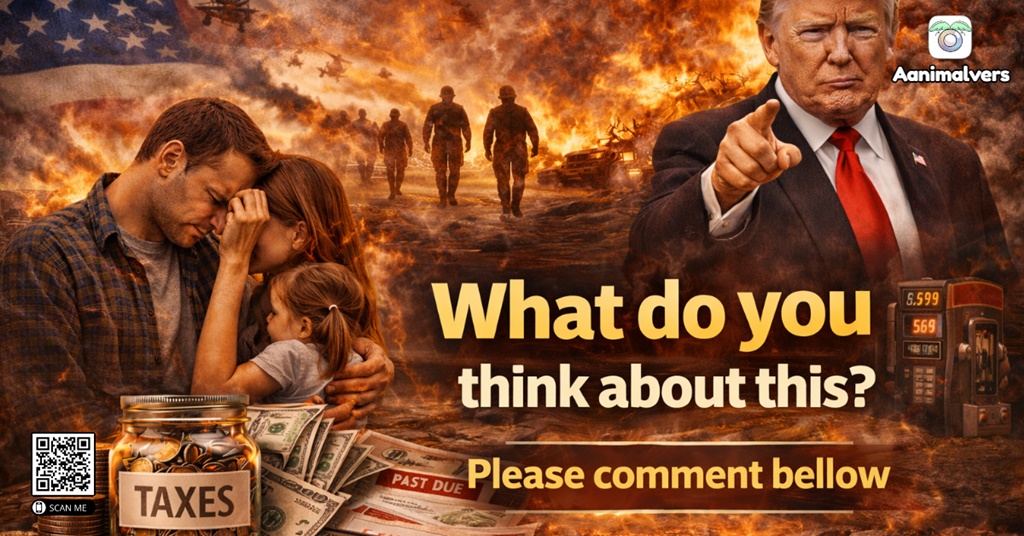
For decades, the United States has played a central role in conflicts in the Middle East—particularly in its tense relationship with Iran. Tensions escalated significantly during the presidency of Donald Trump, especially after the U.S. withdrew from the Joint Comprehensive Plan of Action (JCPOA) and imposed sweeping sanctions. At several moments, the situation appeared to be on the brink of open military confrontation.
Table of Contents
If a full-scale war were to occur, the most pressing question would be: who ultimately bears the cost?
More often than not, it is ordinary Americans—not politicians—who carry the long-term consequences.
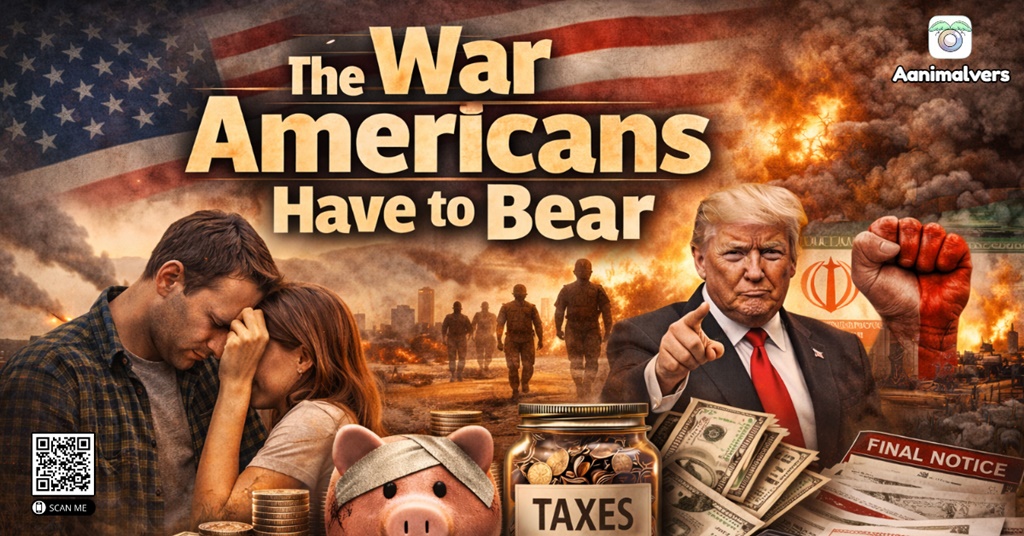
The War Americans Have to Bear: Massive and Unavoidable Costs
Modern warfare does not end on the battlefield. It reverberates through national budgets and public finances. The United States already allocates hundreds of billions of dollars annually to defense spending. Opening a new military front against Iran would likely drive costs sharply higher—covering troop deployments, military operations, equipment, long-term veteran care, and interest on borrowed funds.
“The war Americans have to bear” would translate into higher taxes, expanded national debt, or cuts to domestic programs such as education, healthcare, and infrastructure in order to sustain military expenditures.
Lessons from prolonged conflicts in Iraq and Afghanistan demonstrate that war costs can climb into the trillions of dollars. Ultimately, taxpayers shoulder that burden—either directly through taxation or indirectly through long-term public debt.

Economic Fallout: When Geopolitical Tensions Shake Markets
Direct conflict with Iran would also affect global energy markets. As a significant oil producer, instability involving Iran could trigger spikes in oil prices. That, in turn, would raise fuel costs and ripple through supply chains—affecting everyday goods and increasing the cost of living for American households.
The war Americans have to bear would therefore not only be reflected in government budgets, but also in shrinking disposable income, job market uncertainty, and volatile financial markets.
Over time, sustained geopolitical instability could erode investor confidence, slow economic growth, and heighten risks of inflation—or even recession.
Nationalism and Electoral Politics: Who Gains, Who Pays?
Some analysts argue that adopting a hardline stance against Iran may strengthen a leader’s image among nationalist voters. In politically polarized environments, displays of military strength can resonate with segments of the electorate.
However, if conflict becomes prolonged or costly, the consequences often shift back to the public—through rising deficits, economic strain, and the human toll on military families.
“The war Americans have to bear” thus highlights a political paradox: many citizens may not seek war, yet they are the ones who absorb its economic and social consequences.
Long-Term Impacts Beyond Financial Costs
- Rising Public Debt – Borrowing to finance war increases long-term fiscal pressure.
- Deeper Political Polarization – Military action can intensify divisions within society.
- Domestic Security Risks – Heightened tensions abroad may elevate security concerns at home.
- Global Reputation Challenges – Military escalation can reshape how the U.S. is perceived internationally.
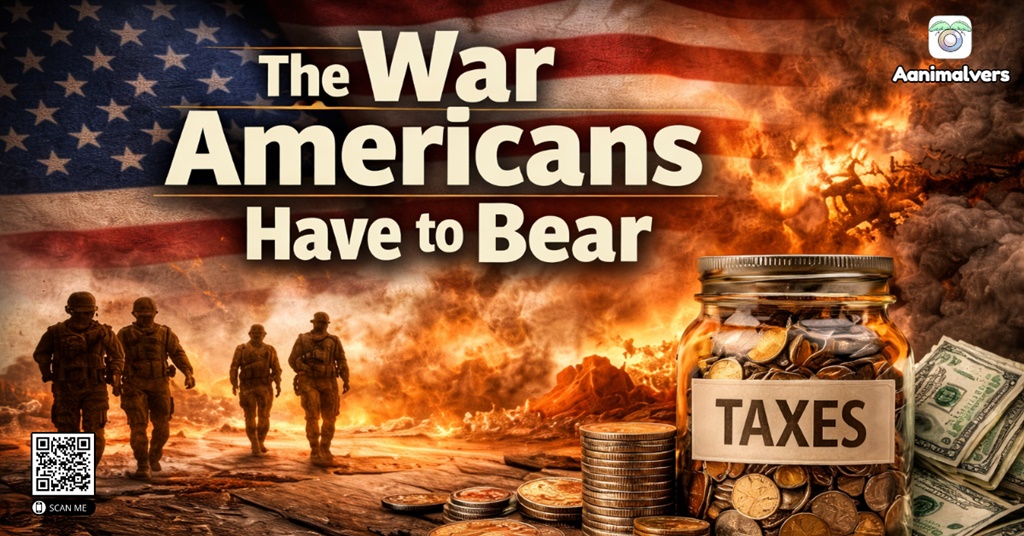
Conclusion: The War Americans Have to Bear
In an interconnected world, decisions about war extend far beyond strategic objectives. They shape economic stability, social cohesion, and the daily lives of citizens.
Whether driven by national security concerns or domestic political calculations, large-scale military conflict carries lasting consequences. The central question is not only who wins a war—but who ultimately pays for it.
More often than not, the answer is the American public.
Reference: Verster Community
Join our gang by purchasing the Animalverse Club NFT, which is the key to accessing a ton of benefits.
Animalverse SoicialFi is a web3 social media platform de signed to connect users around the world without the influence of algorithms, promoting equal access to information. The platform aims to create a decentralized environment where users can freely share and consume content and send crypto, which is fully consistent with the principles of blockchain technology. Let’s be a part of AVC ecosystem Community BlackMarketplace Groups Games Jobs Financial Blog News
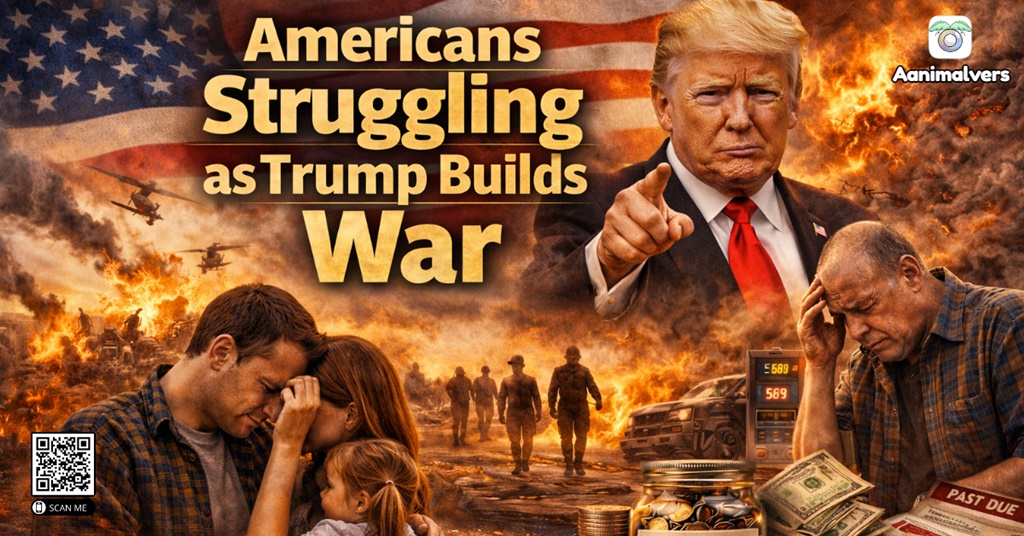
FAQ: Trump build The War but Americans Have to Bear
What does “the war Americans have to bear” mean?
It refers to the economic, social, and political burdens placed on U.S. citizens when their country engages in military conflict—especially when many may not directly support such action.
Why were tensions with Iran heightened during the Trump administration?
Tensions escalated after the U.S. withdrew from the Joint Comprehensive Plan of Action (JCPOA) and reinstated extensive sanctions on Iran.
Would American taxpayers pay for a war with Iran?
Yes. Wars are financed through federal spending, borrowing, and taxation. Over time, the financial burden falls on taxpayers.
How could war affect U.S. national debt?
Military conflicts often require deficit spending. This increases national debt and long-term interest obligations.
Could domestic programs be affected?
Potentially. Increased defense spending may lead to reduced funding for education, healthcare, infrastructure, or social programs.
How might oil prices be impacted?
Iran is a significant oil producer. Regional instability could disrupt supply and increase global oil prices, affecting fuel and transportation costs in the U.S.
Would inflation rise during a conflict?
Higher energy prices and supply chain disruptions could contribute to inflationary pressure.
How could financial markets respond?
Markets tend to react negatively to geopolitical uncertainty, potentially leading to volatility in stocks and bonds.
Who benefits politically from a hardline foreign policy?
Some political leaders may gain short-term support from voters who favor strong national security positions.
Who bears the human cost of war?
Military personnel and their families face the most direct risks, including physical and psychological impacts.
Could veterans’ care costs increase?
Yes. Long-term medical and psychological support for veterans often represents a significant, lasting expense.
Would small businesses feel the impact?
Yes. Economic slowdowns, rising fuel costs, and decreased consumer spending can hurt small businesses.
Could war lead to recession?
Prolonged instability and high costs may slow economic growth, potentially contributing to recessionary conditions.
How might public opinion influence policy?
Strong public opposition can pressure policymakers, but national security decisions are often driven by executive and congressional leadership.
Does war always strengthen a president politically?
Not necessarily. While initial support may rise, prolonged or costly conflicts can reduce approval ratings.
What are the long-term fiscal consequences?
War-related borrowing can increase debt servicing costs for decades, limiting future government flexibility.
Could global alliances be affected?
Yes. Military escalation may strain or reshape relationships with allies and international institutions.
How might domestic security change?
Heightened tensions abroad can increase concerns about retaliatory actions or cyber threats.
Are economic sanctions an alternative to war?
Sanctions are often used to apply pressure without direct military engagement, though they also carry economic consequences.
What is the core takeaway?
The central concern behind “the war Americans have to bear” is that large-scale military action carries long-lasting economic and social costs—costs that are ultimately absorbed by ordinary citizens through taxes, debt, and broader economic impact.