Bangkok is one of the world’s great food cities.
For some travelers, the Thai capital means bowls of noodles served from small street-side shops, grilled meats sizzling over charcoal, late-night meals in Chinatown, and fragrant curries prepared from recipes passed down through generations. For others, Bangkok has become a destination for ambitious tasting menus, internationally recognized chefs, exceptional Thai ingredients, and restaurants that reinterpret the country’s culinary traditions through a contemporary lens.
The beauty of dining in Bangkok is that both versions of the city exist at the same time.
You can begin your day with a simple local breakfast, eat noodles for lunch, explore a market in the afternoon, and finish the evening with a multi-course tasting menu at one of Asia’s most ambitious restaurants.
That diversity makes choosing the best restaurants in Bangkok surprisingly difficult.
There is no single restaurant that represents everything Bangkok has to offer. Thai cuisine itself contains enormous regional diversity, while the city’s restaurant scene extends far beyond Thai food. German, French, Italian, Indian, Japanese, Chinese and contemporary international restaurants have all become part of Bangkok’s modern culinary identity.
For travelers searching for the Top 5 Restaurants in Bangkok Thailand, this guide focuses on five restaurants that offer distinctive dining experiences and help illustrate the breadth of Bangkok’s contemporary restaurant scene.
Our selected restaurants are:
- Sorn
- Sühring
- Baan Tepa
- POTONG
- Le Du
This is an editorial selection rather than an official industry ranking. Michelin ratings and other distinctions mentioned throughout the article are independent recognitions and may change over time.
According to the MICHELIN Guide Thailand 2026, Bangkok’s starred restaurant scene includes two restaurants with Three MICHELIN Stars, eight with Two MICHELIN Stars, and a substantial group holding One MICHELIN Star. That depth helps explain why Bangkok continues to attract diners looking for experiences ranging from regional Thai cooking to contemporary international fine dining.
If you are wondering where to eat in Bangkok, these five restaurants provide five very different answers.
Why Bangkok Is One of Asia’s Great Food Destinations
Before looking at the five restaurants individually, it is worth understanding why Bangkok’s dining scene is so compelling.
Bangkok does not have one culinary identity.
Instead, its food culture has developed through layers of history, migration, regional influences, family traditions and international exchange. Bangkok is simultaneously a capital of Thai regional cuisine and a global metropolis.
Walk through different parts of the city and the dining landscape changes dramatically.
Yaowarat and the surrounding Chinatown districts reveal generations of Thai-Chinese culinary history. Silom combines traditional businesses, street food, international restaurants and modern fine dining. Sukhumvit contains restaurants representing cuisines from across the world. Along the Chao Phraya River, historic neighborhoods sit beside luxury hotels and contemporary restaurants.
This mixture creates something unusual.
Bangkok can satisfy diners at almost every price point.
The MICHELIN Guide’s current Bangkok selection itself stretches from inexpensive street-food establishments to luxury tasting-menu restaurants, demonstrating how broad the city’s recognized culinary landscape has become.
For international visitors, this means a trip to Bangkok can become a culinary journey rather than simply a sightseeing itinerary.
Food can be one of the primary reasons to visit.
Traditional Thai Food Meets Contemporary Bangkok
One of the most interesting developments in Bangkok has been the growing confidence of chefs working with Thai ingredients.
Rather than treating imported luxury ingredients as inherently superior, many leading Bangkok restaurants increasingly emphasize produce, seafood, herbs, rice, meat and traditional preparations originating in Thailand.
The result is not necessarily “traditional Thai food” in the conventional sense.
Instead, chefs may take inspiration from regional dishes, family recipes or historical techniques and reinterpret them using contemporary restaurant methods.
This approach is particularly visible at restaurants such as Sorn, Baan Tepa and Le Du.
Sorn explores the culinary traditions of Southern Thailand.
Baan Tepa builds its cuisine around Thai ingredients, local communities and sustainability.
Le Du focuses strongly on seasonal Thai produce interpreted through modern techniques.
Although these restaurants operate very differently, they share an important idea: Thai ingredients themselves can be the foundation of world-class contemporary dining.
Bangkok Is More Than Thai Cuisine
At the same time, a list of the top restaurants in Bangkok should not imply that Bangkok’s culinary importance comes exclusively from Thai restaurants.
The city has developed into an international dining destination.
Sühring is perhaps one of the clearest examples.
The restaurant is built around modern German cuisine rather than Thai cuisine, yet it has become deeply associated with Bangkok’s fine-dining landscape. In the MICHELIN Guide Thailand 2026, Sühring holds Three MICHELIN Stars, alongside Sorn.
This illustrates something important about Bangkok.
The city is not merely exporting Thai food to international visitors. It has also become a place where international chefs and culinary traditions can develop at an extremely high level.
How We Selected These Top 5 Restaurants in Bangkok
Creating a list called the Top 5 Restaurants in Bangkok Thailand inevitably involves judgment.
Bangkok contains far more than five restaurants worth visiting, and different diners value different things.
Some travelers want traditional Thai food.
Others want street food.
Some prioritize Michelin recognition.
Some are looking for romantic restaurants, rooftop dining, tasting menus, river views or restaurants that are easy to visit during a short Bangkok trip.
For this guide, we focused primarily on restaurants that combine several characteristics:
- A distinctive culinary identity
- Strong recognition within Bangkok’s restaurant landscape
- A dining experience that is difficult to replicate elsewhere
- Connection to Bangkok or Thailand’s evolving food culture
- Appeal to international visitors interested in destination dining
The five restaurants should therefore not be interpreted as the only excellent restaurants in Bangkok.
Instead, think of them as five compelling starting points for understanding what the city can offer at the upper end of its dining scene.
1. Sorn
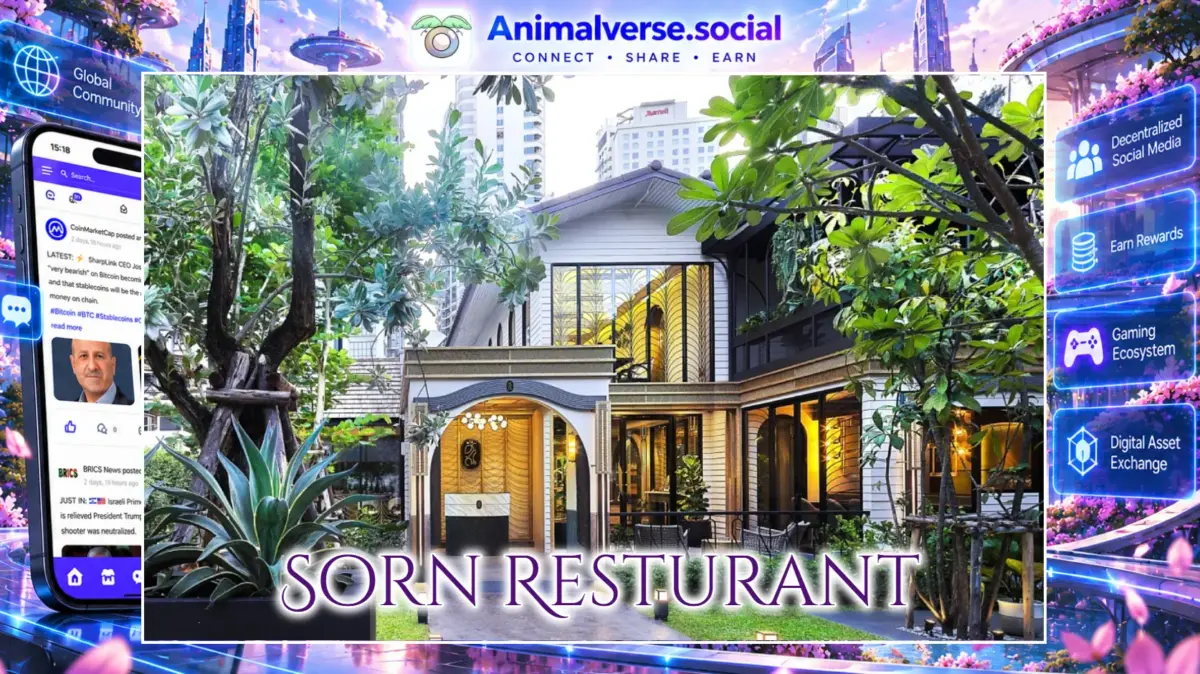
Southern Thailand Reimagined in Bangkok
For diners interested in experiencing Thai cuisine at its most ambitious, Sorn deserves serious attention.
Located at 56 Soi Sukhumvit 26 in Bangkok, Sorn specializes in Southern Thai cuisine under chef-owner Supaksorn “Ice” Jongsiri. The MICHELIN Guide Thailand 2026 lists Sorn with Three MICHELIN Stars.
That recognition is important, but it does not fully explain why Sorn is such an interesting restaurant.
The restaurant’s defining characteristic is its focus on Southern Thailand.
Southern Thai cuisine is one of the country’s most distinctive regional culinary traditions. Its flavors can be intense, aromatic, spicy and deeply connected to the geography of the peninsula.
Seafood plays an important role.
So do spices, herbs, coconut and ingredients associated with communities across Southern Thailand.
Sorn takes that regional foundation and places it within a carefully constructed fine-dining format.
The Philosophy Behind Sorn
Rather than simply reproducing familiar Southern Thai dishes in a luxurious setting, Sorn explores the region’s culinary culture through ingredients, technique and storytelling.
Michelin describes chef Supaksorn Jongsiri’s cooking as combining tradition with modernity and highlights ingredients including Tapi River prawns, Phuket lobster and Andaman squid.
This ingredient-driven approach is central to understanding the restaurant.
Southern Thailand is surrounded by rich marine environments and contains dramatically different local ecosystems. When a restaurant draws directly from those regional ingredients, the menu can become a way of exploring geography through food.
Sorn therefore works particularly well for international diners who already know Thai cuisine but want to go deeper.
Instead of encountering Thailand as a single culinary category, guests encounter the South as its own gastronomic world.
A Restaurant Rooted in Southern Thai Culture
Sorn’s identity demonstrates how regional cuisine can become the basis for contemporary fine dining without abandoning its cultural roots.
This matters because international perceptions of Thai food have historically centered on a relatively small group of famous dishes.
Pad Thai.
Tom yum.
Green curry.
Massaman curry.
Som tam.
These dishes are important, but they represent only a fraction of Thailand’s culinary diversity.
Northern Thailand has its own traditions.
Isan has its own culinary language.
Central Thailand has another.
The South has another again.
A restaurant like Sorn gives travelers an opportunity to move beyond the generalized idea of “Thai food” and encounter a specific regional perspective.
What Makes Dining at Sorn Different?
Sorn is not designed as a casual introduction to Thai food.
It is a destination restaurant.
The tasting-menu structure allows the kitchen to control the progression of flavors and textures over the course of the meal.
This can make the experience particularly attractive to serious food travelers.
Instead of ordering several independent dishes from an à la carte menu, diners follow a culinary narrative selected by the restaurant.
Ingredients may change depending on season and availability, which is another reason travelers should check current information when making reservations.
The Setting
Sorn occupies a restored villa on Sukhumvit Soi 26.
Michelin describes the restaurant as a refuge-like environment influenced partly by the forests of Southern Thailand.
That separation from the surrounding city contributes to the experience.
Sukhumvit is one of Bangkok’s busiest urban corridors, filled with hotels, shopping centers, offices, condominiums, nightlife and restaurants.
Moving from that environment into a more intimate restaurant setting creates a transition.
The meal becomes an event rather than simply another stop in the city.
Who Should Choose Sorn?
Sorn is particularly relevant for:
Travelers who want a high-end Thai dining experience.
Visitors interested in Southern Thai cuisine.
Food-focused travelers who build itineraries around restaurants.
Diners interested in regional ingredients.
Special-occasion visitors.
People who have visited Thailand before and want to explore Thai cuisine beyond its internationally familiar dishes.
It may be less suitable for travelers looking for a spontaneous meal, inexpensive dining or a short dinner.
This is a restaurant to plan around.
Location
Sorn is located at:
56 Soi Sukhumvit 26
Khlong Tan, Khlong Toei
Bangkok 10110, Thailand
The MICHELIN Guide currently lists dinner service and notes that securing a table involves a thorough reservation process.
Because opening hours, menus and booking policies can change, travelers should verify current details directly before visiting.
Why Sorn Represents Bangkok Today
Perhaps the most interesting thing about Sorn is what it says about modern Thai gastronomy.
The restaurant’s international recognition is built not on abandoning regional Thai cuisine but on exploring it more deeply.
That is a significant distinction.
Bangkok’s evolution as a global dining destination does not necessarily mean becoming more international in the conventional sense.
Sometimes it means becoming more specific.
More regional.
More ingredient-focused.
More interested in culinary heritage.
For visitors searching for the best restaurants in Bangkok Thailand, Sorn represents this movement particularly clearly.
Contact information sorn resturant
Website: https://sornfinesouthern.com/
Facebook: https://www.facebook.com/SornFineSouthern/
Animalverse: –
Email: [email protected]
Tell: +6699-081-1119
Google map: https://maps.app.goo.gl/zprv5oTVLs2Amn1CA
2. Sühring
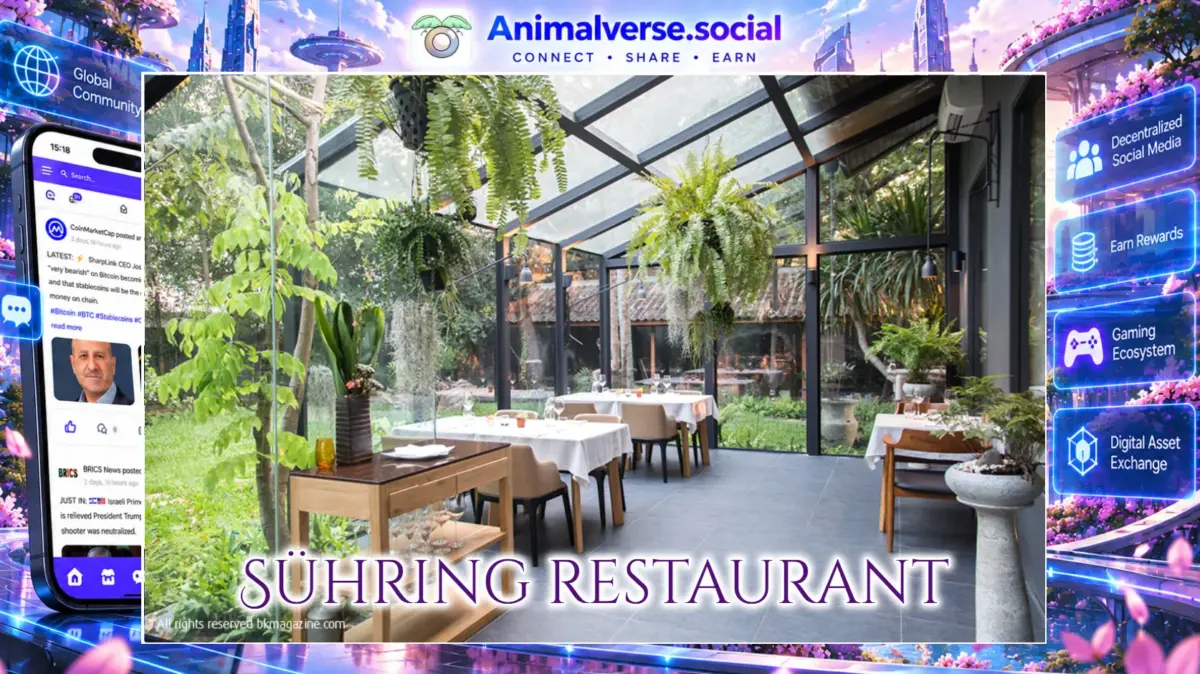
Modern German Cuisine in the Heart of Bangkok
If Sorn demonstrates the depth of Thailand’s regional culinary traditions, Sühring demonstrates Bangkok’s international character.
Sühring is a modern German restaurant led by twin chefs Thomas and Mathias Sühring.
Located in a restored villa on Yen Akat Soi 3, the restaurant has operated in Bangkok since 2016. Its philosophy brings together German culinary traditions, childhood memories, family recipes and contemporary technique.
In the MICHELIN Guide Thailand 2026, Sühring holds Three MICHELIN Stars.
For visitors researching the best restaurants in Bangkok, Sühring provides an important reminder that Bangkok’s food scene extends far beyond Thai cuisine.
The Sühring Brothers
The restaurant’s identity is closely connected to the personal history of Thomas and Mathias Sühring.
Rather than creating generic European fine dining, the brothers draw inspiration from German food traditions and their own memories.
The restaurant describes its approach as a meeting point between German tradition and modern artistry.
Family recipes and childhood experiences become starting points for contemporary dishes.
That personal connection helps distinguish Sühring from restaurants that simply apply luxury ingredients and technical presentation to European cuisine.
There is a story behind the food.
Modern German Cuisine
For many international travelers, “German food” may initially suggest sausages, bread, potatoes, schnitzel or hearty meat dishes.
Germany’s culinary traditions are considerably broader than those stereotypes.
At Sühring, traditional methods such as fermentation, pickling and curing are incorporated into a modern tasting-menu context. Michelin specifically notes the use of these German techniques in the restaurant’s cooking.
The result is not an attempt to disguise German cuisine.
Instead, the restaurant elevates and reinterprets it.
This makes Sühring an especially interesting choice for travelers who have already experienced Bangkok’s Thai fine-dining scene and want to understand why the city has also become a major destination for international restaurants.
Dining Inside a Villa
The physical environment is an important part of Sühring.
The restaurant occupies a restored 1970s villa surrounded by greenery.
According to the restaurant, guests can experience several different dining environments, including the Dining Room, Kitchen, Glass House and a private Living Room.
Each creates a somewhat different atmosphere.
The Dining Room emphasizes comfort.
The Kitchen provides a closer connection to the culinary team.
The Glass House brings diners closer to the garden.
The Living Room offers privacy for smaller groups.
This residential setting complements the restaurant’s emphasis on memory and hospitality.
Rather than feeling like a conventional hotel restaurant, Sühring is designed around the idea of entering a home.
Wine and the Broader Experience
Wine is also a significant part of the Sühring experience.
The restaurant’s cellar focuses strongly on cool-climate European wines, particularly Germany and France, and the brothers maintain direct relationships with a number of producers.
For diners interested in pairing food and wine, this adds another layer to the experience.
Again, the important word is coherence.
The food, setting, wine program and hospitality all point toward the same identity.
Who Should Choose Sühring?
Sühring is especially suitable for:
Diners interested in European fine dining.
Travelers who want to experience one of Bangkok’s internationally recognized restaurants.
Couples looking for a sophisticated dinner.
Wine enthusiasts.
Guests interested in tasting-menu experiences.
Visitors who want to see how an international culinary tradition can thrive in Bangkok.
It is also an excellent counterpoint to Thai-focused restaurants.
A traveler could visit both Sorn and Sühring during the same Bangkok trip and experience two entirely different expressions of high-end dining.
Location and Opening
Sühring is located at:
10 Yen Akat Soi 3
Chong Nonsi, Yan Nawa
Bangkok 10120, Thailand
The restaurant’s current reservation information lists lunch from Thursday through Sunday and dinner from Wednesday through Sunday, with Monday and Tuesday closed. Reservations are strongly recommended.
Travelers should confirm current service times before visiting.
Why Sühring Belongs in a Bangkok Restaurant Guide
Some visitors might ask why a German restaurant should appear in an article about the Top 5 Restaurants in Bangkok Thailand.
The answer is simple.
Because Bangkok is an international city.
A serious guide to its restaurant scene should reflect that.
Bangkok’s culinary identity is no longer defined exclusively by the origin of the cuisine being served.
It is also defined by the quality, creativity and diversity of restaurants operating within the city.
Sühring demonstrates how Bangkok has become a place where chefs can build globally significant restaurants while maintaining a very specific cultural identity.
Contact information Sühring Resturant
Website: https://restaurantsuhring.com/
Facebook: https://www.facebook.com/suhringtwins/
Animalverse: –
Email: [email protected]
Tell: +6602 107 2777
Google map: https://maps.app.goo.gl/UVSEXimiCbSM2UGG9
3. Baan Tepa
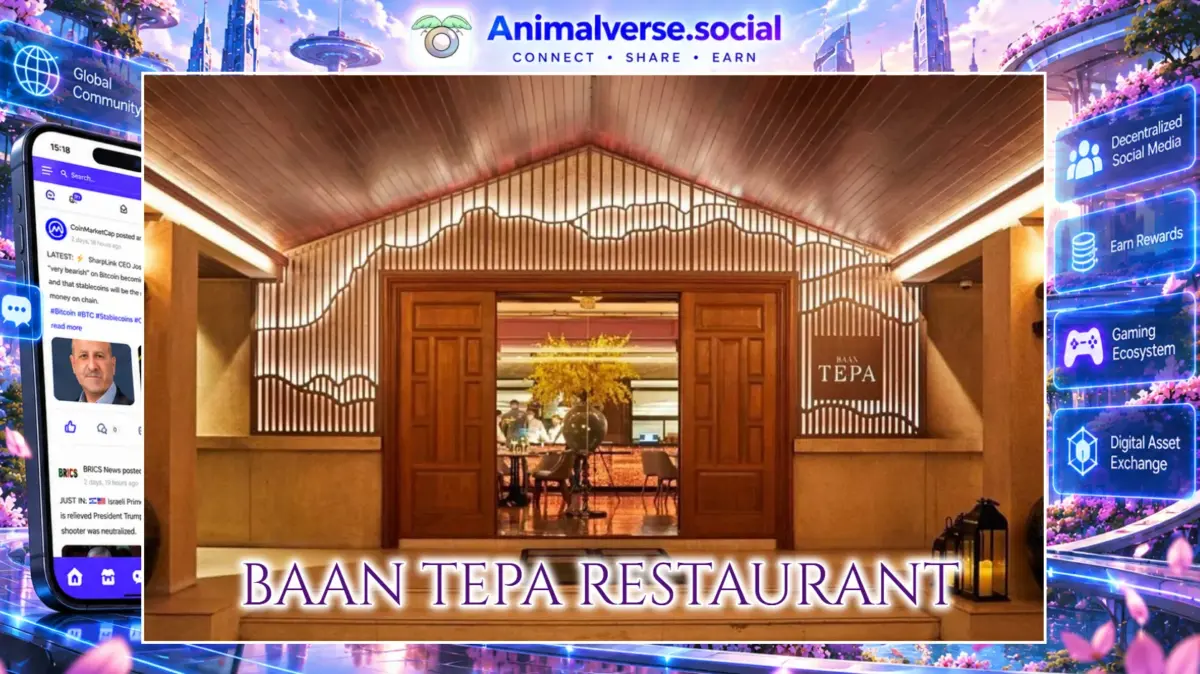
Contemporary Thai Cuisine Built Around Place
Baan Tepa offers another interpretation of modern Thai dining.
Located on Ramkhamhaeng Road, the restaurant occupies a family property and approaches Thai cuisine through ingredients, communities, sustainability and culinary storytelling.
The MICHELIN Guide Thailand 2026 lists Baan Tepa with Two MICHELIN Stars, while the restaurant is also part of Michelin’s Green Star community.
Those distinctions provide useful context, but Baan Tepa is particularly interesting because of the philosophy connecting the restaurant to Thailand’s agricultural and culinary ecosystems.
What Does “Baan Tepa” Mean?
The restaurant explains that “Baan” means home in Thai, while “Tepa” comes from the Debhakam family name.
That makes the name itself a description of the restaurant’s identity: a family home transformed into a culinary space.
This concept is more than branding.
The restaurant’s physical environment, sourcing philosophy and menu development are interconnected.
Baan Tepa describes its cuisine as “Creative Thai cuisine,” but its broader approach examines the origin of ingredients and their relationships with producers and communities.
Ingredients as Storytelling
Modern fine dining often uses the word “local.”
But local sourcing can mean many different things.
At Baan Tepa, the restaurant explicitly connects its menu to local and regional ingredients and collaboration with communities.
Its own description emphasizes the revival of indigenous varieties of vegetables and crops as well as attention to materials and resources throughout the restaurant.
This gives the meal a strong sense of place.
Instead of treating ingredients merely as components of a dish, the restaurant asks where they come from and what they represent.
For travelers, this can turn dinner into an introduction to parts of Thailand they may never physically visit.
A vegetable can represent a farming community.
A seafood ingredient can point toward a particular coastline.
A rice variety can carry agricultural history.
A preparation method can reveal regional culinary knowledge.
The Tasting Experience
Baan Tepa currently describes its main dining experience as an interactive seven-course menu based on local and regional ingredients.
The exact dishes evolve.
That is important.
Restaurants operating with seasonal ingredients should not be judged by a static list of signature dishes alone. The underlying philosophy is often more durable than individual menu items.
Examples listed by Baan Tepa include preparations involving grey pomfret, river prawn, Thai legumes and desserts drawing on Thai ingredients and techniques.
These dishes illustrate the restaurant’s interest in looking at Thai food from multiple perspectives.
Sustainability at Baan Tepa
Sustainability has become an increasingly common term in restaurant marketing.
At Baan Tepa, however, it forms a visible part of the restaurant’s stated philosophy.
The restaurant discusses reducing waste, working with local communities, exploring indigenous ingredients and reconsidering how resources are used across the property.
Its recognition within Michelin’s Green Star community adds external context to that commitment.
For environmentally conscious diners, this may be an important reason to choose Baan Tepa.
But sustainability here is also culinary.
Preserving ingredients, varieties and food knowledge can contribute to maintaining culinary diversity.
That makes the restaurant interesting not just as a luxury dining destination but as part of a broader conversation about the future of Thai food.
A Different Side of Bangkok
Baan Tepa also gives visitors a reason to move beyond Bangkok’s most familiar tourist dining areas.
Many first-time visitors concentrate around Sukhumvit, Silom, Sathorn, the riverside and the historic center.
Baan Tepa is located at 561 Ramkhamhaeng Road in Bang Kapi.
The location makes the restaurant feel more like a destination.
You are not simply walking downstairs from a major tourist hotel.
You are traveling specifically for the experience.
For culinary travelers, that can make the evening more memorable.
Who Should Choose Baan Tepa?
Baan Tepa is particularly appropriate for:
Diners interested in contemporary Thai cuisine.
Travelers curious about local ingredients and producers.
Visitors interested in sustainability.
People who enjoy restaurants with strong storytelling.
Special-occasion diners.
Travelers who want to explore Bangkok beyond the most heavily visited central neighborhoods.
Practical Information
Baan Tepa is located at:
561 Ramkhamhaeng Road
Bang Kapi
Bangkok 10240, Thailand
Its official information currently lists dinner Wednesday through Sunday, with the restaurant closed Monday and Tuesday. The restaurant also recommends advance reservations.
The restaurant’s published menu and pricing can change, so visitors should check the current menu when booking.
Why Baan Tepa Is Important to Bangkok’s Dining Scene
Baan Tepa illustrates a broader transformation in contemporary Thai restaurants.
Luxury is increasingly being defined by knowledge and provenance rather than imported ingredients alone.
Where was something grown?
Who produced it?
What variety is it?
What community does it come from?
Can traditional agricultural knowledge be preserved?
Can a restaurant reduce waste without compromising the dining experience?
These questions increasingly influence modern gastronomy.
Baan Tepa puts them near the center of the meal.
That makes it one of the most conceptually interesting choices for travelers asking where to eat in Bangkok.
Contact information Baan Tepa resturant
Website: https://baantepabkk.com/
Facebook: https://www.facebook.com/baantepabkk/?locale=th_TH
Animalverse: –
Email: [email protected]
Tell: +66098 696 9074
Google map: https://maps.app.goo.gl/xkEUXk7tRcVYDpzEA
4. POTONG
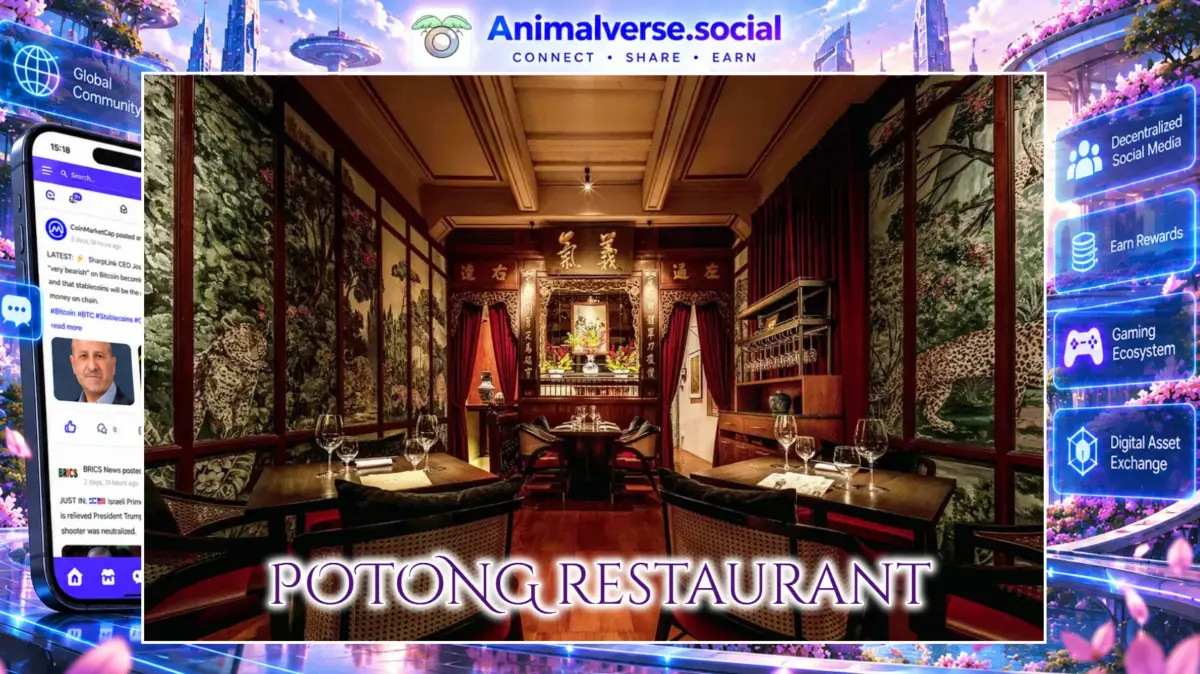
Thai-Chinese History Meets Contemporary Fine Dining
Bangkok’s Chinatown is one of the most fascinating culinary neighborhoods in the city.
During the evening, Yaowarat Road and its surrounding streets become filled with restaurants, market activity, street-food vendors and crowds moving between old businesses and new establishments.
Within this historic environment sits POTONG.
Led by chef Pichaya “Pam” Soontornyanakij, POTONG is a progressive Thai-Chinese fine-dining restaurant located at 422 Vanich 1 Road in Samphanthawong.
The MICHELIN Guide Thailand 2026 lists POTONG with One MICHELIN Star.
But POTONG’s attraction goes well beyond the star.
The restaurant brings together family history, architecture, Thai-Chinese identity and contemporary gastronomy.
A Restaurant Inside Family History
One of POTONG’s defining features is its building.
The restaurant occupies a historic Sino-Portuguese structure that previously housed the chef’s family Chinese pharmacy.
This gives POTONG an unusually strong connection between place and cuisine.
Many restaurants attempt to create a story around a concept.
POTONG begins with a real family story.
The building existed before the restaurant.
The family’s relationship with the space existed before the tasting menu.
The surrounding Chinatown community existed long before Bangkok became a global fine-dining destination.
This historical depth gives the restaurant a framework for exploring identity.
Understanding Thai-Chinese Cuisine
Thai-Chinese culture has profoundly influenced Bangkok.
Generations of Chinese migration contributed to the development of commerce, neighborhoods, religious institutions and food traditions across the city.
Bangkok’s Chinatown is one of the most visible expressions of this history.
But Thai-Chinese food cannot be reduced to a single category.
Over generations, culinary traditions evolve.
Ingredients change.
Techniques adapt.
Local tastes influence inherited recipes.
POTONG explores that intersection through a contemporary tasting-menu format.
Michelin describes the restaurant as bringing together traditional and novel elements while using Chinese ingredients within a progressive menu.
For visitors, this provides a different perspective on Bangkok.
Thai culture has always been shaped by exchange.
POTONG turns part of that history into a dining experience.
The Building as Part of the Meal
At POTONG, architecture is not merely decoration.
The restaurant extends through multiple levels of the heritage building, creating a journey through the space.
Michelin notes the progression from the ground-floor bar to a rooftop area, with rustic and contemporary design elements appearing throughout the property.
This makes the experience more theatrical than a conventional dining room.
The building itself becomes part of the narrative.
For travelers who enjoy restaurants where design, history and food interact, POTONG has considerable appeal.
Chef Pam
Chef Pichaya “Pam” Soontornyanakij is central to the restaurant’s identity.
Her cuisine uses her Thai-Chinese heritage as a starting point rather than simply adopting a generic international fine-dining format.
This matters because some of Bangkok’s most interesting restaurants today are deeply personal.
Their menus are not interchangeable.
Move the restaurant to another city and something would be lost.
POTONG belongs to Chinatown.
The family building matters.
The neighborhood matters.
The chef’s background matters.
That specificity is one of its strengths.
Chinatown Before or After Dinner
POTONG also offers an advantage for visitors: its location can become part of a broader evening.
Bangkok’s Chinatown rewards exploration.
Visitors can arrive early and walk through the surrounding streets, temples, markets and traditional commercial areas.
After dinner, Yaowarat’s night-time energy provides a dramatic contrast with the controlled environment of a fine-dining restaurant.
This combination can create one of Bangkok’s most memorable evenings.
Rather than taking a taxi directly from a hotel to a restaurant and returning immediately afterward, travelers can experience the neighborhood around the meal.
Who Should Choose POTONG?
POTONG is especially attractive for:
Travelers interested in Thai-Chinese culture.
Visitors exploring Bangkok Chinatown.
Diners who enjoy storytelling-driven tasting menus.
Architecture and design enthusiasts.
People interested in chef-led contemporary restaurants.
Couples and special-occasion diners.
Travelers looking for an experience combining food and neighborhood exploration.
Location
POTONG is located at:
422 Vanich 1 Road
Samphanthawong
Bangkok 10100, Thailand
Michelin currently categorizes its cuisine as innovative and describes the restaurant as a Thai-Chinese fine-dining concept.
As with the other restaurants in this guide, reservations, menus and operating hours should be checked directly before visiting.
Why POTONG Stands Out
POTONG demonstrates that innovation does not always require leaving history behind.
In fact, history can become the source of innovation.
A family pharmacy becomes a restaurant.
Thai-Chinese heritage becomes a contemporary tasting menu.
An old building becomes a stage for a modern culinary experience.
And Bangkok’s Chinatown becomes not simply the background but an essential part of the restaurant’s identity.
For visitors searching for top restaurants in Bangkok, POTONG offers something that would be difficult to reproduce anywhere else.
Contact information POTONG resturant
Website: https://www.restaurantpotong.com/
Facebook: https://www.facebook.com/potong.restaurant/
Animalverse: –
Email: [email protected]
Tell: +6682 979 3950
Google map: https://maps.app.goo.gl/fZXz3LHWstVYCiqM7
5. Le Du
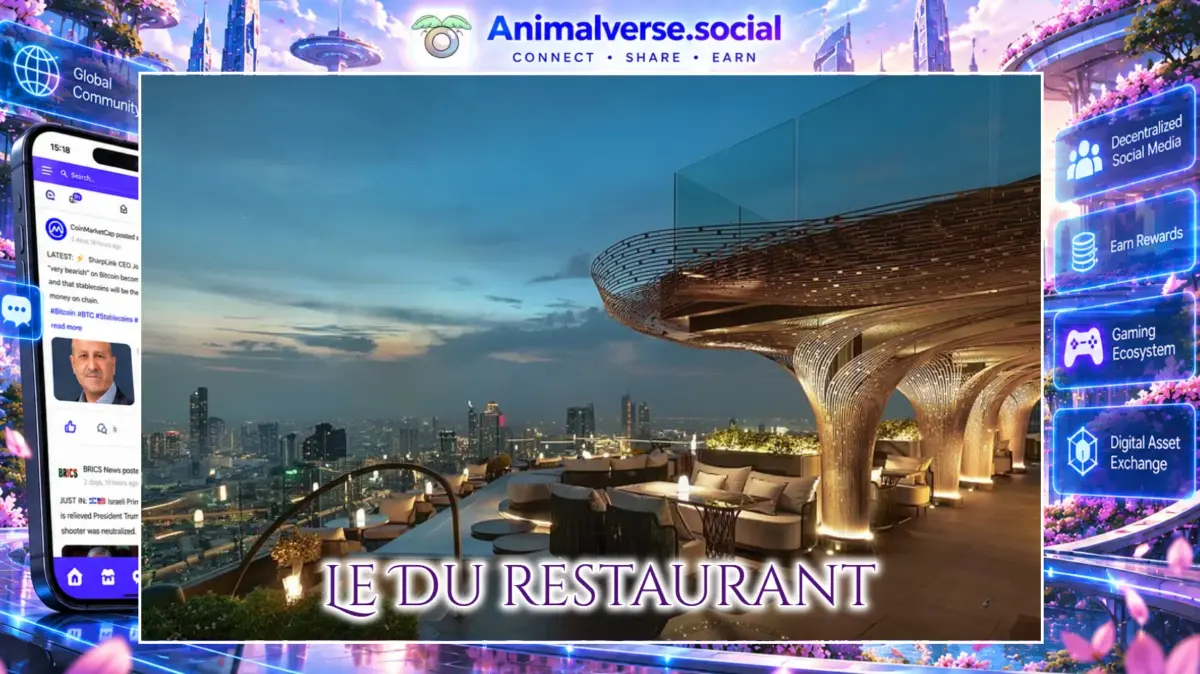
Seasonal Thai Ingredients Through a Modern Lens
Le Du completes our selection with a different interpretation of modern Thai cuisine.
Located in Silom, Le Du describes itself as a modern Thai-inspired restaurant built around seasonal produce from Thailand.
The restaurant is led by chef Thitid “Ton” Tassanakajohn and appears in the MICHELIN Guide Thailand 2026 with One MICHELIN Star.
Le Du has played an important role in demonstrating how Thai ingredients can form the foundation of contemporary fine dining.
What Does “Le Du” Mean?
The name sometimes leads international visitors to assume the restaurant is French.
It is not.
Le Du comes from the Thai word “ฤดู,” meaning season.
The name reflects the restaurant’s emphasis on seasonal produce.
This concept provides a useful introduction to its philosophy.
Instead of building a menu around imported luxury ingredients, Le Du emphasizes agricultural products from Thailand and applies contemporary culinary techniques to them.
The restaurant explicitly states its belief in the quality of Thai ingredients and its commitment to sourcing from local farmers.
Celebrating Thai Produce
Thailand possesses enormous agricultural diversity.
Rice alone exists in numerous varieties.
Tropical fruits change throughout the year.
Seafood varies by region.
Herbs, vegetables and spices differ across local ecosystems.
Yet historically, high-end restaurants throughout Asia often treated imported European or Japanese ingredients as symbols of luxury.
Restaurants such as Le Du helped challenge that assumption.
A Thai ingredient does not need to imitate an imported ingredient to become prestigious.
Its origin can be its strength.
By combining local produce with modern technique, Le Du positions Thai agriculture at the center of contemporary dining.
Contemporary Rather Than Traditional
Visitors should understand that Le Du is not intended to reproduce classic Thai dishes exactly as they might appear in a family kitchen.
The restaurant is contemporary.
The menu uses Thai culinary culture as inspiration while allowing the kitchen to reinterpret flavors, ingredients and presentations.
Michelin describes chef Ton’s approach as bringing creative flair to Thai cuisine through a menu that changes with the seasons.
This makes Le Du useful for diners who want recognizable connections to Thai food while also wanting a modern tasting-menu experience.
The Importance of Seasonality
Seasonality is familiar in European and Japanese fine dining, but it has equally interesting implications in Thailand.
Thailand’s tropical climate creates agricultural cycles different from temperate countries.
Different fruits peak at different times.
Seafood availability changes.
Rain affects produce.
Regional harvests create opportunities for chefs.
By building a restaurant identity around “season,” Le Du encourages diners to consider Thai ingredients as dynamic rather than static.
A restaurant menu does not need to remain identical throughout the year.
The changing ingredient can be part of the experience.
The Silom Location
Le Du is located at 399/3 Silom 7 Alley in Bang Rak.
This makes it relatively convenient for travelers staying in central Bangkok.
Silom is one of the city’s major commercial and dining districts, with access to both BTS and MRT networks in the broader area.
The neighborhood contains everything from offices and hotels to local restaurants, bars and fine dining.
For travelers with limited time in Bangkok, Le Du’s central location can make it easier to integrate into an itinerary than restaurants located farther from the major visitor districts.
The Dining Format
Le Du’s official reservation information currently offers four-course and six-course tasting experiences.
The restaurant explains that its menus are developed around seasonal produce grown in Thailand.
This structured format allows diners to experience a sequence of dishes rather than choosing independently from a large menu.
Wine and other beverage pairings are also available.
Because menu formats and prices can change, visitors should check the official reservation information when planning their meal.
Who Should Choose Le Du?
Le Du is a strong choice for:
First-time visitors interested in modern Thai cuisine.
Travelers staying around Silom, Sathorn or central Bangkok.
Diners interested in seasonal Thai ingredients.
Couples and special-occasion diners.
Travelers who enjoy tasting menus but want a relatively accessible central location.
People interested in the evolution of modern Thai restaurants.
Why Le Du Remains Relevant
Le Du’s core idea is simple but important.
Thai ingredients deserve to be celebrated.
Today, that philosophy may sound familiar because many contemporary Thai restaurants emphasize local sourcing.
But the broader movement toward treating Thai agricultural products as premium culinary ingredients represents a significant change in how modern Thai fine dining presents itself.
Le Du remains one of the restaurants strongly associated with that idea.
For anyone researching best restaurants in Bangkok, it provides a useful perspective on how modern chefs interpret Thai cuisine without abandoning the ingredients that give it a sense of place.
Contact information Le Du resturant
Website: https://www.ledubkk.com/
Facebook: https://www.facebook.com/Ledurestaurant/
Animalverse: –
Email: [email protected]
Tell: +6692 919 9969
Google map: https://maps.app.goo.gl/8Uv4JwffTTVwesiPA
Comparing the Top 5 Restaurants in Bangkok Thailand
Choosing among these restaurants depends less on identifying a universal “best” and more on understanding what type of experience you want.
Sorn
Cuisine: Southern Thai
Area: Sukhumvit 26
MICHELIN Guide Thailand 2026: Three Stars
Best suited to: Travelers seeking an ambitious exploration of Southern Thai cuisine.
Sorn places regional Thai identity at the center of a highly structured fine-dining experience.
Sühring
Cuisine: Modern German
Area: Yen Akat / Yan Nawa
MICHELIN Guide Thailand 2026: Three Stars
Best suited to: Diners interested in European cuisine, wine and intimate villa dining.
Sühring demonstrates the international depth of Bangkok’s restaurant scene.
Baan Tepa
Cuisine: Creative contemporary Thai
Area: Ramkhamhaeng / Bang Kapi
MICHELIN Guide Thailand 2026: Two Stars; Green Star community
Best suited to: Diners interested in sustainability, Thai ingredients and food systems.
Baan Tepa connects the dining room to producers, agriculture and communities.
POTONG
Cuisine: Progressive Thai-Chinese
Area: Chinatown / Samphanthawong
MICHELIN Guide Thailand 2026: One Star
Best suited to: Travelers who value history, architecture and culinary storytelling.
POTONG transforms a family building and Thai-Chinese heritage into an immersive contemporary experience.
Le Du
Cuisine: Contemporary Thai
Area: Silom
MICHELIN Guide Thailand 2026: One Star
Best suited to: Diners interested in seasonal Thai produce and modern interpretations of Thai cuisine.
Le Du places Thailand’s agricultural ingredients at the center of its culinary philosophy.
Which Bangkok Restaurant Should You Choose?
Rather than thinking only in terms of ranking, it is more useful to match the restaurant to your interests.
If your priority is Southern Thai cuisine, Sorn provides the clearest regional focus among these five.
If you want international fine dining, Sühring offers a distinctly German culinary identity within Bangkok.
If you care about sustainability and local food systems, Baan Tepa places those ideas at the center of its philosophy.
If you want Thai-Chinese heritage and Chinatown atmosphere, POTONG connects its menu directly with its historic surroundings.
If you want modern Thai cuisine in a central location, Le Du combines seasonal Thai ingredients with contemporary technique in Silom.
There is therefore no need for every traveler to make the same choice.
The diversity is precisely what makes Bangkok interesting.
Best Restaurants in Bangkok for First-Time Visitors
A first trip to Bangkok presents a difficult problem: there is simply too much to eat.
Trying to experience every famous restaurant is neither realistic nor necessary.
A better strategy is to combine different levels of dining.
Have at least one street-food meal.
Visit a traditional local restaurant.
Explore a market.
Eat something in Chinatown.
Try regional Thai cuisine.
And, if your budget allows, reserve one contemporary fine-dining experience.
This approach provides a much broader understanding of Bangkok than eating exclusively at luxury restaurants.
The five restaurants in this guide should therefore complement Bangkok’s street food and traditional restaurants rather than replace them.
Bangkok’s culinary identity depends on all of these layers existing together.
Where to Eat in Bangkok for Thai Food
Travelers searching where to eat in Bangkok often begin with Thai cuisine.
Among our five selections, Sorn, Baan Tepa and Le Du provide three very different perspectives.
Sorn focuses on Southern Thailand.
Baan Tepa examines Thai ingredients and local communities through creative contemporary cuisine.
Le Du uses seasonal Thai produce through a modern framework.
POTONG adds another dimension through Thai-Chinese heritage.
Eating at several of these restaurants would demonstrate that “Thai fine dining” is not a single style.
It can be regional.
Historical.
Seasonal.
Agricultural.
Personal.
Cross-cultural.
This diversity mirrors Thailand itself.
Bangkok Restaurants for Special Occasions
Bangkok is an excellent city for celebrations.
Anniversaries, birthdays, proposals, honeymoons and important business dinners can all become opportunities to experience the city’s higher-end restaurants.
The key is choosing the atmosphere that matches the occasion.
Sühring’s villa environment can appeal to diners seeking intimacy.
Sorn suits guests who want the food itself to be the central event.
POTONG provides architectural drama and storytelling.
Baan Tepa creates a destination experience away from Bangkok’s most obvious tourist corridors.
Le Du offers contemporary Thai dining in a central location.
For any important occasion, inform the restaurant about relevant requirements when booking and confirm its current policies.
Fine Dining vs Street Food in Bangkok
Visitors sometimes frame Bangkok dining as a choice between street food and fine dining.
That is the wrong way to think about the city.
You should experience both if possible.
Street food reveals speed, specialization and everyday eating culture.
A vendor may spend decades preparing one particular dish.
A noodle shop may refine a broth over generations.
A family restaurant may preserve recipes that never appear in luxury dining rooms.
Fine dining provides something different.
It gives chefs time and structure to investigate ingredients, presentation, historical research, sourcing and extended culinary narratives.
Neither category invalidates the other.
Together, they explain why Bangkok is such an extraordinary food destination.
How Much Should You Budget for Restaurants in Bangkok?
Bangkok accommodates an unusually wide range of dining budgets.
At one end, excellent food can still be found at inexpensive local establishments.
At the other, multi-course tasting menus at internationally recognized restaurants can cost several thousand baht per person before beverages, service charges and taxes.
Among the restaurants covered here, visitors should expect premium pricing.
For example, Le Du’s official reservation page currently lists tasting experiences at THB 4,500++ and THB 5,500++, while Baan Tepa’s official site lists its seven-course menu at THB 6,200++ at the time of writing.
These figures should be treated as snapshots rather than permanent prices.
Menus change.
Taxes and service charges matter.
Wine pairings can significantly increase the final bill.
Special menus may carry different pricing.
Always check the restaurant’s current booking page before making travel plans.
Do You Need Reservations at Bangkok’s Best Restaurants?
For high-profile restaurants, advance planning is strongly recommended.
Some of Bangkok’s most sought-after dining rooms have limited seating, and availability can disappear quickly.
Sühring explicitly recommends reservations and notes that weekend seating can be particularly desirable.
Baan Tepa operates scheduled dinner seatings and requires reservations for its tasting experience.
Sorn is also known for a particularly involved reservation process, which Michelin itself references in its restaurant description.
If a restaurant is one of the primary reasons for your trip, book it before finalizing less important parts of your itinerary.
Do not assume you can walk in.
Understanding “++” Pricing in Bangkok
International visitors may notice restaurant prices written with “++” after the number.
This generally indicates that service charge and applicable tax are added to the listed price.
For example, Baan Tepa’s official information states that its published menu price excludes a 10% service charge, and its FAQ also specifies VAT in addition to the listed menu price.
Le Du similarly states that its listed prices are subject to service charge and VAT.
Therefore, when comparing restaurant prices, look at the final amount rather than the headline menu price alone.
Beverages and pairings can also materially increase the total cost.
What to Wear to Fine-Dining Restaurants in Bangkok
Bangkok is hot and humid for much of the year, but high-end restaurants may still expect guests to dress appropriately.
Smart casual is a safe starting point for many fine-dining venues, although individual policies vary.
Sühring currently specifies smart casual and asks male guests to wear trousers and appropriate footwear.
Baan Tepa also lists a smart-casual dress code and asks guests to avoid shorts, sleeveless tops and flip-flops.
Always verify the policy of the specific restaurant before visiting.
Bangkok traffic should also influence your planning.
Leave more time than you think you need.
Arriving late for a tightly timed tasting menu can disrupt both your experience and the restaurant’s service.
Exploring Bangkok Through Its Restaurants
One of the best ways to understand Bangkok is to treat restaurants as gateways into neighborhoods.
Sorn introduces visitors to a quieter side of Sukhumvit 26.
Sühring draws diners toward the residential atmosphere of Yen Akat.
Baan Tepa provides a reason to explore beyond Bangkok’s standard tourist dining zones.
POTONG places visitors directly into the historical fabric of Chinatown.
Le Du sits within the energetic commercial district of Silom.
Instead of viewing the restaurant as an isolated destination, spend time in the surrounding neighborhood.
Walk.
Observe.
Visit a local café.
Explore a market.
Look at the architecture.
The meal will make more sense when placed within the city around it.
Why Thai Ingredients Matter
A recurring theme across several of the best restaurants in Bangkok Thailand is renewed confidence in Thai ingredients.
This development is significant.
Thailand produces extraordinary seafood, fruit, herbs, rice, vegetables and livestock.
Its geography stretches from mountainous northern regions to tropical southern coastlines.
Different climates create different agricultural products.
Different ethnic communities contribute different culinary knowledge.
Different provinces preserve different recipes.
When contemporary restaurants investigate these resources seriously, they can create menus that are simultaneously modern and deeply connected to Thailand.
Sorn demonstrates this through Southern Thai ingredients.
Baan Tepa connects ingredients to producers, communities and sustainability.
Le Du emphasizes seasonal Thai agricultural products.
POTONG examines ingredients through a Thai-Chinese cultural framework.
These restaurants differ considerably, but they share an interest in identity.
The Rise of Destination Dining in Bangkok
There was a time when many travelers visited Bangkok primarily for sightseeing, shopping or nightlife and treated restaurants as secondary considerations.
That relationship has changed.
For culinary travelers, restaurants can now determine the itinerary.
A visitor may choose travel dates based on reservation availability.
Hotels may be selected according to proximity to restaurants.
Trips may be extended to accommodate particular dining experiences.
This phenomenon is sometimes described as destination dining.
Bangkok is particularly suited to it because the city combines internationally recognized restaurants with a huge ecosystem of casual dining.
A traveler can spend heavily on one tasting menu and then eat exceptionally well the next day at a modest neighborhood restaurant.
The contrast is part of the attraction.
Beyond the Top 5: Bangkok Has Much More to Offer
Any article limited to five restaurants necessarily leaves out many important names.
The MICHELIN Guide Thailand 2026 alone lists numerous starred restaurants across Bangkok, including Chef’s Table, Côte by Mauro Colagreco, Gaa, INDDEE, Anne-Sophie Pic at Le Normandie, Mezzaluna and R-Haan among its Two-Star selection. Its One-Star Bangkok list includes restaurants such as 80/20, Aksorn, Blue by Alain Ducasse, Gaggan, GOAT, Haoma, Jay Fai, Maison Dunand, Mia, Nahm, Nusara, Samrub Samrub Thai and others.
This is why a “Top 5” list should be treated as a curated introduction rather than an exhaustive judgment.
Bangkok rewards repeat visits.
The more you explore, the more difficult it becomes to summarize the city with a short list.
And that is a good thing.
How to Build a Food-Focused Bangkok Itinerary
If food is one of the main reasons for your visit, avoid scheduling too many major restaurants back-to-back.
Tasting menus can be long.
They can also be intense.
After a multi-course dinner, you may not want another elaborate meal the following afternoon.
Instead, alternate.
One day might include a simple breakfast, sightseeing, a local lunch and a major tasting-menu dinner.
The next might focus entirely on street food and markets.
Another could involve Chinatown.
Another could explore a different neighborhood.
This creates variety and prevents dining fatigue.
It also gives you a more representative view of Bangkok.
Bangkok as a Global Restaurant City
What ultimately makes Bangkok special is not any individual award.
It is the coexistence of culinary worlds.
A Three-MICHELIN-Star German restaurant can operate in the same city as a Three-MICHELIN-Star restaurant dedicated to Southern Thai cuisine.
A historic Thai-Chinese family building can become a contemporary tasting-menu restaurant.
A family home can become a restaurant investigating Thai agriculture and sustainability.
A modern restaurant in Silom can build its identity around the seasons of Thailand.
Meanwhile, thousands of casual restaurants, food stalls and neighborhood specialists continue feeding the city every day.
Bangkok’s restaurant culture is therefore both local and international.
Traditional and experimental.
Affordable and luxurious.
Historic and constantly changing.
That tension is what makes it exciting.
Final Thoughts: Top 5 Restaurants in Bangkok Thailand
Choosing only five restaurants from Bangkok is impossible without leaving out excellent places.
But for travelers looking for a starting point, these five restaurants illustrate the remarkable range of experiences available in the Thai capital.
Sorn explores Southern Thai cuisine through ingredients, regional identity and contemporary fine dining.
Sühring brings modern German cuisine, family memories and European technique into an intimate Bangkok villa.
Baan Tepa connects creative Thai cuisine with sustainability, local communities and the origins of ingredients.
POTONG transforms Thai-Chinese family history and a heritage Chinatown building into an immersive contemporary restaurant.
Le Du celebrates seasonal Thai produce through a modern culinary perspective.
Together, they demonstrate why searching for the best restaurants in Bangkok does not produce a single answer.
Bangkok is too diverse for that.
The city invites diners to explore.
Try Southern Thai food.
Discover contemporary Thai cooking.
Spend an evening in Chinatown.
Experience an international tasting menu.
Eat from a street vendor.
Visit a family restaurant.
Learn where ingredients come from.
Then return and do it all again.
For anyone wondering where to eat in Bangkok, the real answer is that the city deserves more than one meal.
Bangkok’s restaurant scene is a journey through Thailand’s regions, communities, history and rapidly evolving contemporary culture.
And whether your first reservation is at Sorn, Sühring, Baan Tepa, POTONG or Le Du, it can be the beginning of a much larger exploration of one of Asia’s most dynamic food cities.
Join our gang by purchasing the Animalverse Club NFT, which is the key to accessing a ton of benefits.
Animalverse SoicialFi is a web3 social media platform de signed to connect users around the world without the influence of algorithms, promoting equal access to information. The platform aims to create a decentralized environment where users can freely share and consume content and send crypto, which is fully consistent with the principles of blockchain technology. Let’s be a part of $AVC Animalverse Club ecosystem
Community Trending BlackMarketplace Groups Games Jobs Financial Blog News
FAQ: Top 5 Restaurants in Bangkok
1. What are the best restaurants in Bangkok, Thailand?
Bangkok has an exceptionally diverse restaurant scene, so the best choice depends on the type of dining experience you want. For this guide, we feature Sorn, Sühring, Baan Tepa, POTONG, and Le Du. Together, they represent Southern Thai cuisine, contemporary Thai cooking, Thai-Chinese influences, modern German cuisine, and ingredient-driven fine dining. Travelers should also explore local restaurants and street food to experience the broader culinary culture of Bangkok.
2. What are the Top 5 Restaurants in Bangkok Thailand for first-time visitors?
Our selected five are Sorn, Sühring, Baan Tepa, POTONG, and Le Du. This is an editorial selection rather than an official industry ranking. Each restaurant offers a different perspective on Bangkok’s dining scene, making the list particularly useful for first-time visitors who want to understand the diversity of high-end dining in the Thai capital.
3. Which restaurant in Bangkok is best for authentic Thai food?
There is no single restaurant that represents all authentic Thai cuisine because Thailand has many distinct regional food traditions. Travelers interested in Southern Thai cuisine can explore Sorn, while Baan Tepa and Le Du offer contemporary interpretations centered on Thai ingredients. For more traditional everyday Thai food, Bangkok’s neighborhood restaurants, markets, and specialist food vendors are equally important to explore.
4. Where should tourists eat in Bangkok?
Tourists should consider exploring several different areas rather than eating exclusively around their hotel. Chinatown, Silom, Sathorn, Sukhumvit, the Old Town, and the riverside all offer distinctive dining experiences. Combining local restaurants, street food, markets, and at least one destination restaurant provides a much broader introduction to Bangkok’s food culture.
5. What are the best fine dining restaurants in Bangkok?
Bangkok has a large and constantly evolving fine-dining scene. The restaurants featured in this guide—Sorn, Sühring, Baan Tepa, POTONG, and Le Du—illustrate several different approaches to fine dining. Visitors can also find French, Indian, Japanese, Chinese, Italian, contemporary European, and other high-end cuisines throughout the city.
6. Are there Michelin-starred restaurants in Bangkok?
Yes. Bangkok has numerous restaurants recognized with MICHELIN Stars. The city’s Michelin-recognized dining landscape includes both Thai and international cuisines, ranging from contemporary tasting-menu restaurants to establishments specializing in particular culinary traditions. Michelin distinctions can change between annual editions, so travelers should check the latest MICHELIN Guide before booking.
7. Which Michelin-starred restaurants in Bangkok are worth visiting?
That depends on your culinary interests. A diner fascinated by Southern Thai cuisine may prioritize Sorn, while someone interested in modern German cuisine may consider Sühring. Baan Tepa, POTONG, and Le Du provide very different interpretations of Thai and Thai-Chinese culinary identity. Michelin recognition is useful information, but cuisine, atmosphere, location, budget, and personal preference should also influence your decision.
8. How much does fine dining cost in Bangkok?
Prices vary significantly between restaurants. Premium tasting menus can cost several thousand Thai baht per person, and the final bill may increase substantially when wine or beverage pairings are added. Some restaurants also display prices with “++,” indicating additional service charge and applicable tax. Always check the restaurant’s current menu and pricing before making a reservation.
9. Do I need to make reservations at top restaurants in Bangkok?
Yes, advance reservations are strongly recommended for popular fine-dining restaurants. Some of Bangkok’s most sought-after restaurants have limited seating or specific reservation procedures. Availability may become particularly limited on weekends, holidays, and during Thailand’s peak tourism season. If a particular restaurant is important to your trip, arrange the reservation before finalizing the rest of your itinerary.
10. How far in advance should I book a popular restaurant in Bangkok?
There is no universal booking window because every restaurant has its own reservation policy. For highly sought-after restaurants, it is sensible to begin checking availability several weeks or even months before your intended visit. Always use the restaurant’s official website or authorized reservation channel to confirm its current booking schedule and policies.
11. What is the best area in Bangkok for restaurants?
Bangkok does not have a single best restaurant district. Sukhumvit offers enormous international variety, Silom and Sathorn combine local and upscale dining, Chinatown is famous for Thai-Chinese food and street dining, while the Chao Phraya riverside offers restaurants with memorable views. Exploring several neighborhoods is usually more rewarding than staying within one dining district.
12. What are the best restaurants in Bangkok for a romantic dinner?
Bangkok offers many restaurants suitable for romantic occasions, including intimate fine-dining rooms, luxury hotel restaurants, rooftop venues, and riverside restaurants. When choosing one, consider more than the food: atmosphere, noise level, table spacing, views, service style, and location can all influence the experience. Advance reservations are particularly useful if you are celebrating an anniversary or another special occasion.
13. What are the best Bangkok restaurants for special occasions?
Restaurants offering tasting menus and carefully structured service are popular choices for birthdays, anniversaries, honeymoons, and other celebrations. Sorn, Sühring, Baan Tepa, POTONG, and Le Du each offer distinctive environments. The most suitable choice depends on whether you prioritize Thai cuisine, international cuisine, architecture, storytelling, sustainability, or a particular neighborhood.
14. Is Bangkok good for luxury and fine dining?
Absolutely. Bangkok has developed a sophisticated luxury dining ecosystem that includes internationally recognized restaurants, chef-led tasting menus, luxury hotel restaurants, premium wine programs, and contemporary interpretations of Thai cuisine. What makes Bangkok particularly interesting is that these high-end experiences coexist with outstanding casual restaurants and inexpensive street food.
15. Should I choose fine dining or street food in Bangkok?
Ideally, experience both. Fine dining can introduce you to contemporary techniques, carefully sourced ingredients, elaborate tasting menus, and chef-driven interpretations of Thai cuisine. Street food provides a very different perspective based on specialization, accessibility, speed, and everyday food culture. Experiencing both gives visitors a more complete understanding of Bangkok as a food destination.
16. What Thai dishes should first-time visitors try in Bangkok?
Popular starting points include tom yum, pad Thai, som tam, pad kra pao, massaman curry, green curry, boat noodles, mango sticky rice, and different regional noodle and rice dishes. However, visitors should not limit themselves to internationally famous dishes. Bangkok provides opportunities to discover Southern Thai, Northern Thai, Isan, Central Thai, and Thai-Chinese culinary traditions.
17. What is the dress code for fine dining restaurants in Bangkok?
Dress codes vary, but smart casual is commonly requested at upscale restaurants. Some establishments may restrict shorts, sleeveless clothing, sandals, flip-flops, or overly casual attire. Luxury hotel restaurants can have more formal requirements. Check the restaurant’s current dress code before your visit rather than assuming the same rules apply everywhere.
18. Are Bangkok’s top restaurants suitable for international tourists?
Yes. Bangkok is one of Asia’s major international tourism destinations, and many high-end restaurants regularly welcome overseas guests. English-language menus and reservation systems are common at internationally oriented establishments. If you have allergies, dietary restrictions, or religious dietary requirements, contact the restaurant before booking because tasting menus may have limited substitution options.
19. What is the best way to explore Bangkok’s food scene?
Instead of concentrating exclusively on famous restaurants, build variety into your itinerary. Combine a destination fine-dining restaurant with street food, a traditional Thai restaurant, a market, a Chinatown evening, and neighborhood dining. Exploring different price levels and cuisines reveals far more about Bangkok’s culinary identity than simply visiting the most expensive establishments.
20. Why is Bangkok considered one of the world’s great food destinations?
Bangkok combines extraordinary variety, strong regional Thai traditions, Thai-Chinese culinary heritage, international cuisines, street food, neighborhood specialists, markets, luxury restaurants, and contemporary chef-driven dining within one enormous city. Travelers can move from an inexpensive local meal to an elaborate tasting menu in the same day. That contrast—and the depth behind it—is what makes exploring Bangkok through food so rewarding.