
M&M Breaking News
@0xe1476a1aa744cf483774faa2c8e1b1b4f2d2e1a4
Fast-rising gas prices lifted the Federal Reserve's preferred inflation gauge to 3.5% in March, its highest rate in almost three years
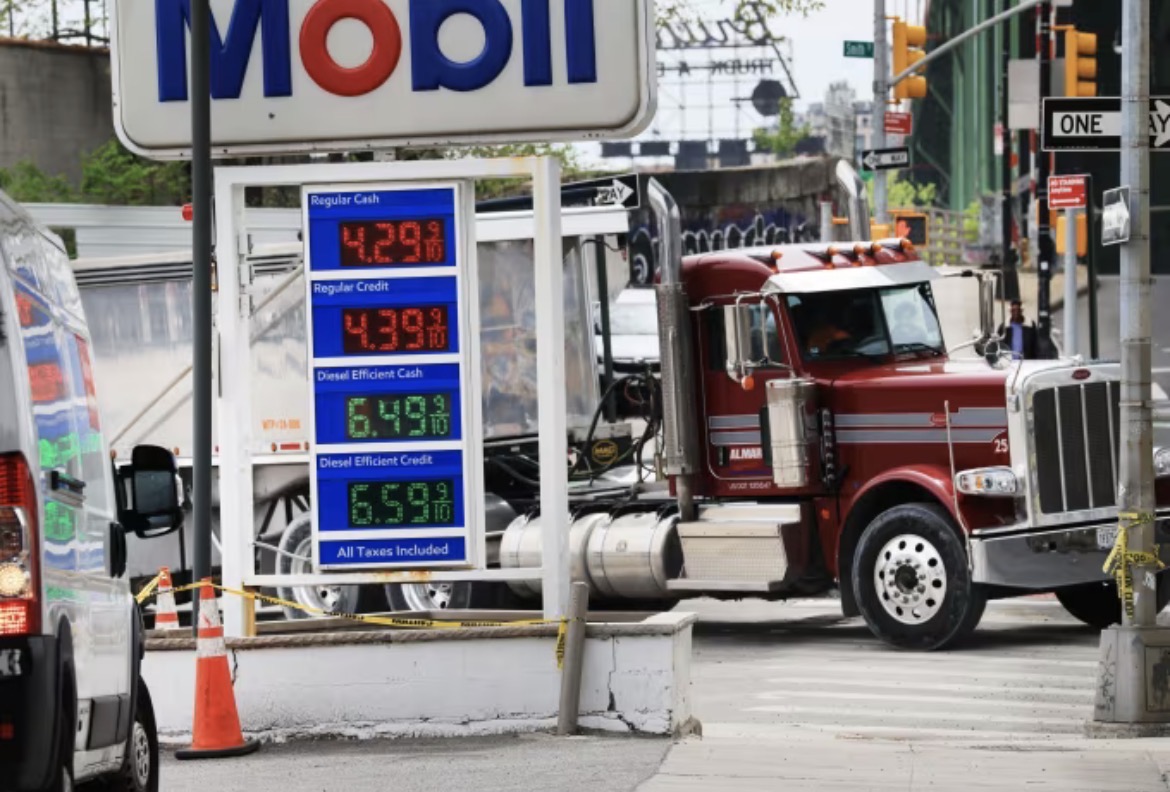
Fast-rising gas prices lifted the Federal Reserve’s preferred inflation gauge to 3.5% in March, its highest rate in almost three years, new data showed Thursday.
The Personal Consumption Expenditures price index rose 0.7% from February, a faster-than-expected acceleration from the previous monthly pace of 0.4%, the Commerce Department reported Thursday. The annual rate of inflation, which jumped from 2.8% in February, is now running at its fastest pace since May 2023.
Economists were expecting the price index to rise 0.6% from the month before and 3.6% on an annual basis, according to FactSet.
The PCE Price Index is the inflation gauge the Federal Reserve uses for its 2% target rate.
The US-Israeli war against Iran, which is now entering its ninth week, has sent shockwaves through the global economy. Shipping traffic in the Persian Gulf and the Strait of Hormuz has slowed to a trickle, choking off a vital waterway for the trade of oil, natural gas, fertilizer and other critical materials.
The sharp hike in energy prices, an aftershock of the Middle East conflict’s squeeze on the oil trade, was largely responsible for the sudden jump in inflation.
When excluding food and energy costs, prices rose 0.3% from February and 3.2% on an annual basis. That’s in line with what economists were expecting.
In addition to the PCE price index, which the Federal Reserve uses for its 2% inflation target, Thursday’s Commerce Department report also provided a look at how households’ spending, income and savings were holding up.
Consumer spending jumped 0.9% from February, but when taking inflation into account, it rose just 0.2%.