Animalverse.social

Login Now

Create an account
  • Home
  • Community
  • Trending
  • Blackmarketplace
  • Groups
  • Game
  • Jobs
  • Financial
  • Digital Assets
  • Watch
  • Login
  • Register

CNBC

Profile picture of CNBC

CNBC

@0x39fbc393693d8fba1c4ffe51702e1d1326aed25a

Active 1 day, 12 hours ago
  • Activity
  • Profile
  • Shop
  • Following 0
  • Followers 2
  • Groups
  • Forums
  • Media 168
  • 0

    Groups

My photos
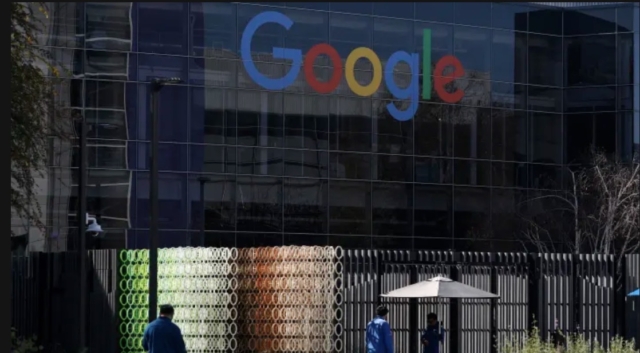
  • Why AI hyperscalers are now the epicenter of a bear case for stocks The Google logo is displayed on a building at Google headquarters on Feb. 4, 2026 in Mountain View, California. If the facts change, then I have to change. I learned that from reading the legendary British economist John Maynard Keynes, and it has never steered me wrong.
  • Bitcoin is weathering its ugliest week in months as narrative fades and liquidity rotates
  • Bitcoin drops back under $70,000, Strategy extends its slide
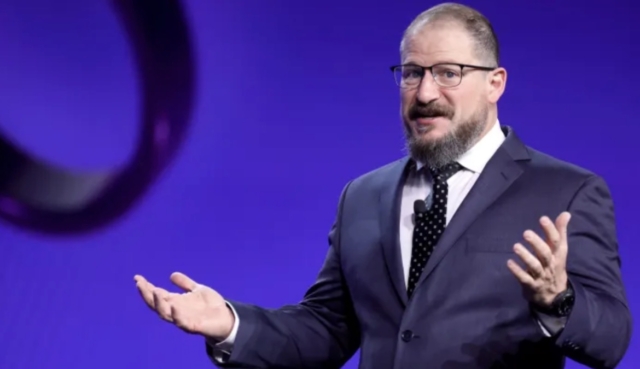
  • This is the greatest time ever for semiconductors, says CEO of key equipment supplier
  • Dell wins a $9.7 billion Pentagon software deal after cozying up to Trump
  • Microsoft’s new responsible tech lead on how to humanize high-speed AI development
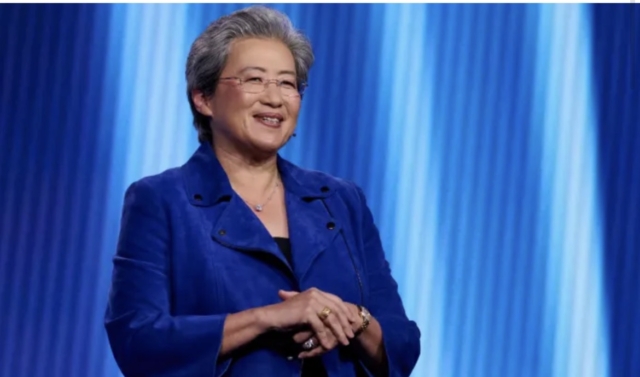
  • AMD to invest $10 billion in Taiwan's AI industry to advance top-end chips
  • Anthropic and U.S. government to face off in DC court over blacklisting of AI company
  • EU to crack down on TikTok, Instagram's ‘addictive design’ targeting kids on social media
  • All168
  • Albums1
  • Photos168
  • Videos0
  • Music0

Create an Album

Please login

You need to be logged in to upload Media or to create Album.

Click HERE to login.

Upload

All Photos

  • why-ai-hyperscalers-are-now-the-epicenter-of-a-bear-case-for-stocks-the-google-logo-is-displayed-on-a-building-at-google-headquarters-on-feb-4-2026-in-mountain-view-california-if-the-facts-change

    Why AI hyperscalers are now the epicenter of a bear case for stocks The Google logo is displayed on a building at Google headquarters on Feb. 4, 2026 in Mountain View, California. If the facts change, then I have to change. I learned that from reading the legendary British economist John Maynard Keynes, and it has never steered me wrong.

    Profile Photo

    CNBC

  • bitcoin-is-weathering-its-ugliest-week-in-months-as-narrative-fades-and-liquidity-rotates

    Bitcoin is weathering its ugliest week in months as narrative fades and liquidity rotates

    Profile Photo

    CNBC

  • bitcoin-drops-back-under-70000-strategy-extends-its-slide

    Bitcoin drops back under $70,000, Strategy extends its slide

    Profile Photo

    CNBC

  • this-is-the-greatest-time-ever-for-semiconductors-says-ceo-of-key-equipment-supplier

    This is the greatest time ever for semiconductors, says CEO of key equipment supplier

    Profile Photo

    CNBC

  • dell-wins-a-9-7-billion-pentagon-software-deal-after-cozying-up-to-trump

    Dell wins a $9.7 billion Pentagon software deal after cozying up to Trump

    Profile Photo

    CNBC

  • microsofts-new-responsible-tech-lead-on-how-to-humanize-high-speed-ai-development

    Microsoft’s new responsible tech lead on how to humanize high-speed AI development

    Profile Photo

    CNBC

  • amd-to-invest-10-billion-in-taiwans-ai-industry-to-advance-top-end-chips

    AMD to invest $10 billion in Taiwan's AI industry to advance top-end chips

    Profile Photo

    CNBC

  • anthropic-and-u-s-government-to-face-off-in-dc-court-over-blacklisting-of-ai-company

    Anthropic and U.S. government to face off in DC court over blacklisting of AI company

    Profile Photo

    CNBC

  • eu-to-crack-down-on-tiktok-instagrams-addictive-design-targeting-kids-on-social-media

    EU to crack down on TikTok, Instagram's ‘addictive design’ targeting kids on social media

    Profile Photo

    CNBC

  • bitcoin-treasury-firm-strategy-breaks-from-never-sell-approach-to-the-flagship-crypto

    Bitcoin treasury firm Strategy breaks from 'never sell' approach to the flagship crypto

    Profile Photo

    CNBC

  • roblox-shares-plummet-18-as-child-safety-measures-weigh-on-bookings

    Roblox shares plummet 18% as child safety measures weigh on bookings

    Profile Photo

    CNBC

  • apple-ceo-tim-cook-warns-of-extended-memory-crunch-well-look-at-a-range-of-options

    Apple CEO Tim Cook warns of extended memory crunch. 'We'll look at a range of options

    Profile Photo

    CNBC

  • meta-told-its-violating-eu-law-by-not-doing-enough-to-keep-children-off-facebook-and-instagram

    Meta told it's violating EU law by not doing enough to keep children off Facebook and Instagram

    Profile Photo

    CNBC

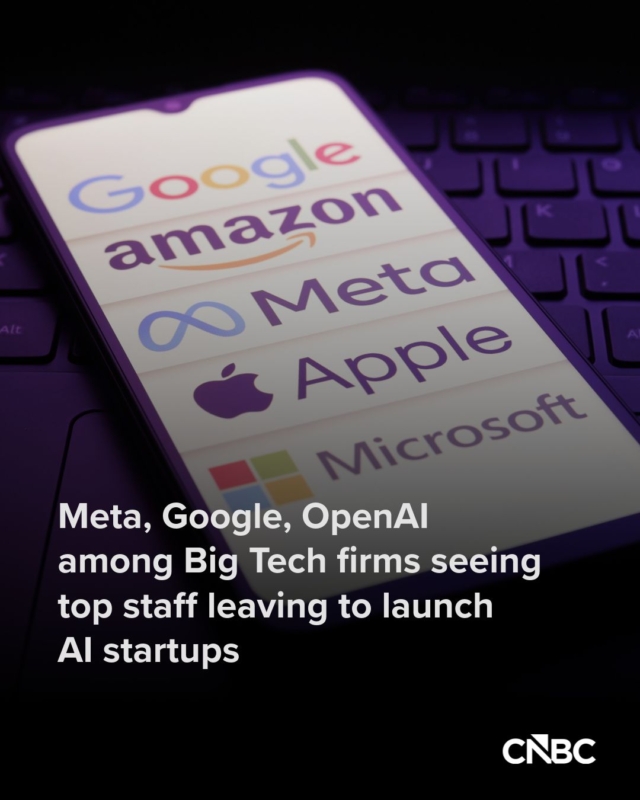
  • meta-google-openai-among-big-tech-firms-seeing-top-staff-leaving-to-launch-ai-startups

    Meta, Google, OpenAI among Big Tech firms seeing top staff leaving to launch AI startups

    Profile Photo

    CNBC

  • anthropic-looks-to-hire-six-figure-role-for-negotiating-data-center-deals-to-fuel-europe-ai-expansion

    Anthropic looks to hire six-figure role for negotiating data center deals to fuel Europe AI expansion

    Profile Photo

    CNBC

  • anthropic-products-are-operational-after-brief-outage-status-page-says

    Anthropic products are operational after brief outage, status page says

    Profile Photo

    CNBC

  • openai-touts-amazon-alliance-in-memo-says-microsoft-has-limited-our-ability-to-reach-clients

    OpenAI touts Amazon alliance in memo, says Microsoft has 'limited our ability' to reach clients

    Profile Photo

    CNBC

  • debris-from-aerial-interception-strikes-oracle-building-in-dubai-uae-says

    Debris from aerial interception strikes Oracle building in Dubai, UAE says

    Profile Photo

    CNBC

  • huaweis-cloud-computing-revenue-dropped-in-2025-as-chinese-ai-lagged-u-s-rivals

    Huawei's cloud computing revenue dropped in 2025 as Chinese AI lagged U.S. rivals

    Profile Photo

    CNBC

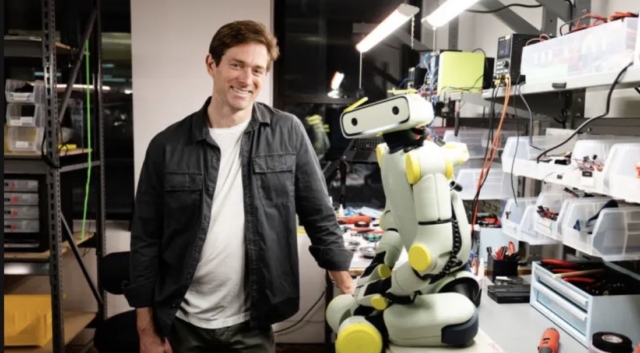
  • amazon-acquires-approachable-humanoid-maker-fauna-robotics

    Amazon acquires 'approachable' humanoid maker Fauna Robotics

    Profile Photo

    CNBC

  • whos-most-optimistic-about-ai-and-who-isnt-according-to-anthropic-2

    Who's most optimistic about AI — and who isn't, according to Anthropic

    Profile Photo

    CNBC

  • whos-most-optimistic-about-ai-and-who-isnt-according-to-anthropic

    Who's most optimistic about AI — and who isn't, according to Anthropic

    Profile Photo

    CNBC

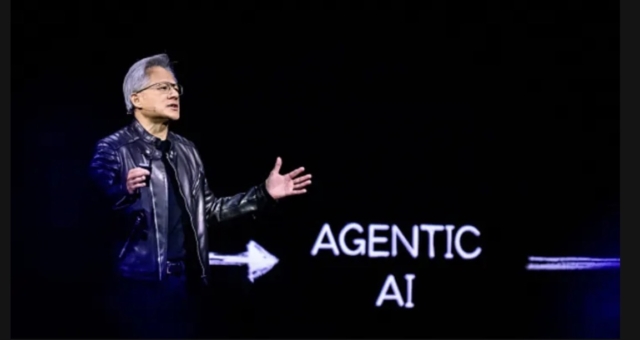
  • nvidia-plans-open-source-ai-agent-platform-nemoclaw-for-enterprises-wired

    Nvidia plans open-source AI agent platform ‘NemoClaw’ for enterprises: Wired

    Profile Photo

    CNBC

  • amazons-bahrain-data-center-targeted-by-iran-for-support-of-u-s-military-state-media-says

    Amazon's Bahrain data center targeted by Iran for support of U.S. military, state media says

    Profile Photo

    CNBC

  • quantums-big-leap-puts-data-centers-in-the-spotlight

    Quantum's big leap puts data centers in the spotlight

    Profile Photo

    CNBC

  • chinese-chip-designer-montage-technology-soars-over-50-in-hong-kong-debut

    Chinese chip designer Montage Technology soars over 50% in Hong Kong debut

    Profile Photo

    CNBC

  • amazon-asks-fcc-for-extension-for-leo-satellite-internet-service

    Amazon asks FCC for extension for Leo satellite internet service

    Profile Photo

    CNBC

  • metas-reality-labs-cuts-sparked-fears-of-a-vr-winter-2

    Meta's Reality Labs cuts sparked fears of a 'VR winter

    Profile Photo

    CNBC

  • metas-reality-labs-cuts-sparked-fears-of-a-vr-winter

    Meta's Reality Labs cuts sparked fears of a 'VR winter

    Profile Photo

    CNBC

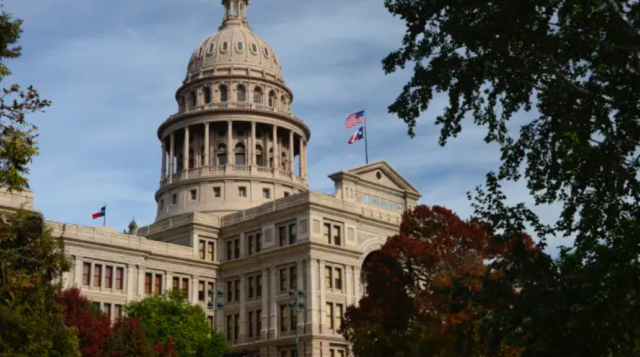
  • led-by-texas-new-hampshire-u-s-states-race-to-prove-they-can-put-bitcoin-on-public-balance-sheet

    Led by Texas, New Hampshire, U.S. states race to prove they can put bitcoin on public balance sheet

    Profile Photo

    CNBC

  • metas-vr-layoffs-studio-closures-underscore-zuckerbergs-massive-pivot-to-ai

    Meta's VR layoffs, studio closures underscore Zuckerberg's massive pivot to AI

    Profile Photo

    CNBC

  • google-bolsters-bet-on-ai-powered-commerce-with-new-platform-for-shopping-agents

    Google bolsters bet on AI-powered commerce with new platform for shopping agents

    Profile Photo

    CNBC

  • shares-of-alphabet-the-parent-of-google-rose-2-4-on-wednesday-to-give-the-firm-a-market-capitalization-of-3-89-trillion-meanwhile-apple-the-parent-of-the-iphone-so-to-speak-retreat

    Shares of Alphabet, the parent of Google, rose 2.4% on Wednesday, to give the firm a market capitalization of $3.89 trillion. Meanwhile, Apple, the parent of the iPhone (so to speak), retreated 0.8%, and ended the day with a capitalization of $3.85 trillion.

    Profile Photo

    CNBC

  • humanoid-robots-take-over-ces-in-las-vegas-as-tech-industry-touts-future-of-ai

    Humanoid robots take over CES in Las Vegas as tech industry touts future of AI

    Profile Photo

    CNBC

  • google-adds-gemini-features-like-message-thread-summaries-to-gmail

    Google adds Gemini features like message thread summaries to Gmail

    Profile Photo

    CNBC

  • democratic-mayor-of-silicon-valleys-largest-city-opposes-billionaire-tax

    Democratic mayor of Silicon Valley's largest city opposes billionaire tax

    Profile Photo

    CNBC

  • baidus-semiconductor-unit-kunlunxin-files-for-hong-kong-listing-amid-ai-chip-boom-in-china

    Baidu’s semiconductor unit Kunlunxin files for Hong Kong listing amid AI chip boom in China

    Profile Photo

    CNBC

  • fed-minutes-show-officials-were-in-tight-split-over-december-rate-cut-s-federal-reserve-chair-jerome-powell-speaks-as-he-holds-a-press-conference-following-a-two-day-meeting-of-the-federal-open-marke

    Fed minutes show officials were in tight split over December rate cut S. Federal Reserve Chair Jerome Powell speaks as he holds a press conference following a two-day meeting of the Federal Open Market Committee (FOMC), at the U.S. Federal Reserve in Washington, D.C., U.S., Dec. 10, 2025. WASHINGTON – The Federal Reserve on Tuesday released minutes from its highly divisive meeting earlier this month, which concluded with a vote to lower interest rates again that appeared to be an even closer call than the final vote indicated. Officials expressed a variety of opinions during the Dec. 9-10 meeting, according to the summary provided a day ahead of its customary release due to the New Year’s holiday. Ultimately, the Federal Open Market Committee approved a quarter percentage point cut by a 9-3 vote, the most dissents since 2019 as officials debated over the need to support the labor market against concerns about inflation. The move lowered the key funds rate to a range of 3.5%-3.75%. “Most participants judged that further downward adjustments to the target range for the federal funds rate would likely be appropriate if inflation declined over time as expected,” the document said. With that, though, came misgivings over how aggressive the FOMC should be in the future. “With respect to the extent and timing of additional adjustments to the target range for the federal funds rate, some participants suggested that, under their economic outlooks, it would likely be appropriate to keep the target range unchanged for some time after a lowering of the range at this meeting,” the minutes said. Officials expressed confidence that the economy would continue to expand around a “moderate” pace, while they saw downside risks to employment and upside risks to inflation. The extent of the two dynamics divided FOMC policymakers, with indications that the vote could have gone either way despite the six-vote victory for the cut. “A few of those who supported lowering the policy rate at this meeting indicated that the decision was finely balanced or that they could have supported keeping the target range unchanged,” the minutes said. The vote also came with a quarterly update of the committee’s Summary of Economic Projections, including the closely watched “dot plot” grid of individual officials’ rate expectations. The 19 officials at the December meeting – 12 vote on rates – indicated the likelihood of another cut in 2026 then one more in 2027. That would take the funds rate down to near 3%, a level officials consider as neutral in that it neither restricts nor pushes economic growth. The faction favoring keeping the rate steady “expressed concern that progress toward the Committee’s 2 percent inflation objective had stalled in 2025 or indicated that they needed to have more confidence that inflation was being brought down sustainably to the Committee’s objective.” Officials said President Donald Trump’s tariffs were boosting inflation, but they also largely agreed that the impact would be temporary and likely abate into 2026. Since the vote, economic reports have pointed to a labor market where hiring is still slow but layoffs have not accelerated. On the prices side, inflation has been slowly easing but remains a distance away from the Fed’s 2% target. At the same time, the broader economy continues to perform well. Gross domestic product soared in the third quarter, rising at a 4.3% annualized pace that was well ahead of estimates and a half percentage point better than the strong second quarter. However, most of the data carries a significant caveat: Reports are still trailing as government agencies round up data from the dark period during the government shutdown. Even the reports coming in that are more current, at least from official sources, are being weighed with caution due the data gaps. Consequently, markets largely expect the FOMC to stay put over the next few meetings as policymakers weigh incoming data. The holiday season was a quiet one for Fed official commentary and the few comments out there show mostly caution heading into the new year. The committee’s complexion also is about to change, with four new regional presidents rotating into voting roles. They will be Cleveland President Beth Hammack, who has expressed opposition not only to additional cuts but also previous ones; Philadelphia President Anna Paulson, who has joined FOMC doves in expressing concern about inflation; Dallas President Lorie Logan, who has voiced concerns about cutting; and Minneapolis President Neel Kashkari, who said he wouldn’t have voted for the October cut. Also at the meeting, the committee voted to resume its bond-buying program. Under the new setup, the Fed will be acquiring short-term Treasury bills in an effort to calm pressures in short-term funding markets. The central bank initiated the program by buying $40 billion a month in bills, staying around that level for several months before downshifting. A prior effort to reduce the balance sheet saw the Fed cut its holdings by about $2.3 trillion to its current $6.6 trillion. The minutes noted that unless the buying program, known in markets as quantitative easing, was restarted, it could result in a “significant declines in reserves” that would fall below the Fed’s “ample” regime for the banking system.

    Profile Photo

    CNBC

  • were-putting-an-ai-giant-in-the-bullpen-not-letting-a-mistake-cloud-our-judgment

    We’re putting an AI giant in the Bullpen — not letting a mistake cloud our judgment

    Profile Photo

    CNBC

  • disneys-avatar-fire-and-ash-disappoints-with-weak-88-million-domestic-opening-the-opening-weekend-for-disneys-avatar-fire-and-ash-was-less-of-a-blaze-and-more-of-a

    Disney's 'Avatar: Fire and Ash' disappoints with weak $88 million domestic opening The opening weekend for Disney’s “Avatar: Fire and Ash” was less of a blaze and more of a simmer. And that’s the expectation for the full theatrical run of the third installment in James Cameron’s Avatar franchise. During its first three days in theaters, “Fire and Ash” tallied $88 million, falling well shy of analysts’ expectations, which called for a debut haul between $110 million and $125 million. For comparison, 2022′s “Avatar: The Way of Water” brought in $134 million during the same three-day period. Internationally, the film collected $257 million, bringing the film’s global opening to an estimated $345 million. “Fire and Ash” faced some theatrical headwinds, namely its over-three-hour runtime. There was also less pent-up demand compared to “The Way of Water,” which was released more than a decade after the first Avatar film. Some box office analysts and critics noted that “Fire and Ash” has less technological innovation than its predecessors, which had been a driving factor in past ticket sales. Around 5.2 million domestic moviegoers went to see “Fire and Ash,” according to data from EntTelligence, a massive decline from the 8.7 million that ventured out in 2022 to see the opening weekend of “The Way of Water.” Still, the Avatar franchise has never been front-loaded at the box office. The first film, 2009′s “Avatar,” generated just $77 million in its opening weekend domestically, but stayed in theaters for nearly a year. By the time it exited theaters, the film had generated $2.7 billion globally. With re-releases, the film now stands at $2.9 billion, according to data from Comscore. “The Way of Water” ran in theaters for 23 weeks and has grossed $2.3 billion globally. “With less than two weeks remaining in the box office year, the pressure on ‘Avatar: Fire And Ash’ to deliver big was intense and though the film may have come in a bit below pre-release opening weekend projections, the Avatar films have always been known for their marathon box office trajectories,” said Paul Dergarabedian, head of marketplace trends at Comscore. Also aiding the franchise at the box office are premium large-format ticket sales. The Avatar films have over-indexed with the more expensive experiential screens like IMAX and Dolby as well as 3D showings. Disney reported that 3D and premium theaters accounted for 66% of the weekend total. While 3D films have fallen out of favor with domestic audiences, they remain popular internationally —especially in China. Indeed, “Avatar” made the bulk of its money outside the U.S., with a whopping $2.08 billion coming from overseas.

    Profile Photo

    CNBC

  • former-trump-advisor-dina-powell-mccormick-leaves-meta-board-after-eight-month-stint-dina-powell-mccormick-who-was-a-member-of-president-donald-trumps-first-administration-has-resigned-from

    Former Trump advisor Dina Powell McCormick leaves Meta board after eight-month stint Dina Powell McCormick, who was a member of President Donald Trump’s first administration, has resigned from Meta’s board of directors. Powell McCormick, who previously spent 16 years working at Goldman Sachs, notified Meta of her resignation on Friday, according to a filing with the SEC. The filing did not disclose why McCormick was stepping down from Meta’s board, but said her resignation was effective immediately. Meta does not plan on replacing her board role, according to a person familiar with the matter who asked not to be named due to confidentiality. Powell McCormick is considering a potential strategic advisory role with Meta, but nothing has been decided, the person said. Powell McCormick joined Meta’s board in April along with Stripe co-founder and CEO Patrick Collison. Meta CEO Mark Zuckerberg said in a statement at the time that the two executives “bring a lot of experience supporting businesses and entrepreneurs to our board.” Powell McCormick served as a deputy national security advisor to President Trump during his first stint in office and was also an assistant secretary of state during President George W. Bush’s administration. She is married to Sen. Dave McCormick, R-Pa, who took office in January. Powell McCormick is the vice chair, president and head of global client services at BDT & MSD Partners, which formed in 2023 after the merchant bank BDT combined with Michael Dell’s investment firm MSD. With her departure, Meta now has 14 board members, including UFC CEO Dana White, Broadcom CEO Hock Tan and former Enron executive John Arnold.

    Profile Photo

    CNBC

  • the-101st-academy-awards-will-be-hosted-on-youtube-the-academy-of-motion-picture-arts-and-sciences-announced-its-signed-a-multiyear-deal-with-the-google-owned-service-to-stream-the-oscars-st

    The 101st Academy Awards will be hosted on YouTube. The Academy of Motion Picture Arts and Sciences announced it’s signed a multiyear deal with the Google-owned service to stream the Oscars starting in 2029 and running through 2033

    Profile Photo

    CNBC

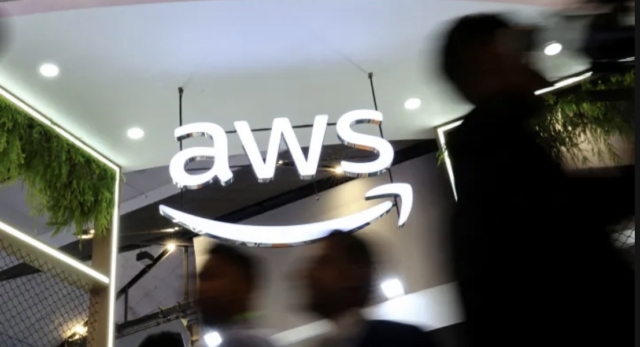
  • jim-cramer-says-amazon-is-a-buy-on-2025-underperformance-for-this-key-reason-people-walk-past-the-logo-of-amazon-web-services-aws-at-its-exhibitor-stall-at-the-india-mobile-congress-2025-at-yashobho

    Jim Cramer says Amazon is a buy on 2025 underperformance for this key reason People walk past the logo of Amazon Web Services (AWS) at its exhibitor stall at the India Mobile Congress 2025 at Yashobhoomi, a convention and expo center in New Delhi, India, October 8, 2025.

    Profile Photo

    CNBC

  • the-sell-off-in-artificial-intelligence-stocks-continued-unabated-friday-stateside-broadcom-shares-tumbled-more-than-11-as-investors-grew-concerned-over-lower-margins-and-uncertai

    The sell-off in artificial intelligence stocks continued unabated Friday stateside. Broadcom shares tumbled more than 11% as investors grew concerned over lower margins and uncertain deals. Names such as Nvidia, Advanced Micro Devices and Oracle fell in sympathy, which caused major U.S. indexes to close lower.

    Profile Photo

    CNBC

  • cnbc-daily-open-u-s-stocks-retreat-from-highs-as-broadcom-leads-tech-sell-off-signage-at-the-broadcom-inc-headquarters-in-san-jose-california-u-s-on-monday-june-2-2025-david-paul-morris-bl

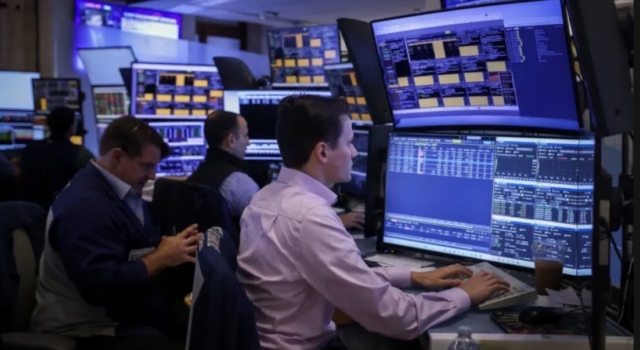
    CNBC Daily Open: U.S. stocks retreat from highs as Broadcom leads tech sell-off Signage at the Broadcom Inc. headquarters in San Jose, California, U.S., on Monday, June 2, 2025. David Paul Morris | Bloomberg | Getty Images The sell-off in artificial intelligence stocks continued unabated Friday stateside. Broadcom shares tumbled more than 11% as investors grew concerned over lower margins and uncertain deals. Names such as Nvidia, Advanced Micro Devices and Oracle fell in sympathy, which caused major U.S. indexes to close lower. It was a motif patterning the week. Even though the Dow Jones Industrial Average rose 1.1% week on week on the back of outperformance by financial stocks, tech names dragged down the S&P 500 and the Nasdaq Composite, which fell 0.6% and 1.6% respectively for the week. That said, investors could have just been jittery amid the narrative of an apparent AI bubble, and were spooked by any sign of bad news. After all, Broadcom’s earnings — as well as its guidance for the current quarter — breezed past expectations. “Frankly we aren’t sure what else one could desire as the company’s AI story continues to not only overdeliver but is doing it at an accelerating rate,” Bernstein analyst Stacy Rasgon, who has a “buy” rating on Broadcom, wrote in a Friday note. Future prospects also look rosy, according to UBS. “We expect high profitability and the accelerating impact of the AI, power and resources, and longevity themes to drive 2026 performance,” said strategist Sagar Khandelwal. But in the near term, investors may still be flighty, unless something concretely reassuring, such as Oracle achieving positive cash flow, reassures them the snapping sound is just a twig in the forest. What you need to know today U.S. stocks dragged down by AI names. Major indexes fell Friday, a day after they hit record highs. Asia-Pacific markets traded lower Monday. South Korea’s Kospi retreated roughly 1.5% as of 2:45 p.m. Singapore time (1:45 a.m. ET), leading losses in the region. China’s economic slowdown deepens. Even though the country’s retail sales and industrial production grew year on year in November, their increase missed forecasts and slowed from the previous month. Investment in fixed assets in the January-to-November period contracted from a year earlier. The end of the ‘Berkshire way’? Several aspects of Berkshire Hathaway’s leadership transition are signaling that the conglomerate is drifting away from the famously decentralized “Berkshire way,” CNBC’s Alex Crippen writes. Hong Kong court finds Jimmy Lai guilty. The 78-year-old pro-democracy activist and media baron was ruled guilty of sedition and collusion with foreign countries by a Hong Kong court on Monday. The results might unsettle foreign investors, analysts say. [PRO] China’s food security strategy. The spat between Beijing and Washington over soybean purchases has highlighted the evolution of China’s domestic agriculture industry. Goldman Sachs thinks this is the best way to play the sector. And finally... Copper prices have soared this year, hitting multiple record highs, fueled by supply disruptions and fears over U.S. tariffs. Imagebroker/sunny Celeste | Imagebroker | Getty Images Copper could hit ‘stratospheric new highs’ as hoarding of the metal in U.S. continues Copper prices have hit multiple record highs this year, fueled by supply disruptions and as fears over U.S. tariffs have led to a surge in demand. The rally is set to continue into 2026. Citi analysts expect prices of the red metal to skyrocket on the back of stronger demand led by the energy transition and artificial intelligence sectors. Electrification, grid expansion and data-center build-outs require large amounts of the metal for wiring, power transmission and cooling infrastructure.

    Profile Photo

    CNBC

  • coinbase-to-soon-unveil-prediction-markets-powered-by-kalshi-source-says-coinbase-is-gearing-up-to-launch-an-in-house-prediction-market-powered-by-kalshi-a-source-close-to-the-matter-told-cnbc

    Coinbase to soon unveil prediction markets powered by Kalshi, source says Coinbase is gearing up to launch an in-house prediction market, powered by Kalshi, a source close to the matter told CNBC — a strategic play to expand the number of asset classes available on the cryptocurrency exchange at a time when some investors are shying away from digital assets. The source said Coinbase and Kalshi will formally announce the prediction market soon, with news potentially coming as early as next week. The partnership is not exclusive, but Kalshi will be the only prediction markets operator working with Coinbase when the product launches, according to the source. Rumblings of the prediction market launch have swirled for nearly a month. An alleged screenshot of Coinbase’s prediction markets dashboard shared by Silicon Valley researcher Jane Manchun Wong in an X post dated Nov. 18 offered some clues about the new product. The Information first reported on Nov. 19 that Coinbase planned to launch prediction markets powered by Kalshi, adding that the exchange would unveil the new product at its “Coinbase System Update” event on Dec. 17. Bloomberg published a similar report on Thursday, citing a source familiar with the matter, adding that Coinbase would also announce a tokenized stock offering at the showcase. Coinbase declined to confirm the reports to CNBC, but said to tune into its event next week. The firm did not comment on a timeline for when its prediction markets would go live for its users. Coinbase’s upcoming product launches underscore its push to refashion itself into an “everything exchange,” or a one-stop shop for trading all kinds of assets, including crypto tokens, tokenized stocks and event contracts. In May, CEO Brian Armstrong articulated that “everything exchange” vision to investors, saying Coinbase would aim to become a top financial services app within the next decade. The trading platform is setting its sights on that goal as it faces intensifying competition from rivals such as Robinhood, Gemini and Kraken. All three have launched tokenized equity offerings to users outside of the U.S. within the past year, in addition to exploring prediction markets to varying extents. Coinbase’s moves to expand the financial instruments available to its users also come as investor sentiment on digital assets cools. A series of liquidations of highly leveraged digital asset positions in mid-October triggered several pullbacks in the crypto market, prompting investors to rotate out of tokens and into gold and other safe-haven assets. Bitcoin fell as low as around $85,000 in early December, hitting its lowest level since last March. The token was last trading at $89,951, down 23% in the past three months. Coinbase has also fallen more than 16% over the past three months. The deal also underscores U.S.-based prediction markets operator Kalshi’s push to embed its event contracts into various brokerages, widening its reach as the prediction markets space becomes increasingly competitive. This year, Kalshi embedded several of its prediction markets into trading platform Robinhood, as part of a non-exclusive partnership between the companies. Kalshi has also engaged in talks with several other major brokerages, including those in the crypto industry, with the aim of closing more deals like the ones it has struck with Robinhood and now Coinbase, a source familiar with the matter told CNBC.

    Profile Photo

    CNBC

  • the-feds-hawkish-cut-oracle-earnings-coca-colas-next-ceo-and-more-in-morning-squawk-federal-reserve-chair-jerome-powell-speaks-during-a-press-conference-following-the-federal-open-markets-commit

    The Fed's hawkish cut, Oracle earnings, Coca-Cola's next CEO and more in Morning Squawk Federal Reserve Chair Jerome Powell speaks during a press conference following the Federal Open Markets Committee meeting at the Federal Reserve on Dec. 10, 2025 in Washington, DC Here are five key things investors need to know to start the trading day: 1. Holding out for a hero Stocks surged yesterday after the Federal Reserve delivered a widely expected interest rate cut at its final policy gathering of the year. But the bank seemed to take the “hawkish cut” stance many were anticipating, saying that the move doesn’t signal more decreases in the near future. Here’s the rundown: The Fed announced a 25 basis point rate cut, marking its third decrease of 2025. Policymakers are forecasting just one rate decrease in the year ahead, projections show. But it wasn’t a united front. This week’s meeting saw the most voting members break with the majority since 2019. In its closely watched statement, the Fed noted an uptick in unemployment, indicating a possible shift in focus to the labor market from inflation. The central bank also said that it will purchase short-term Treasury bonds on an as-needed basis, pushing down some yields. Chair Jerome Powell took a cautious stance in his press conference, saying the decision was a “close call” and that monetary policymakers can now “wait and see how the economy evolves.” Wall Street liked what it heard: The Dow rose nearly 500 points in Wednesday’s session, while the S&P 500 finished just short of all-time highs. Meanwhile, President Donald Trump said the Fed could have “at least doubled” the size of its rate decrease. Follow live markets updates here. 2. Diverging paths A sign is posted in front of the Oracle headquarters in Redwood Shores, California, on March 11, 2024. Justin Sullivan | Getty Images Oracle missed analysts’ expectations for revenue in its high-profile earnings report yesterday. Shares of the software company dropped 11% in extended trading, dragging down other artificial intelligence plays such as Nvidia and CoreWeave. The revenue miss overshadowed Oracle’s quarterly earnings per share, which blew past Wall Street’s forecast for the second quarter. Oracle also said its remaining performance obligations soared more than 400% from a year ago, driven by new commitments from companies including Meta and Nvidia. On the other hand, shares of Cisco rallied to an all-time closing high in yesterday’s session. As CNBC’s Jordan Novet points out, it’s the first such record for Cisco since its dot-com bubble peak in 2000. 3. Taking the tanker A U.S. military helicopter flies near an oil tanker during a raid described by U.S. Attorney General Pam Bondi as its seizure by the United States off the coast of Venezuela, Dec. 10, 2025, in a still image from video. U.S. Attorney General | Via Reuters Trump said yesterday that the U.S. seized an oil tanker off the coast of Venezuela. He said it was “the largest one ever seized.” Matt Smith, head U.S. analyst at energy consultancy Kpler, told CNBC that the tanker has been identified as the Skipper, a Guyana-flagged “Very Large Crude Carrier” that appeared to be en route to Cuba. Attorney General Pam Bondi said in an X post yesterday that the tanker had been sanctioned by the U.S. for years “due to its involvement in an illicit oil shipping network supporting foreign terrorist organizations.” The move comes as Trump continues to escalate his pressure campaign against Venezuelan President Nicolás Maduro, saying in a Politico interview published Tuesday that Maduro’s “days are numbered.” Oil prices popped yesterday following Trump’s announcement. 4. Rivian’s road ahead Rivian electric vehicles are parked at the Rivian Venice Hub in Venice, California, on Nov. 13, 2024. Mario Tama | Getty Images News | Getty Images Rivian is taking a turn toward artificial intelligence. The electric vehicle maker is hosting its first-ever “Autonomy and AI Day” today as it pitches shareholders on its in-house technology for new cars. As CNBC’s Michael Wayland notes, Rivian’s AI push comes as the company’s core EV business has lagged expectations since it went public four years ago. Rivian is also losing billions of dollars annually despite efforts to reduce costs and increase software revenue. 5. Leadership refresh Henrique Braun to become the next CEO of The Coca-Cola Company. Courtesy: The Coca-Cola Company The latest C-suite shakeup came last night: Coca-Cola announced operations chief Henrique Braun will succeed James Quincey as CEO next year. Braun, who has worked at the soda giant for nearly three decades, will take the helm at the end of March. Quincey will stay with Coca-Cola as its board’s executive chairman following his eight-year stint as CEO. Coca-Cola has mostly outperformed rival Pepsico under Quincey, and its namesake Coke brand has held on to its title as the top-selling soda in the U.S. But the company has grappled with cooling demand as lower-income consumers buckle under inflationary pressures. The Daily Dividend CNBC’s Hayley Cuccinello reports that investment firms of the ultra rich are using WhatsApp chats to do everything from vet deals to sell dinosaur bones. Yes, you read that correctly. If I need something at any time of day, I can message nearly 1,000 people about a new bitcoin fund or ask who’s the best tax lawyer in Germany.

    Profile Photo

    CNBC

  • nvidia-supplier-sk-hynix-eyes-u-s-listing-as-it-expands-on-the-ai-boom-illustration-of-the-sk-hynix-company-logo-seen-displayed-on-a-smartphone-screen-sopa-images-lightrocket-getty-images-south

    Nvidia supplier SK Hynix eyes U.S. listing as it expands on the AI boom Illustration of the SK Hynix company logo seen displayed on a smartphone screen. Sopa Images | Lightrocket | Getty Images South Korea’s SK Hynix on Wednesday confirmed that it is weighing a U.S. listing as the memory chipmaker’s valuation soars on global demand for artificial intelligence hardware. The company at the center of the AI infrastructure boom said in a regulatory filing that it was “reviewing various measures to enhance corporate value, including a U.S. stock market listing utilizing treasury shares,” while noting that no final decision has been made. A U.S. listing would give American investors direct access to SK Hynix shares, which have surged nearly 230% so far this year in trading in Seoul on the back of strong AI demand. The Korea Exchange on Tuesday asked SK Hynix to address a Korea Economic Daily report that the company had received proposals to list about 2.4% of its shares as American depositary receipts (ADRs) backed by treasury stock. ADRs are tradable certificates issued by U.S. banks that represent shares in a foreign company. While they tend to trade with lower liquidity than a full U.S. listing, which can deter some investors, ADRs use existing shares rather than new stock, preserving value for existing shareholders. SK Hynix holds treasury shares equivalent to about 2.4% of its issued stock, according to the company’s investor relations website. Shares of SK Hynix rose 4% on Wednesday following its statement, before paring gains on Thursday, trading over 2% lower. The company has cemented its lead in high-bandwidth memory chips, which are used in Nvidia’s AI processors. A U.S. listing could help narrow valuation gaps between the company and U.S.-listed memory rival Micron Technology, as well as Samsung Electronics. SK Hynix has also been committing significant capital at home and abroad to expand its supply capacity, as it races to keep up with growing AI demand. The firm has committed nearly $4 billion to an advanced packaging fab in Indiana, aligning with Washington’s aim to expand domestic chip production. SK Hynix is also set to benefit from the government’s growing support of the local semiconductor industry. South Korea is considering building a 4.5 trillion won ($3.06 billion) foundry, funded by state and private capital to nurture local chipmakers amid growing demand for AI chips, according to a Reuters report on Wednesday. The report added that South Korean President Lee Jae Myung met with executives from chipmakers, including Samsung Electronics and SK Hynix, on the same day to discuss plans to maintain the country’s lead in memory chips and support its local chip manufacturing.

    Profile Photo

    CNBC

  • australia-is-trying-to-enforce-the-first-teen-social-media-ban-governments-worldwide-are-watching-australia-on-wednesday-became-the-first-country-to-formally-bar-users-under-the-age-of-16-from-acces-3

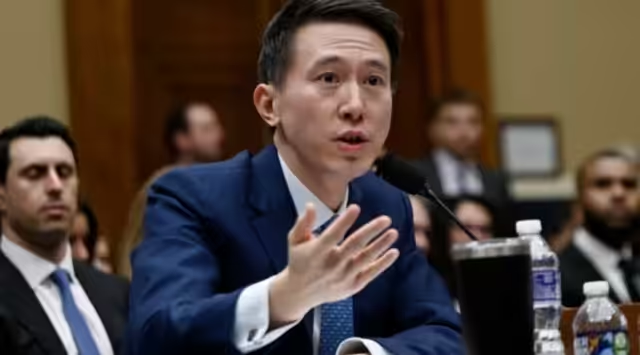
    Australia is trying to enforce the first teen social media ban. Governments worldwide are watching. Australia on Wednesday became the first country to formally bar users under the age of 16 from accessing major social media platforms, a move expected to be closely monitored by global tech companies and policymakers around the world. Canberra’s ban, which came into effect from midnight local time, targets 10 major services, including Alphabet’s YouTube, Meta’s Instagram, ByteDance’s TikTok, Reddit, Snapchat and Elon Musk’s X. The controversial rule requires these platforms to take “reasonable steps” to prevent underage access, using age-verification methods such as inference from online activity, facial estimation via selfies, uploaded IDs, or linked bank details. All targeted platforms had agreed to comply with the policy to some extent. Elon Musk’s X had been one of the last holdouts, but signaled on Wednesday that it would comply. The policy means millions of Australian children are expected to have lost access to their social accounts. However, the impact of the policy could be even wider, as it will set a benchmark for other governments considering teen social media bans, including Denmark, Norway, France, Spain, Malaysia and New Zealand. Controversial rollout Ahead of the legislation’s passage last year, a YouGov survey found that 77% of Australians backed the under-16 social media ban. Still, the rollout has faced some resistance since becoming law. Supporters of the bill have argued it safeguards children from social media-linked harms, including cyberbullying, mental health issues, and exposure to predators and pornography. Among those welcoming the official ban on Wednesday was Jonathan Haidt, social psychologist and author of The Anxious Generation, a 2024 best-selling book that linked a growing mental health crisis to smartphone and social media usage, especially for the young. In a post on social media platform X, Haidt commended policymakers in Australia for “freeing kids under 16 from the social media trap.” “There will surely be difficulties in the early months, but the world is rooting for your success, and many other nations will follow,” he added. On the other hand, opponents contend that the ban infringes on freedoms of expression and access to information, raises privacy concerns through invasive age verification, and represents excessive government intervention that undermines parental responsibility. Those critics include groups like Amnesty Tech, which said in a statement Tuesday that the ban was an ineffective fix that ignored the rights and realities of younger generations. “The most effective way to protect children and young people online is by protecting all social media users through better regulation, stronger data protection laws and better platform design,” said Amnesty Tech Programme Director Damini Satija. Meanwhile, David Inserra, a fellow for free expression and technology at the Cato Institute, warned in a blog post that children would evade the new policy by shifting to new platforms, private apps like Telegram, or VPNs, driving them to “more isolated communities and platforms with fewer protections” where monitoring is harder. Tech companies like Google have also warned that the policy could be extremely difficult to enforce, while government-commissioned reports have pointed to inaccuracies in age-verification technology, such as selfie-based age-guessing software. Indeed, on Wednesday, local reports in Australia indicated that many children had already bypassed the ban, with age-assurance tools misclassifying users, and workarounds such as VPNs proving effective. However, Australian Prime Minister Anthony Albanese had attempted to preempt these issues, acknowledging in an opinion piece on Sunday that the system would not work flawlessly from the start, likening it to liquor laws. “The fact that teenagers occasionally find a way to have a drink doesn’t diminish the value of having a clear national standard,” he added. Experts told CNBC that the rollout is expected to continue to face challenges and that regulators would need to take a trial-and-error approach. “There’s a fair amount of teething problems around it. Many young people have been posting on TikTok that they successfully evaded the age limitations and that’s to be expected,” said Terry Flew, a professor of digital communication and culture at the University of Sydney. “You were never going to get 100% disappearance of every person under the age of 16 from every one of the designated platforms on day one,” he added. Global implications Experts told CNBC that the policy rollout in Australia will be closely watched by tech firms and lawmakers worldwide, as other countries consider their own moves to ban or restrict teen social media usage. “Governments are responding to how public expectations have changed about the internet and social media, and the companies have not been particularly responsive to moral suasion,” said Flew. “We see similar pressures are emerging, particularly, but not exclusively in Europe,” he added. The European Parliament passed a non-binding resolution in November advocating a minimum age of 16 for social media access, allowing parental consent for 13 to 15-year-olds. The bloc has also proposed banning addictive features such as infinite scrolling and auto-play for minors, which could lead to EU-wide enforcement against non-compliant platforms Outside Europe, Malaysia and New Zealand have also been advancing proposals to ban social media for children under 16. However, laws elsewhere are expected to differ from Australia’s, whether that be regarding age restrictions or age verification processes. “My hope is that countries that are looking at implementing similar policies will monitor for what doesn’t work in Australia and learn from our mistakes,” said Tama Leaver, professor at the Department of Internet Studies at Curtin University and a Chief Investigator in the ARC Centre of Excellence for the Digital Child. “I think platforms and tech companies are also starting to realize that if they don’t want age-gating policies everywhere, they’re going to have to do much better at providing safer, appropriate experiences for young users.”

    Profile Photo

    CNBC

  • australia-is-trying-to-enforce-the-first-teen-social-media-ban-governments-worldwide-are-watching-australia-on-wednesday-became-the-first-country-to-formally-bar-users-under-the-age-of-16-from-acces-2

    Australia is trying to enforce the first teen social media ban. Governments worldwide are watching. Australia on Wednesday became the first country to formally bar users under the age of 16 from accessing major social media platforms, a move expected to be closely monitored by global tech companies and policymakers around the world. Canberra’s ban, which came into effect from midnight local time, targets 10 major services, including Alphabet’s YouTube, Meta’s Instagram, ByteDance’s TikTok, Reddit, Snapchat and Elon Musk’s X. The controversial rule requires these platforms to take “reasonable steps” to prevent underage access, using age-verification methods such as inference from online activity, facial estimation via selfies, uploaded IDs, or linked bank details. All targeted platforms had agreed to comply with the policy to some extent. Elon Musk’s X had been one of the last holdouts, but signaled on Wednesday that it would comply. The policy means millions of Australian children are expected to have lost access to their social accounts. However, the impact of the policy could be even wider, as it will set a benchmark for other governments considering teen social media bans, including Denmark, Norway, France, Spain, Malaysia and New Zealand. Controversial rollout Ahead of the legislation’s passage last year, a YouGov survey found that 77% of Australians backed the under-16 social media ban. Still, the rollout has faced some resistance since becoming law. Supporters of the bill have argued it safeguards children from social media-linked harms, including cyberbullying, mental health issues, and exposure to predators and pornography. Among those welcoming the official ban on Wednesday was Jonathan Haidt, social psychologist and author of The Anxious Generation, a 2024 best-selling book that linked a growing mental health crisis to smartphone and social media usage, especially for the young. In a post on social media platform X, Haidt commended policymakers in Australia for “freeing kids under 16 from the social media trap.” “There will surely be difficulties in the early months, but the world is rooting for your success, and many other nations will follow,” he added. On the other hand, opponents contend that the ban infringes on freedoms of expression and access to information, raises privacy concerns through invasive age verification, and represents excessive government intervention that undermines parental responsibility. Those critics include groups like Amnesty Tech, which said in a statement Tuesday that the ban was an ineffective fix that ignored the rights and realities of younger generations. “The most effective way to protect children and young people online is by protecting all social media users through better regulation, stronger data protection laws and better platform design,” said Amnesty Tech Programme Director Damini Satija. Meanwhile, David Inserra, a fellow for free expression and technology at the Cato Institute, warned in a blog post that children would evade the new policy by shifting to new platforms, private apps like Telegram, or VPNs, driving them to “more isolated communities and platforms with fewer protections” where monitoring is harder. Tech companies like Google have also warned that the policy could be extremely difficult to enforce, while government-commissioned reports have pointed to inaccuracies in age-verification technology, such as selfie-based age-guessing software. Indeed, on Wednesday, local reports in Australia indicated that many children had already bypassed the ban, with age-assurance tools misclassifying users, and workarounds such as VPNs proving effective. However, Australian Prime Minister Anthony Albanese had attempted to preempt these issues, acknowledging in an opinion piece on Sunday that the system would not work flawlessly from the start, likening it to liquor laws. “The fact that teenagers occasionally find a way to have a drink doesn’t diminish the value of having a clear national standard,” he added. Experts told CNBC that the rollout is expected to continue to face challenges and that regulators would need to take a trial-and-error approach. “There’s a fair amount of teething problems around it. Many young people have been posting on TikTok that they successfully evaded the age limitations and that’s to be expected,” said Terry Flew, a professor of digital communication and culture at the University of Sydney. “You were never going to get 100% disappearance of every person under the age of 16 from every one of the designated platforms on day one,” he added. Global implications Experts told CNBC that the policy rollout in Australia will be closely watched by tech firms and lawmakers worldwide, as other countries consider their own moves to ban or restrict teen social media usage. “Governments are responding to how public expectations have changed about the internet and social media, and the companies have not been particularly responsive to moral suasion,” said Flew. “We see similar pressures are emerging, particularly, but not exclusively in Europe,” he added. The European Parliament passed a non-binding resolution in November advocating a minimum age of 16 for social media access, allowing parental consent for 13 to 15-year-olds. The bloc has also proposed banning addictive features such as infinite scrolling and auto-play for minors, which could lead to EU-wide enforcement against non-compliant platforms Outside Europe, Malaysia and New Zealand have also been advancing proposals to ban social media for children under 16. However, laws elsewhere are expected to differ from Australia’s, whether that be regarding age restrictions or age verification processes. “My hope is that countries that are looking at implementing similar policies will monitor for what doesn’t work in Australia and learn from our mistakes,” said Tama Leaver, professor at the Department of Internet Studies at Curtin University and a Chief Investigator in the ARC Centre of Excellence for the Digital Child. “I think platforms and tech companies are also starting to realize that if they don’t want age-gating policies everywhere, they’re going to have to do much better at providing safer, appropriate experiences for young users.”

    Profile Photo

    CNBC

Load More

Recent activity
  • CNBC posted an update

    2 days, 18 hours ago
  • CNBC posted an update

    6 days, 1 hour ago
  • CNBC posted an update

    1 week, 1 day ago
  • CNBC posted an update

    1 week, 5 days ago
  • CNBC posted an update

    1 week, 6 days ago
Guest
Create an account
Copied to clipboard.