

Betta fish community
Public Group
Active 2 months, 1 week ago
Group Leadership
- Group Administrators
-
-

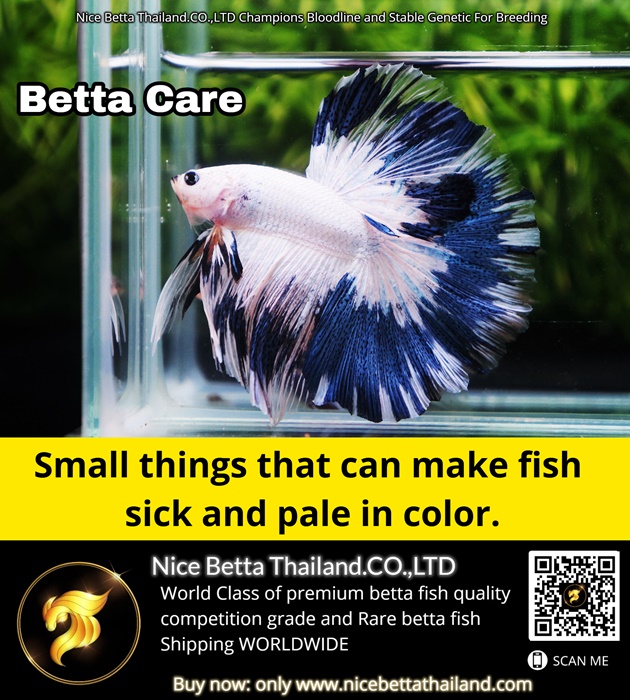
Betta fish are often considered one of the easiest ornamental fish to keep, but many people mistakenly believe they can survive in tiny containers without proper care. In reality, bettas still need a suitable environment, clean water, quality food, and proper attention to stay healthy, vibrant, and long-lived. This article will guide you through the essential basics of betta fish care with an easy-to-understand infographic designed for both beginners and experienced betta keepers.
Betta fish care
Just because they are pretty doesn’t mean they are hard to take care of. Betta fish are common in countertop settings inside a glass vase with little more than floating vegetation to keep them company. You can find them at almost any Nice Betta Thailand.CO.,LTD International betta fish farm.
The betta’s full name is actually the Siamese fighting fish due to its discovery in freshwater Asian rice paddies–areas susceptible to drought and notorious for wagered fish battles. Because of its limited aquatic habitat, bettas developed a lung-like organ that allows them to obtain oxygen through the air, not just by passing water over their gills.
This adaptation classifies them as a labyrinth fish. This means they can survive for a small amount of time outside of water! It is also the reason they are able to survive in fish bowls lacking water flow for oxygen. However, water quality is always important in fish care. Bettas will have a much better caliber of life if they are in a small, slightly filtered tank with good water conditions instead of a vase.
Betta fish tank requirements also include correct water temperature around 74 degrees (they like warm water). Each fish requires about a gallon tank of clean water.
Bettas or betta splendens, especially males, are aggressive. They will fight other betta tankmates, so keep them separated. Females can sometimes get along with other non-betta tropical fish, brine shrimp, or other aquarium fish. But even a male betta and female betta cannot cohabitate in a community tank.
Bettas like to have a place to hide such as floating live plants. They feed on floating foods, preferring bloodworms, brine shrimp, daphnia,and specialized betta pellets. They are carnivores so don’t feed them fish flakes! Feed them as much as they will eat in two minutes. Diet is important for maintaining coloration in their flowing fins.
The Tropical Fish Care Guides explain that proper care includes feeding betta fish a special diet. And according to their experts, betta food consists of:
“A Betta’s diet should be protein-rich and meaty. Pellets, frozen or live bloodworms, daphnia, and brine shrimp are best.”
Freeze-dried bloodworms will work just as well.
Twice-a-week new water changes are ideal if the fish lives in a bowl to avoid fin rot.
If you’re ready to add this beautiful fish with its bright colors to your home make sure you have your checklist complete. Easy care makes betta fish a popular choice with novice aquarists. The list should include the betta tank (females like larger tanks), betta food, live plants, and lastly your betta fish! And don’t forget how important water quality (poor water quality is an issue) and water temperature is when you set up your betta tank. Pet shops like Petco and Petsmart sell betta fish and you can always call ahead with questions. Sales folks can help if you need to troubleshoot various aspects of your tank set up. Remember to let them eat shrimp so stock up!
The Red Dragon Half-moon Betta is an exquisite variety and extremely popular. Ask about the Dragon Crowntail Betta too!
Avoid Common Betta Fish Care Mistakes
❌ Small bowls (leads to stress & ammonia poisoning).
❌ Overfeeding (causes bloating & dirty water).
❌ Unheated tanks (weakens immune system).
❌ Tapping the glass (stresses the fish).
By following these tips, your betta will thrive and live a long, healthy life (3–5 years or more)!
Would you like specific advice on betta tank mates or treating a particular disease?
Betta fish care infographic Summary
Betta Fish Care Infographic” explains the essential basics of keeping betta fish healthy and stress-free. Although bettas are known as hardy fish, they still require proper care, clean water, and a suitable environment to thrive.
Key points include maintaining a water temperature of around 25–28°C (77–82°F), providing enough tank space, and keeping the water clean through regular water changes. Male bettas are highly territorial and should not be housed together, as they may fight aggressively.
The article also highlights the importance of adding plants or hiding spots to reduce stress and create a more natural habitat. Since bettas are carnivorous fish, they should be fed a high-protein diet such as bloodworms, brine shrimp, or quality betta pellets. Overfeeding should be avoided to prevent health issues and poor water quality.
Common mistakes mentioned include keeping bettas in tiny containers, overfeeding, neglecting water maintenance, and exposing them to sudden temperature changes or stress.
Overall, the infographic emphasizes that betta fish are easy to care for only when their basic needs are properly met, allowing them to live healthier and longer lives.
Betta Fish Care FAQ
What is a betta fish?
A betta fish, also known as Siamese fighting fish, is a colorful freshwater fish native to Southeast Asia.
How long do betta fish live?
With proper care, betta fish can live around 3–5 years or even longer.
What size tank is best for a betta fish?
A tank of at least 5 gallons is recommended for better water stability and fish health.
Can betta fish live in small bowls?
They can survive temporarily, but small bowls are not ideal for long-term health and comfort.
What temperature is best for betta fish?
Betta fish thrive in water temperatures between 25–28°C (77–82°F).
Do betta fish need a heater?
Yes, especially in cooler environments, a heater helps maintain stable water temperatures.
How often should I change the water?
Partial water changes should be done weekly to keep the water clean and healthy.
What do betta fish eat?
Betta fish prefer high-protein foods such as betta pellets, bloodworms, brine shrimp, and daphnia.
How often should I feed my betta fish?
Feed your betta fish 1–2 times daily in small portions.
Can betta fish overeat?
Yes, overfeeding can cause bloating, obesity, and poor water quality.
Can male betta fish live together?
No, male bettas are territorial and usually fight aggressively.
Do betta fish need filters?
A gentle filter is recommended to help maintain clean and stable water conditions.
Can betta fish live with other fish?
Some peaceful tank mates are possible, but compatibility depends on tank size and fish temperament.
Why is my betta fish hiding?
Hiding may be caused by stress, poor water conditions, illness, or lack of proper shelter.
Do betta fish need plants in the tank?
Yes, plants and hiding spots help reduce stress and create a natural environment.
Why are my betta fish fins damaged?
Damaged fins may result from fin rot, poor water quality, stress, or sharp decorations.
How do I know if my betta fish is healthy?
Healthy bettas are active, colorful, eat regularly, and have smooth, undamaged fins.
Can betta fish breathe air?
Yes, bettas have a labyrinth organ that allows them to breathe air from the surface.
How can I reduce stress in betta fish?
Keep the water clean, avoid sudden temperature changes, and provide hiding places.
What is the biggest mistake beginners make?
Common mistakes include overfeeding, poor water maintenance, and keeping bettas in tanks that are too small.

Betta fish care infographic Betta fish are often considered one of the easiest ornamental fish to keep, but many people mistakenly believe they can survive in tiny containers without proper care. In reality, bettas still need a suitable environment, clean water, quality food, and proper attention to stay healthy, vibrant, and long-lived. This article will guide you through the essential basics of betta fish care with an easy-to-understand infographic designed for both beginners and experienced betta keepers. Betta fish care Just because they are pretty doesn’t mean they are hard to take care of. Betta fish are common in countertop settings inside a glass vase with little more than floating vegetation to keep them company. You can find them at almost any Nice Betta Thailand.CO.,LTD International betta fish farm. The betta’s full name is actually the Siamese fighting fish due to its discovery in freshwater Asian rice paddies–areas susceptible to drought and notorious for wagered fish battles. Because of its limited aquatic habitat, bettas developed a lung-like organ that allows them to obtain oxygen through the air, not just by passing water over their gills. This adaptation classifies them as a labyrinth fish. This means they can survive for a small amount of time outside of water! It is also the reason they are able to survive in fish bowls lacking water flow for oxygen. However, water quality is always important in fish care. Bettas will have a much better caliber of life if they are in a small, slightly filtered tank with good water conditions instead of a vase. Betta fish tank requirements also include correct water temperature around 74 degrees (they like warm water). Each fish requires about a gallon tank of clean water. Bettas or betta splendens, especially males, are aggressive. They will fight other betta tankmates, so keep them separated. Females can sometimes get along with other non-betta tropical fish, brine shrimp, or other aquarium fish. But even a male betta and female betta cannot cohabitate in a community tank. Bettas like to have a place to hide such as floating live plants. They feed on floating foods, preferring bloodworms, brine shrimp, daphnia,and specialized betta pellets. They are carnivores so don’t feed them fish flakes! Feed them as much as they will eat in two minutes. Diet is important for maintaining coloration in their flowing fins. The Tropical Fish Care Guides explain that proper care includes feeding betta fish a special diet. And according to their experts, betta food consists of: “A Betta’s diet should be protein-rich and meaty. Pellets, frozen or live bloodworms, daphnia, and brine shrimp are best.” Freeze-dried bloodworms will work just as well. Twice-a-week new water changes are ideal if the fish lives in a bowl to avoid fin rot. If you’re ready to add this beautiful fish with its bright colors to your home make sure you have your checklist complete. Easy care makes betta fish a popular choice with novice aquarists. The list should include the betta tank (females like larger tanks), betta food, live plants, and lastly your betta fish! And don’t forget how important water quality (poor water quality is an issue) and water temperature is when you set up your betta tank. Pet shops like Petco and Petsmart sell betta fish and you can always call ahead with questions. Sales folks can help if you need to troubleshoot various aspects of your tank set up. Remember to let them eat shrimp so stock up! The Red Dragon Half-moon Betta is an exquisite variety and extremely popular. Ask about the Dragon Crowntail Betta too! Avoid Common Betta Fish Care Mistakes ❌ Small bowls (leads to stress & ammonia poisoning). ❌ Overfeeding (causes bloating & dirty water). ❌ Unheated tanks (weakens immune system). ❌ Tapping the glass (stresses the fish). By following these tips, your betta will thrive and live a long, healthy life (3–5 years or more)! Would you like specific advice on betta tank mates or treating a particular disease? Betta fish care infographic Summary Betta Fish Care Infographic” explains the essential basics of keeping betta fish healthy and stress-free. Although bettas are known as hardy fish, they still require proper care, clean water, and a suitable environment to thrive. Key points include maintaining a water temperature of around 25–28°C (77–82°F), providing enough tank space, and keeping the water clean through regular water changes. Male bettas are highly territorial and should not be housed together, as they may fight aggressively. The article also highlights the importance of adding plants or hiding spots to reduce stress and create a more natural habitat. Since bettas are carnivorous fish, they should be fed a high-protein diet such as bloodworms, brine shrimp, or quality betta pellets. Overfeeding should be avoided to prevent health issues and poor water quality. Common mistakes mentioned include keeping bettas in tiny containers, overfeeding, neglecting water maintenance, and exposing them to sudden temperature changes or stress. Overall, the infographic emphasizes that betta fish are easy to care for only when their basic needs are properly met, allowing them to live healthier and longer lives. Betta Fish Care FAQ What is a betta fish? A betta fish, also known as Siamese fighting fish, is a colorful freshwater fish native to Southeast Asia. How long do betta fish live? With proper care, betta fish can live around 3–5 years or even longer. What size tank is best for a betta fish? A tank of at least 5 gallons is recommended for better water stability and fish health. Can betta fish live in small bowls? They can survive temporarily, but small bowls are not ideal for long-term health and comfort. What temperature is best for betta fish? Betta fish thrive in water temperatures between 25–28°C (77–82°F). Do betta fish need a heater? Yes, especially in cooler environments, a heater helps maintain stable water temperatures. How often should I change the water? Partial water changes should be done weekly to keep the water clean and healthy. What do betta fish eat? Betta fish prefer high-protein foods such as betta pellets, bloodworms, brine shrimp, and daphnia. How often should I feed my betta fish? Feed your betta fish 1–2 times daily in small portions. Can betta fish overeat? Yes, overfeeding can cause bloating, obesity, and poor water quality. Can male betta fish live together? No, male bettas are territorial and usually fight aggressively. Do betta fish need filters? A gentle filter is recommended to help maintain clean and stable water conditions. Can betta fish live with other fish? Some peaceful tank mates are possible, but compatibility depends on tank size and fish temperament. Why is my betta fish hiding? Hiding may be caused by stress, poor water conditions, illness, or lack of proper shelter. Do betta fish need plants in the tank? Yes, plants and hiding spots help reduce stress and create a natural environment. Why are my betta fish fins damaged? Damaged fins may result from fin rot, poor water quality, stress, or sharp decorations. How do I know if my betta fish is healthy? Healthy bettas are active, colorful, eat regularly, and have smooth, undamaged fins. Can betta fish breathe air? Yes, bettas have a labyrinth organ that allows them to breathe air from the surface. How can I reduce stress in betta fish? Keep the water clean, avoid sudden temperature changes, and provide hiding places. What is the biggest mistake beginners make? Common mistakes include overfeeding, poor water maintenance, and keeping bettas in tanks that are too small. Ref: https://www.nicebettathailand.com/betta-fish-care-infographic/ #BettaFish #BettaFishCare #SiameseFightingFish #AquariumLife #FishKeeping #BettaTank #AquaticPets #TropicalFish #FishCareTips #NiceBettaThailand