SandStrike
Explore the addictive gameplay of Sandstrike! Join the survival battle and experience thrilling open-world adventures 0
BattleTabs
Play epic battles with your friends! BattleTabs is an intense game of strategy and wits with an engaging community. Bite sized gameplay and truck loads 0
War Brokers
Battle versus blocky foes in War Brokers.io! This 3D multiplayer game lets you steer trucks, commandeer tanks, and fly helicopters over the battlefield. 0
Rumble Rush
Play Rumble Rush an action-packed online multiplayer knockout game. In the style of Stumble Guys / Fall Guys (not affiliated). 0
Little Big Snake
Show your skill with snakes in Little Big Snake! on Animalverse You are a snake who is competing against other snakes. You need to feed yourselves on the playing field 0
Growden.io
Grow a garden in Growden.io — free online garden game and farming simulator. Plant, grow, and harvest with friends. 0
Snowball.io
Snowball.io is fun online multiplayer fighting .io game! Play free online Snowball.io at snowball-io.io – Play this offical snowball io game online! 0
Hexanaut.io
Play Hexanaut the game where players battle opponents and attempt to conquer the map. Grow bigger, gain speed, and become the Hexanaut 0
baseball bros
Baseball Bros is a simple, fast-paced baseball game that’s easy to learn and has lots of crazy hijinks! With online multiplayer gameplay, franchise mode, fun 0
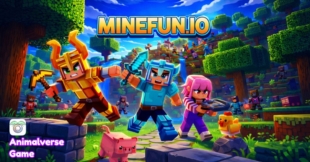
MineFun.io
Play MineFun.io a no-download, free Minecraft-like game. Join PvP|PvE battles in Bedwars, Skywars, Hide and Seek, and Parkour. Build, craft, and explore 0
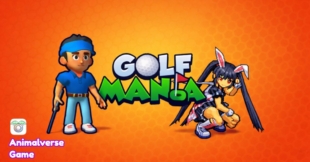
Golf Mania
Golf Mania is a fast-paced multiplayer golf game where precision meets strategy. You’ll aim, adjust, and strike across playful courses filled with clever. 0
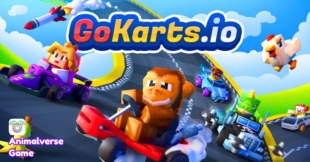
GoKarts.io
GoKarts.io is the ultimate kart racing and battle game. Play GoKarts io online and out-kart millions of players worldwide. 0
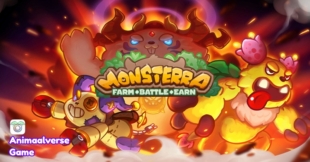
Monsterra Game
Monsterra game is the most prosperous empire raised by 5 different races of Mongens including Beast, Tectos, Mystic, Celest, and Chaos. 0

Racing Limits
Racing Limits is a racing game that lets you push your skills to the max. Race and overtake vehicles in city and highway traffic with four thrilling game modes. 0
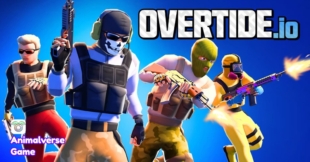
Overtide.io
Overtide.io on Animalverse is a free Multiplayer Online FPS Game. No Download needed! Become the #1 Overtide player today in this first-person shooter IO Overtide game. 0
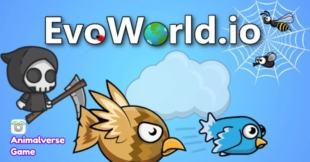
Evoworld.io
EvoWorld.io on Animalverse is the multiplayer survival game previously known as FlyOrDie.io. You start as a small fly and level up as you eat more food. 0
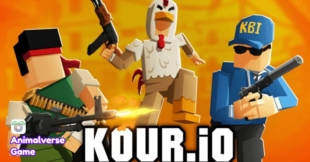
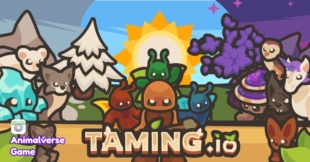
Cuberealm.io
CubeRealm.io on Animalverse is a captivating online block game inspired by classics like Minecraft and Terraria. In this immersive world, you’ll gather resources, craft tools 0
WormsZone.io
Start growing a WormsZone.io on Animalverse right now. Trying to get a real anaconda, a small worm never gets stuck in one place – he is ready to bite everyone. 0
Meeland.io
Meeland.io on Animalverse is a growing game-mode platform that invites you to build wealth through its lively Pet Tycoon experience. You’ll buy pets and eggs, earn steady … 0

Shell Shockers
Shell Shockers Game on Animalverse, the world’s best egg-based shooter! It’s like your favorite FPS battlefield game… with … 0
Smash Karts
Smash Karts on Animalverse is a free io Multiplayer Kart Battle Arena game. Drive fast. Fire rockets. Make big explosions. 0

Animalverse Popcat
Animalverse Popcat is an online clicking game that went viral worldwide in 2021, becoming one of the most talked-about “game memes” on social media. The game stands out for its simplicity 0
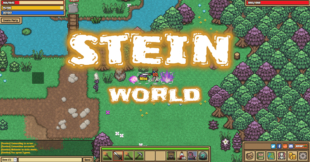
Stein world
The fantasy MMO game stein world is one of the first F2P multiplayer action browser based games with no download for PC, Android, MAC and Linux. 0
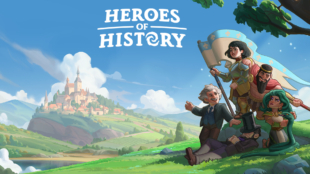
Heroes of History
Forge your city through time – from the stone age to the future in this strategic city-builder. Heroes of History Start a legendary journey through history and ancient cultures, as you collect powerful heroes from each era. 0
Venge Online
Play Venge.io, a fast-paced online FPS you can enjoy instantly in your browser. Choose your hero, upgrade abilities, use powerful weapons, and compete in intense real-time battles across dynamic maps—no download required, free on desktop and mobile. 0
Town of Salem
Play Town of Salem, an online multiplayer social deduction game where strategy, deception, and teamwork decide your fate. Take on unique roles, uncover hidden enemies, and outsmart other players in intense matches filled with mystery and betrayal. 0
Tribal Wars
Play Tribal Wars, a classic browser-based strategy game where you build villages, manage resources, train armies, and conquer enemies. Form alliances, plan tactical attacks, and expand your empire in a competitive medieval world—no download required. 0
Farmers World
Discover Farmers World, a blockchain-based farming game where you mine resources, craft tools, raise animals, and grow crops to earn rewards. Manage your land wisely, trade assets, and build your virtual farm empire in an immersive play-to-earn experience. 0
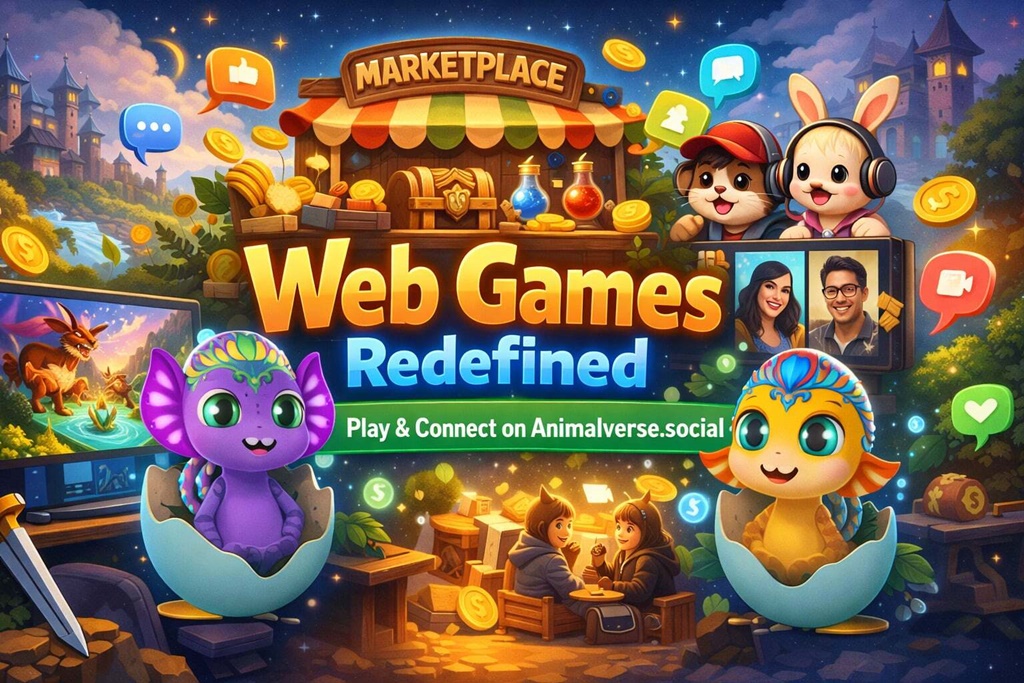
Animalverse Games
Web Games in the Era of Animalverse SocialFi The Future of Browser Games -Based Digital Economies
Introduction: The Evolution of Web Games
Web Games have transformed dramatically over the past two decades. What once began as simple Flash-based entertainment experiences embedded in websites has evolved into immersive, socially connected, blockchain-powered ecosystems. Today, Web Games are not just casual distractions; they are economic platforms, community hubs, and technological innovation centers.
In the era of Animalverse SocialFi, Web Games are entering a new paradigm where social interaction, decentralized finance, and browser accessibility merge into a unified experience. This transformation is redefining how players interact, earn, build, and participate in digital ecosystems.
This article explores the rise of Web Games, the role of Browser Games and Platform Games in their growth, and how Animalverse SocialFi is shaping the future of decentralized gaming economies.
What Are Web Games?
Web Games are games that are accessed and played through a web browser without requiring large downloads or dedicated installations. They operate using web technologies such as HTML5, WebGL, JavaScript, and cloud-based infrastructures.
Unlike traditional console or PC games, Web Games prioritize:
- Accessibility
- Instant play
- Cross-platform compatibility
- Lightweight performance
- Social integration
Because they require only a browser and an internet connection, Web Games eliminate hardware barriers and democratize participation.
The Rise of Browser Games
Browser Games are a core subset of Web Games. Historically, they were simple 2D games built in Flash. However, modern Browser Games now support real-time multiplayer environments, 3D graphics, and blockchain integration.
Key advantages of Browser Games include:
- Zero installation
- Immediate onboarding
- Cross-device compatibility
- Lower development cost
- Viral sharing potential
With HTML5 replacing Flash, Browser Games have become more secure, scalable, and graphically advanced. This evolution laid the foundation for SocialFi gaming ecosystems like Animalverse.
The Emergence of Platform Games in Web Ecosystems
Platform Games traditionally refer to games where players navigate characters across environments filled with obstacles and levels. However, in modern Web Game ecosystems, Platform Games also represent something broader: multi-layered digital environments that support user-generated content, economies, and social interaction.
Web-based platform ecosystems have gained global recognition through services like Roblox and Fortnite. These environments go beyond gameplay; they are social universes where players create, trade, and monetize experiences.
Animalverse SocialFi extends this concept by integrating decentralized ownership and financial tools directly into browser-native environments.
Web Games and the Shift Toward SocialFi
SocialFi, short for Social Finance, merges social networking with decentralized finance (DeFi). In the context of Web Games, this means:
- Players own in-game assets
- Social interactions generate value
- Communities influence governance
- Engagement becomes monetizable
Animalverse SocialFi leverages blockchain technology to turn gameplay into a participatory economy.
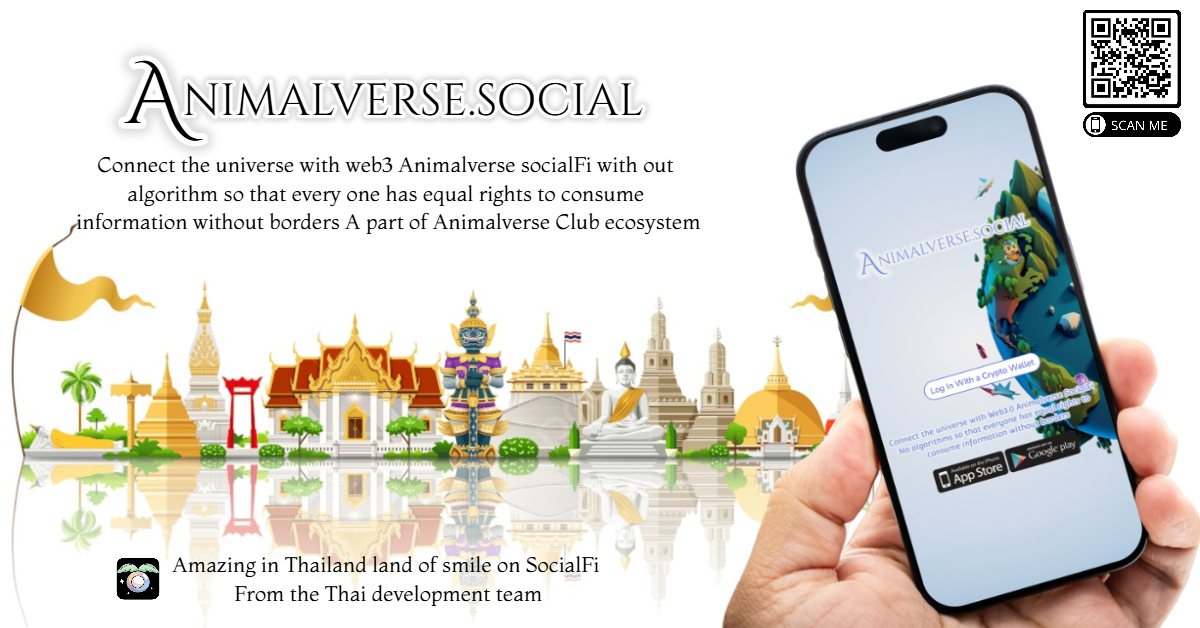
Introducing Animalverse SocialFi
Animalverse SocialFi represents a next-generation Web Game ecosystem that combines:
- Browser accessibility
- NFT-based ownership
- Social-driven rewards
- Community governance
- Play-and-earn models
Unlike traditional Web Games where developers maintain full control over assets, Animalverse empowers users through decentralized systems.
Players are not merely participants; they are stakeholders.
Technology Behind Modern Web Games
The growth of Web Games is fueled by advanced engines and infrastructure.
Game engines such as Unity and Unreal Engine now support WebGL exports, allowing high-quality 3D experiences to run directly in browsers.
Blockchain networks like Ethereum enable:
- Smart contracts
- NFT minting
- Token economies
- Decentralized governance
Together, these technologies make Web Games more immersive, secure, and economically dynamic than ever before.
Economic Models in Web Games
Traditional monetization models included:
- In-game ads
- Microtransactions
- Premium upgrades
However, Web Games in the SocialFi era introduce:
1. Play-and-Earn
Players earn tokens or NFTs for participation.
2. Social Mining
Community engagement generates rewards.
3. Asset Ownership
In-game items are tradeable digital assets.
4. Governance Participation
Token holders vote on platform changes.
Animalverse SocialFi integrates all four into a unified browser-accessible platform.
Why Browser Accessibility Matters
Browser accessibility ensures:
- Global reach
- Lower entry barriers
- No device exclusivity
- Seamless onboarding
This is crucial for Web3 adoption. Many users hesitate to download wallets or software. Browser-based Web Games reduce friction by integrating wallet connectivity directly within the experience.
Accessibility drives scalability.
Community as Infrastructure
In Animalverse SocialFi, community is not an afterthought—it is infrastructure.
Key community-driven features include:
- DAO governance systems
- Social leaderboards
- Referral reward mechanisms
- Collaborative gameplay
Web Games thrive when players feel ownership and belonging. SocialFi strengthens this by rewarding social contribution.
The Psychology of Web Games
Web Games succeed because they:
- Provide instant gratification
- Encourage competition
- Enable social bonding
- Create achievement loops
Adding financial incentives increases retention. When players earn value from time spent, engagement deepens.
However, sustainability requires balance. Animalverse focuses on utility-driven tokenomics rather than speculative inflation.
Web Games vs Traditional Games
| Feature | Traditional Games | Web Games (SocialFi Era) |
|---|---|---|
| Installation | Required | Not required |
| Ownership | Centralized | Decentralized |
| Monetization | Developer-driven | Community-driven |
| Accessibility | Hardware dependent | Browser-based |
| Governance | Closed | Token-based voting |
Web Games are shifting power from publishers to players.
Security and Transparency
Blockchain integration enhances:
- Asset verification
- Transparent transactions
- Immutable ownership records
Smart contracts reduce fraud risks common in centralized systems.
Animalverse SocialFi builds trust through open economic structures.
Interoperability and the Metaverse Vision
Modern Web Games are no longer isolated ecosystems. They are interconnected digital universes.
Interoperability enables:
- Cross-platform asset usage
- Shared identity systems
- Unified reputation scores
- Cross-game economies
Animalverse aims to create an interoperable digital habitat where assets maintain value beyond a single experience.
Challenges Facing Web Games
Despite rapid growth, challenges include:
- Scalability limitations
- Network congestion
- Token volatility
- Regulatory uncertainty
- User education gaps
Sustainable Web Games must prioritize long-term utility over short-term hype.
The Future of Web Games
The future of Web Games includes:
- AI-driven NPC interaction
- Fully decentralized governance
- Cross-chain interoperability
- Real-world asset tokenization
- Immersive browser 3D environments
As browser technology improves, performance gaps between native and web applications will shrink.
Animalverse SocialFi represents a convergence point between accessibility and economic empowerment.
Why Animalverse SocialFi Matters
Animalverse is not just another Web Game platform. It is:
- A social economy engine
- A decentralized digital playground
- A community-driven asset marketplace
- A governance-enabled ecosystem
By combining Browser Games convenience with Platform Games depth and SocialFi monetization, Animalverse introduces a sustainable, scalable Web Game architecture.
Conclusion: Web Games as the Gateway to Digital Ownership
Web Games are no longer simple entertainment tools. They are economic gateways, social networks, and decentralized innovation platforms.
With Browser Games lowering entry barriers and Platform Games expanding immersive potential, the integration of SocialFi through Animalverse reshapes digital participation.
The next generation of Web Games will not merely entertain. They will empower.
And in that transformation, Animalverse SocialFi stands at the frontier of a new browser-native, community-owned digital universe.
The Future of Web Games and Digital Ownership
The concept of Play to Earn has transformed the gaming industry, redefining how players interact with digital worlds. Unlike traditional gaming models where players spend money purely for entertainment, Play to Earn introduces an economic layer that allows users to generate real-world value through gameplay. In the modern landscape of Web Games, this model has gained significant traction, especially as blockchain technology and decentralized finance (DeFi) reshape digital economies.
This explores what Play to Earn means, how it works, why it is growing within Browser Games and Platform Games, and what the future holds for this revolutionary gaming model.
What Is Play to Earn?
Play to Earn (P2E) is a gaming model where players receive rewards—often in the form of cryptocurrencies, tokens, or NFTs—for participating in a game. These digital assets can sometimes be traded, sold, or used within broader ecosystems.
Traditional games operate under a “pay to play” or “free to play” model. In both systems, players spend time and money without gaining transferable ownership of in-game assets. Play to Earn changes this dynamic by introducing digital ownership.
Through blockchain technology, players can:
- Own in-game characters and items
- Earn tokens for completing missions
- Trade assets in open marketplaces
- Participate in governance decisions
This shift turns gaming into an interactive digital economy.
The Role of Web Games in Play to Earn
Web Games are uniquely positioned to support Play to Earn because of their accessibility. Since Web Games operate directly in browsers, they eliminate barriers like large downloads or high-end hardware requirements.
This frictionless onboarding is critical for blockchain adoption. Many users are hesitant to install complex software, but Browser Games make entry simple:
- Open a browser
- Connect a wallet
- Start playing
Because Web Games are cloud-based and cross-platform, they allow players worldwide to participate in decentralized gaming economies instantly.
Browser Games and Blockchain Integration
Modern Browser Games use technologies such as HTML5, WebGL, and WebAssembly to create interactive environments. When integrated with blockchain networks like Ethereum, BSC, Polygon, these games gain the ability to verify ownership and record transactions transparently.
Smart contracts enable:
- Automated reward distribution
- NFT minting
- Secure asset transfers
- Transparent economic systems
This technological integration makes Play to Earn sustainable when properly designed.
Browser Games are particularly effective for Play to Earn because they support quick engagement cycles. Short sessions, daily missions, and social interactions all create opportunities for reward mechanisms.
Platform Games and Expanding Digital Economies
Platform Games extend Play to Earn even further. Instead of isolated game experiences, platform-based ecosystems allow users to create, trade, and monetize content within a shared environment.
A well-known example of a gaming platform ecosystem is Roblox, where user-generated content drives economic activity. Although not originally blockchain-based, it demonstrates how Platform Games can support creator economies.
In blockchain-powered Platform Games, this concept expands into decentralized ownership. Players may:
- Create NFT-based assets
- Build virtual land
- Monetize experiences
- Earn governance tokens
Play to Earn becomes more than completing quests—it becomes participating in a digital society.
How Play to Earn Works
The Play to Earn model typically includes several core components:
1. Token Economy
Games issue native tokens that serve as rewards. These tokens may be used for upgrades, governance voting, or marketplace transactions.
2. NFTs (Non-Fungible Tokens)
Characters, skins, land, or tools may exist as NFTs, meaning players truly own them.
3. Marketplace Systems
Players can buy, sell, or trade digital assets either inside the game or on external marketplaces.
4. Staking and Governance
Some ecosystems allow players to stake tokens or vote on game development decisions.
Together, these components create a circular economy where engagement fuels value creation.
Advantages of Play to Earn
Play to Earn introduces several benefits compared to traditional gaming models:
- Digital Ownership: Players retain control over assets.
- Economic Opportunity: Time spent gaming can generate financial rewards.
- Community Participation: Governance systems empower users.
- Global Accessibility: Anyone with internet access can participate.
In developing regions, Play to Earn has even provided supplemental income opportunities, highlighting its economic potential.
Challenges and Sustainability
Despite its innovation, Play to Earn faces challenges:
- Token price volatility
- Inflationary reward structures
- Regulatory uncertainty
- Over-speculation
- Unsustainable emissions
Some early Play to Earn games struggled because rewards relied too heavily on new user growth rather than real utility.
Sustainable Web Games must balance supply and demand, ensuring tokens have long-term utility rather than short-term hype.
The Evolution Toward Play and Earn
Many industry experts now prefer the term “Play and Earn” rather than Play to Earn. This subtle shift emphasizes that gameplay should remain enjoyable first, with earning as a secondary benefit.
If financial incentives dominate too heavily, game quality may decline. Successful Play to Earn models prioritize:
- Engaging gameplay
- Balanced tokenomics
- Community governance
- Transparent economic design
The goal is long-term ecosystem health.
Why Web Games Are Ideal for the Future of Play to Earn
Web Games are the perfect infrastructure for Play to Earn because they combine:
- Instant accessibility
- Cross-platform compatibility
- Low entry barriers
- Seamless wallet integration
- Rapid updates
As browser technologies continue to improve, Web Games will likely host increasingly advanced Play to Earn ecosystems.
Platform Games operating within browsers may evolve into full digital metaverses where gaming, social networking, and decentralized finance coexist.
The Future Outlook
The Play to Earn model is still evolving. Future developments may include:
- AI-driven in-game economies
- Cross-game asset interoperability
- Multi-chain integrations
- Real-world asset tokenization
- Decentralized autonomous governance
As Web3 technology matures, Play to Earn will likely integrate more deeply into mainstream gaming.
Web Games, Browser Games, and Platform Games are no longer just entertainment—they are digital economic infrastructures.
Conclusion
Play to Earn represents a fundamental shift in how value is created and distributed within gaming ecosystems. By combining blockchain technology with Web Games, players gain ownership, economic participation, and governance influence.
Browser Games provide the accessibility needed for global adoption, while Platform Games expand economic depth through user-generated ecosystems.
The future of gaming is not only about playing—it is about participating, building, and owning.
Play to Earn is not simply a trend. It is the beginning of a new digital economy powered by Web Games on Animalverse
FAQ: Play to Earn, Web Games, Browser Games, and Platform Games
What is the future of Web Games?
Web Games are expected to grow significantly as browser technology improves and Web3 infrastructure becomes more user-friendly.
How are Web Games different from traditional games?
Web Games are played directly through a web browser without requiring large downloads or installations, unlike PC or console games.
What are Browser Games?
Browser Games are games that run inside internet browsers like Chrome, Edge, or Safari using technologies such as HTML5 and WebGL.
What are Platform Games in the Web3 context?
In Web3, Platform Games refer to gaming ecosystems where users can create content, trade digital assets, and participate in virtual economies—not just play through traditional levels.
How does Play to Earn work?
Players complete missions, compete in battles, or contribute to the ecosystem and receive rewards in the form of tokens or NFTs, which may hold real-world value.
Do I need cryptocurrency to play Play to Earn games?
Most Play to Earn games require a crypto wallet that supports networks like ETH, AVC, BNB, POL, USDT. However, many Web Games now simplify onboarding by offering built-in wallet creation.
Can you really earn money from Play to Earn games?
Yes, but earnings depend on the game’s economic structure, token value, market demand, and your level of participation.
What are the risks of Play to Earn?
Risks include token price volatility, unsustainable reward systems, regulatory uncertainty, and market speculation.
Are Web Games safe to play?
Safety depends on the platform. It is important to choose Web Games with transparent smart contracts, clear development teams, and strong security practices.
Are Browser Games better than downloadable games?
Browser Games offer instant access and convenience, but some high-end downloadable games may still provide more advanced graphics and performance.
Why are Web Games ideal for Play to Earn?
Web Games reduce barriers to entry because they run in browsers, making wallet integration and global participation much easier.
Where can I sell in-game assets?
You can sell assets in the game’s internal marketplace or on external Animalverse black marketplaces that support the same blockchain network.
Join our gang by purchasing the Animalverse Club NFT, which is the key to accessing a ton of benefits.
Animalverse SoicialFi is a web3 social media platform de signed to connect users around the world without the influence of algorithms, promoting equal access to information. The platform aims to create a decentralized environment where users can freely share and consume content and send crypto, which is fully consistent with the principles of blockchain technology. Let’s be a part of AVC ecosystem Community BlackMarketplace Groups Games Jobs Financial Blog News