South Korea’s Google Play Store will ban unregistered overseas cryptocurrency exchanges and software wallets from being listed or updated in the country.
Table of Contents
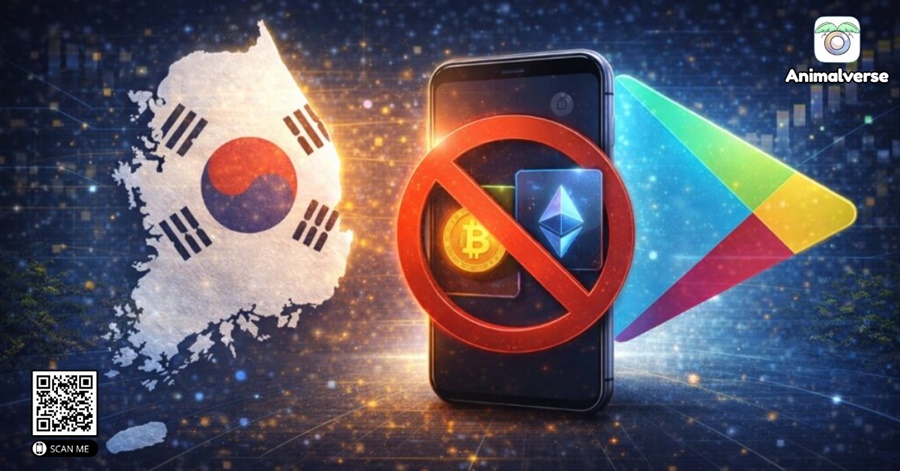
According to Google‘s official policy page on crypto exchanges and wallet providers, platforms and developers must register as a virtual asset service provider with the Korea Financial Intelligence Unit (FIU) to remain eligible on the app marketplace.

Due to this update, Android users in South Korea will no longer be able to download or update apps for unregistered overseas cryptocurrency exchanges, such as Binance, from the Google Play Store starting Jan. 28.
As of today, only 27 domestic platforms, including major exchanges Upbit and Bithumb, have completed registration with the FIU. Prominent global exchanges, such as Binance, Bybit, and OKX, have not registered with Korean authorities, meaning their apps will be effectively blocked from new installations and updates in the region’s Google Play Store.
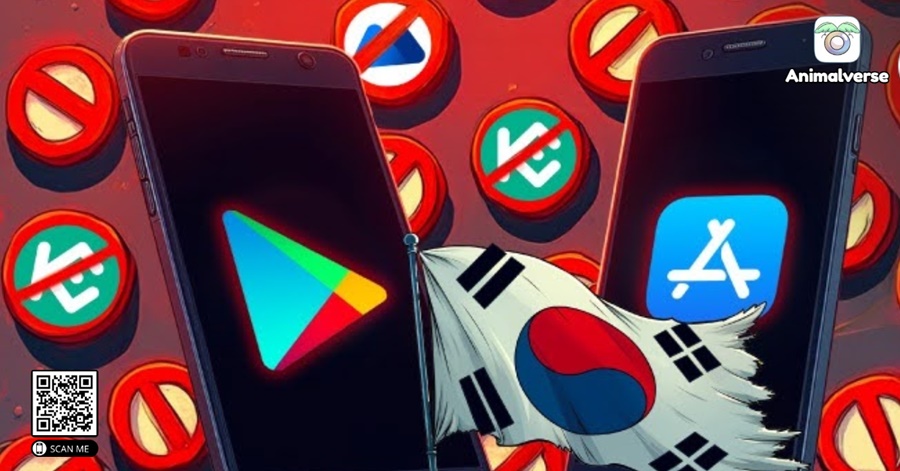
Impact after google play ban crypto exchange
Local media organization News1 reported that this may have a serious impact on global exchanges, noting that many South Korean retail investors rely on overseas platforms for higher leverage, arbitrage opportunities, and access to a wider range of token listings.
Digital Asset, a local news outlet, reported that South Korean crypto community members are circulating ways to bypass the upcoming Play Store ban, including the use of VPNs and downloading apps in APK format. However, the report noted that these workarounds significantly increase security risks for users.
South Korea maintains one of the largest and most active crypto markets globally, with over 10 million active users — roughly 20% of the country’s 50 million population.
According to official data from the Financial Services Commission, the South Korean crypto market had a capitalization of 95 trillion won ($64.6 billion) as of June 2025, with an average daily trading volume of $4.35 billion.
Google Play Ban Crypto Exchange Summary
South Korea’s Google Play ban crypto exchanges and wallet apps starting Jan. 28. To remain listed or updated, platforms must register as a Virtual Asset Service Provider with the Korea Financial Intelligence Unit (FIU).
Only 27 domestic exchanges, including Upbit and Bithumb, are currently registered.
Major global exchanges such as Binance, Bybit, and OKX are not registered and will be blocked from new installs and updates.
Registration is considered nearly impossible for overseas firms due to strict security and AML requirements.
Web-based access via browsers will still be available, though future restrictions are possible.
The move follows earlier bans on Korean-language support, local marketing, and KRW transactions by unregistered platforms.
Local media warn of significant impact, as many Korean investors use overseas exchanges for leverage and wider token access.
Some users are discussing workarounds like VPNs and APKs, which raise security risks.
South Korea has over 10 million crypto users and a market cap of about $64.6 billion as of June 2025.
Join our gang by purchasing the Animalverse Club NFT, which is the key to accessing a ton of benefits.
Animalverse SoicialFi is a web3 social media platform de signed to connect users around the world without the influence of algorithms, promoting equal access to information. The platform aims to create a decentralized environment where users can freely share and consume content and send crypto, which is fully consistent with the principles of blockchain technology. Let’s be a part of AVC ecosystem Community BlackMarketplace Groups Games Jobs Financial Blog News
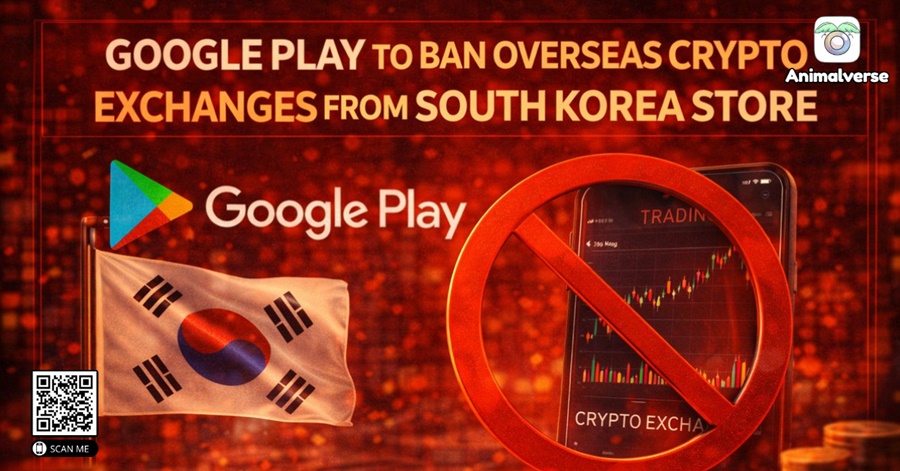
FAQ: Google Play Ban on Overseas Crypto Exchanges in South Korea
What is Google Play changing in South Korea?
Google Play will block unregistered overseas crypto exchanges and wallet apps.
When does the ban take effect?
January 28.
Which apps are affected?
Overseas cryptocurrency exchanges and software wallet applications.
What is the main requirement to stay listed?
Registration as a Virtual Asset Service Provider (VASP).
Which authority handles registration?
The Korea Financial Intelligence Unit (FIU).
How many platforms are currently registered?
27 domestic platforms.
Which major Korean exchanges are registered?
Upbit and Bithumb.
Which global exchanges are affected?
Binance, Bybit, OKX, and others.
Can users still download these apps from Google Play?
No, new downloads will be blocked.
Can existing users update the apps?
No, updates will also be restricted.
Will the apps stop working entirely?
No, but they cannot be updated via Google Play.
Is web-based access still available?
Yes, via desktop and mobile browsers.
Could web access be restricted in the future?
Yes, it is possible.
Will Apple’s App Store be affected as well?
Potentially, but no official decision yet.
Why is registration difficult for overseas exchanges?
It requires strict security and anti-money laundering compliance.
Has South Korea restricted foreign exchanges before?
Yes.
What previous restrictions were imposed?
Bans on Korean-language support, local marketing, and KRW transactions.
How does this impact Korean investors?
They will have fewer platform and token options.
Why do Korean users prefer overseas exchanges?
For higher leverage, arbitrage, and more token listings.
How are local media viewing the impact?
As potentially severe for global exchanges.
Are users discussing ways to bypass the ban?
Yes.
What bypass methods are being discussed?
VPN usage and manual APK downloads.
Are these workarounds safe?
No, they carry significant security risks.
What risks come with APK downloads?
Malware, hacking, and data theft.
What is the government’s main objective?
Consumer protection and prevention of money laundering.
How large is South Korea’s crypto user base?
Over 10 million active users.
What percentage of the population is that?
Around 20%
What is the size of South Korea’s crypto market?
About 95 trillion won (approximately $64.6 billion).
What is the average daily trading volume?
Around $4.35 billion.
What is the long-term outlook for crypto regulation in South Korea?
Stricter regulation and stronger enforcement are expected.