

Nice Betta Thailand.CO.,LTD
@0xa7171ebba801bd10a5ce7a061d6e80c044d0e075
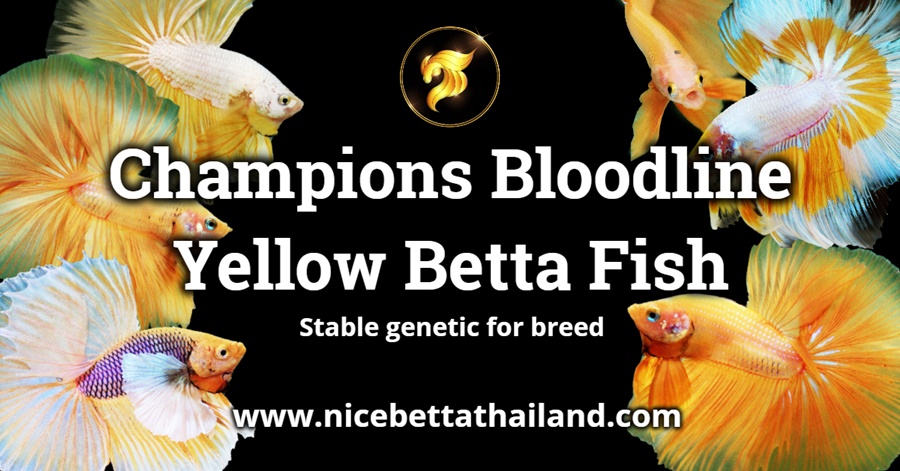
Yellow Betta Fish: The Golden Beauty of Siam A Complete Guide by Nice Betta Thailand
Yellow Betta Fish, often described as the “Golden Gems of Siam,” are among the most captivating varieties of Betta splendens in the global ornamental fish market. With their radiant coloration, elegant fins, and symbolic association with prosperity and positivity, yellow bettas have gained immense popularity among collectors, breeders, and aquarists worldwide.
At Nice Betta Thailand, we specialize in breeding premium-quality yellow betta fish that represent the highest standards of genetics, coloration, health, and beauty. This comprehensive guide explores everything you need to know about yellow bettas—from their origins and genetics to care, breeding, and market value.
Origin of Yellow Betta Fish in Thailand
Thailand, formerly known as Siam, is the birthplace of Betta splendens. For centuries, Thai breeders have selectively developed bettas for color, fin shape, and temperament. Yellow bettas are a relatively modern achievement, refined through advanced selective breeding techniques.
Early yellow bettas often displayed uneven coloration or unwanted red pigmentation. Through decades of careful line breeding, Thai breeders—especially premium farms like Nice Betta Thailand—have succeeded in producing pure, solid, and vibrant yellow bettas with stable genetics.
The Meaning and Symbolism of Yellow Betta Fish
Yellow is a powerful color in many cultures:
Prosperity and wealth in Asian traditions
Happiness and optimism in Western cultures
Royalty and prestige in Thai symbolism
Owning a yellow betta fish is often associated with good fortune, success, and positive energy—making them highly desirable both as pets and collector’s items.
Types of Yellow Betta Fish
1. Solid Yellow Betta
A true solid yellow betta has no red, black, or blue contamination. This is the rarest and most valuable type.
2. Mustard Yellow Betta
Features yellow fins with a darker body, often blue or black. Popular but genetically different from solid yellow lines.
3. Fancy Yellow Betta
A combination of yellow with marble, butterfly, or koi patterns.
4. Metallic Yellow Betta
Displays a shimmering metallic overlay, creating a gold-like appearance.
At Nice Betta Thailand, our focus is on high-grade solid yellow and fancy yellow bettas for international export.
Genetics Behind Yellow Betta Fish
Yellow coloration in bettas is genetically complex. It involves:
Non-red (nr) genes
Reduced erythrophores
Selective suppression of red pigments
Achieving a stable yellow line requires:
Multiple generations of selective breeding
Elimination of red wash
Careful pairing of parent stock
Our breeding program at Nice Betta Thailand emphasizes genetic stability, ensuring consistent coloration across generations.
Popular Fin Types in Yellow Betta Fish
Yellow bettas are available in all major fin types:
Halfmoon Yellow Betta – Most popular and elegant
Plakat Yellow Betta – Strong, active, and ideal for breeding
Crowntail Yellow Betta – Unique spiky fin rays
Double Tail Yellow Betta – Symmetrical and rare
Giant Yellow Betta – Large size with impressive presence
Each fin type highlights yellow coloration differently, and our farm carefully selects lines that maximize visual impact.
Yellow Betta Fish Care Guide
Tank Setup
Minimum tank size: 5 gallons
Temperature: 25–28°C (77–82°F)
pH: 6.5–7.5
Gentle filtration
Lighting
Proper lighting enhances yellow coloration. Full-spectrum LED lights are recommended.
Diet
A high-quality diet ensures vibrant color:
Live food (brine shrimp, daphnia)
Frozen bloodworms
Premium betta pellets
At Nice Betta Thailand, all broodstock are fed a color-enhancing, protein-rich diet.
Health and Longevity
With proper care, yellow betta fish live 3–5 years. Strong genetics and clean water are key factors.
Common health issues:
Fin rot
Ich
Stress-related fading
Our export bettas undergo strict health checks before international shipping.
Breeding Yellow Betta Fish
Breeding yellow bettas is considered advanced-level breeding.
Key Challenges
Red color reappearing
Uneven yellow shades
Weak fry survival rates
Breeding Process
Select high-quality yellow parents
Condition with live food
Controlled spawning environment
Intensive fry selection
Nice Betta Thailand invests significant time and expertise to maintain elite yellow bloodlines.
Why Yellow Betta Fish Fade in Color
Color fading may occur due to:
Stress
Poor diet
Low-quality genetics
Aging
Premium genetics, such as those from Nice Betta Thailand, greatly reduce the risk of color loss.
Yellow Betta Fish in the Global Market
Yellow bettas are highly sought after in:
United States
Europe
Japan
China
Middle East
Prices vary depending on:
Color purity
Fin type
Size
Bloodline
High-grade solid yellow bettas from Thailand can command premium prices in the international market.
Why Choose Nice Betta Thailand
Nice Betta Thailand is a trusted name among global betta enthusiasts.
Our Strengths:
Located in Thailand – the heart of betta breeding
Specialized in premium and export-grade bettas
Strong yellow genetics
Ethical breeding practices
Worldwide shipping experience
Every yellow betta from our farm reflects quality, passion, and Thai breeding excellence.
Conclusion Yellow Betta Fish
Yellow betta fish are more than just ornamental fish—they are living art, cultural symbols, and products of decades of selective breeding mastery. Whether you are a collector, breeder, or hobbyist, choosing a high-quality yellow betta makes all the difference.
At Nice Betta Thailand, we are proud to deliver world-class yellow betta fish that embody beauty, health, and genetic excellence—straight from Thailand to the world.
FAQ – Yellow Betta Fish | Nice Betta Thailand
1. What is a Yellow Betta Fish?
A Yellow Betta Fish is a selectively bred Betta splendens that displays a yellow or golden body and fins. High-quality yellow bettas have clean, vibrant coloration with minimal red or dark pigment.
2. Are Yellow Betta Fish natural or man-made?
Yellow bettas are not found in nature. They are the result of decades of selective breeding, mainly developed by experienced breeders in Thailand.
3. Why are Yellow Betta Fish so popular?
Yellow bettas are popular because of their bright, cheerful color, rarity, and symbolic meaning of wealth, happiness, and positive energy.
4. Are solid yellow bettas rare?
Yes. True solid yellow bettas with no red or dark contamination are considered rare and are highly valued in the international betta market.
5. What is the difference between Yellow Betta and Mustard Betta?
A Yellow Betta has a fully yellow body and fins, while a Mustard Betta usually has a dark body with yellow fins. They are genetically different lines.
6. Which fin type is best for Yellow Betta Fish?
Halfmoon and Plakat are the most popular fin types for yellow bettas because they showcase color intensity and body shape very well.
7. How long do Yellow Betta Fish live?
With proper care, yellow betta fish typically live between 3 to 5 years.
8. Do Yellow Betta Fish need special care?
Their care is similar to other bettas, but maintaining clean water and a high-quality diet is essential to preserve vibrant yellow coloration.
9. What tank size is best for Yellow Betta Fish?
A minimum tank size of 5 gallons is recommended to reduce stress and maintain stable water conditions.
10. What food is best for enhancing yellow color?
High-protein foods such as live brine shrimp, daphnia, frozen bloodworms, and premium betta pellets help enhance and maintain yellow coloration.
11. Why does my Yellow Betta lose color?
Color fading can be caused by stress, poor water quality, low-quality food, or weak genetics.
12. Are Yellow Betta Fish aggressive?
Like all Betta splendens, yellow bettas can be territorial. They should be kept alone unless in a controlled breeding environment.
13. Can Yellow Betta Fish be bred easily?
Breeding yellow bettas is considered advanced due to genetic challenges, including unwanted red pigment appearing in offspring.
14. What water temperature is best for Yellow Betta Fish?
The ideal temperature range is 25–28°C (77–82°F).
15. Are Yellow Betta Fish good for beginners?
Yes, they are suitable for beginners as long as proper care guidelines are followed.
16. How can I tell if a Yellow Betta is high quality?
High-quality yellow bettas have even coloration, strong body structure, healthy fins, active behavior, and stable swimming patterns.
17. Do Yellow Betta Fish change color as they age?
Some color changes may occur with age, but premium genetics help maintain stable coloration throughout their lifespan.
18. Are Yellow Betta Fish expensive?
Prices vary depending on color purity, fin type, size, and bloodline. High-grade yellow bettas are usually more expensive than common bettas.
19. Can Yellow Betta Fish be shipped internationally?
Yes. Nice Betta Thailand specializes in safe and professional international shipping of yellow betta fish.
20. Why buy Yellow Betta Fish from Nice Betta Thailand?
Nice Betta Thailand offers premium genetics, professional breeding, strict quality control, and worldwide export experience directly from Thailand.
- There are no comments on this media yet.