
Rare Betta Fish The Ultimate Guide to Exotic and Valuable By Nice Betta Thailand When it comes to Best quality betta fish, there’s no better place to find championship quality than Thailand. And when it comes to finding the very best Betta fish breeders in Thailand, we’ve got you covered. Our selection of Rare Betta Fish for sale comes from our farm with legendary breeders more than 20 years experiens in the country, including those who have bred championship-winning fish. Each one is handpicked for its superior quality, stunning colors, and exquisite patterns. Nice Betta Thailand the original betta farm over 20 years Rare betta fish are one of unique betta different from other and beautiful and vibrant variety of betta fish known for their unique and new colors. These fish are native to Southeast Asia (Thailand) and are often kept as pets due to their relatively easy care requirements and beautiful appearance. Rare betta fish not easy to find. Nice Betta Thailand almost find from more than 2000-3000 jar for find some rare betta fish. They also have long, flowing fins that can vary in size and shape depending on the specific variety. Rare betta fish are generally peaceful and can be kept in a community tank with other non-aggressive fish, as long as they have enough space to swim and hide. However, it’s important to remember that betta fish are territorial and may become aggressive towards other male betta fish, so it’s best to keep them in a single-species tank or with other non-aggressive fish. If you’re looking to add a pop of color and vibrancy to your aquarium, a rare betta fish might be the perfect choice. Just make sure to research their care requirements and make sure you have the necessary equipment and supplies before bringing one home. Nice Betta Thailand is the best place to find rare bettas and good genetic gurantee from biggest competition with IBC standard our farm are top 3 every years Rare betta fish are among the most captivating and valuable freshwater fish in the aquarium hobby. With their dazzling colors, unique patterns, and elegant fin structures, these extraordinary Siamese fighting fish have become highly desirable for collectors, breeders, and aquarists worldwide. Unlike common bettas found in pet stores, rare betta fish are often the result of selective breeding, rare genetics, or wild-type lineage, making each specimen truly unique. In this comprehensive guide, we will explore what makes betta fish rare, the most sought-after rare betta varieties, how to care for them properly, and why their value continues to rise in the global aquarium market. What Are Rare Betta Fish? Rare betta fish are bettas that possess uncommon genetic traits, colors, patterns, or fin types that are not easily reproduced. These fish are often bred by experienced breeders who focus on enhancing specific characteristics such as metallic scales, marble coloration, or wild-type features. A betta fish may be considered rare due to: Limited availability or production Unusual or unstable color genes Hybrid or wild betta genetics Competition-grade quality High demand among collectors Because of these factors, rare betta fish are often more expensive and require higher care standards than standard bettas. The Growing Popularity of Rare Betta Fish Over the past decade, the popularity of rare betta fish has increased dramatically. Social media platforms, online betta auctions, and international fish competitions have exposed aquarists to stunning new betta varieties. As a result, rare betta fish are now viewed not only as pets but also as living art and long-term investments. Collectors often seek rare betta fish for: Unique visual appeal Breeding potential Show and competition purposes Exclusive aquarium displays This growing interest has contributed to the rising value of high-quality rare betta fish worldwide. Popular Types of Rare Betta Fish There are many types of rare betta fish, each with its own distinctive characteristics. Below are some of the most sought-after varieties in the aquarium community. 1. Killer Shadow Black Star Samurai (Longfin) Killer Shadow Black Star is one of the rarest betta fish currently available due to its intensely dark and aggressive coloration, perfectly contrasted with platinum-colored scales. It resembles the Killer Whale, and this breed is exclusively available at Nice Betta Thailand (beware of imitations). 2. Mermaid or Merman Betta Fish Mermaid betta fish, or merman betta fish, are characterized by strikingly contrasting colors, particularly on the body, which is usually one color regardless of its color, while the lower half of the body is a completely different color. The scales on the lower half must clearly contrast with the body color. These are considered very rare to find nowadays. 3. Vampire Betta Fish This betta fish is a development of the Killer Shadow Black Samurai, but with a much deeper red color contrasted with platinum white scales on its body. Currently, it is sold exclusively at Nice Betta Thailand. 4. Helmet Betta Fish Betta fish with scales covering their heads in a striking contrast to their body color, resembling a mask, are not easy to find. 5. Scarf Betta Fish This betta fish has distinctly contrasting stripes along its neck, body, and head, giving it the appearance of wearing a scarf. 6. Wild-Type Rare Betta Fish Wild betta species such as Betta mahachaiensis, Betta imbellis, and Betta smaragdina are considered rare due to their natural habitats and limited availability. These fish showcase natural coloration and behavior not seen in domestic bettas. Why wild bettas are rare: Restricted natural habitats Conservation concerns Specialized care requirements Wild-type rare betta fish are ideal for experienced aquarists seeking authenticity and natural beauty. How to Identify High-Quality Rare Betta Fish Not all bettas labeled as “rare” meet true rarity standards. To identify genuine rare betta fish, consider the following factors: Symmetrical fins and strong body shape Vibrant and consistent coloration Clear eyes and healthy movement Proven lineage or breeder reputation Competition-grade standards Purchasing from reputable breeders or verified sellers helps ensure authenticity and quality. Care Requirements for Rare Betta Fish Rare betta fish require careful attention to maintain their health, coloration, and longevity. Poor care can quickly diminish their beauty and value. Ideal Tank Setup Minimum tank size: 5–10 gallons Temperature: 76–82°F (24–28°C) pH level: 6.5–7.5 Gentle filtration with low flow Water Quality Clean water is essential for rare betta fish. Regular water changes (20–30% weekly) help prevent disease and maintain vibrant colors. Diet and Nutrition A balanced diet is crucial for rare betta fish: High-quality betta pellets Frozen or live foods (bloodworms, brine shrimp, daphnia) Occasional treats for color enhancement Avoid overfeeding, as it can lead to health issues. Breeding Rare Betta Fish Breeding rare betta fish is both challenging and rewarding. Many breeders aim to preserve or improve rare traits while maintaining fish health. Important breeding considerations: Genetic compatibility Color and fin stability Fry survival rate Ethical breeding practices Successful breeding can produce valuable offspring and contribute to the development of new rare betta fish varieties. The Market Value of Rare Betta Fish Rare betta fish prices vary significantly depending on quality, rarity, and lineage. Entry-level rare bettas may cost a moderate amount, while show-grade or breeder-quality specimens can reach very high prices. Factors affecting price: Color intensity and uniqueness Fin shape and symmetry Breeder reputation Competition awards Many collectors view rare betta fish as long-term investments rather than simple pets. Common Mistakes When Keeping Rare Betta Fish To protect your investment and ensure fish health, avoid these common mistakes: Housing bettas in small containers Poor water maintenance Overcrowding tanks Mixing aggressive tank mates Inconsistent feeding schedules Proper knowledge and preparation are key to success. Why Rare Betta Fish Are Worth the Investment Rare betta fish offer more than just beauty. They represent years of selective breeding, artistic expression, and biological uniqueness. Owning a rare betta fish allows aquarists to experience the highest level of the betta hobby. Benefits include: Exclusive appearance Personal satisfaction Breeding opportunities Prestige among collectors Conclusion Rare betta fish are a remarkable blend of nature, genetics, and artistry. Their extraordinary colors, patterns, and personalities make them stand out in the aquarium world. Whether you are a dedicated collector, an aspiring breeder, or a passionate hobbyist, rare betta fish provide an unmatched and rewarding experience. With proper care, ethical breeding, and informed purchasing, rare betta fish will continue to thrive and captivate aquarists for generations to come.

rare-betta-fish-the-ultimate-guide-to-exotic-and-valuable-by-nice-betta-thailand-when-it-comes-to-best-quality-betta-fish-theres-no-better-place-to-find-championship-quality-than-thailand-a

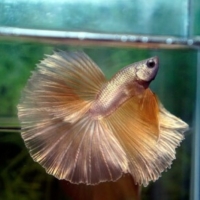
Rare Betta Fish The Ultimate Guide to Exotic and Valuable By Nice Betta Thailand
When it comes to Best quality betta fish, there’s no better place to find championship quality than Thailand. And when it comes to finding the very best Betta fish breeders in Thailand, we’ve got you covered. Our selection of Rare Betta Fish for sale comes from our farm with legendary breeders more than 20 years experiens in the country, including those who have bred championship-winning fish. Each one is handpicked for its superior quality, stunning colors, and exquisite patterns. Nice Betta Thailand the original betta farm over 20 years

Rare betta fish are one of unique betta different from other and beautiful and vibrant variety of betta fish known for their unique and new colors. These fish are native to Southeast Asia (Thailand) and are often kept as pets due to their relatively easy care requirements and beautiful appearance. Rare betta fish not easy to find. Nice Betta Thailand almost find from more than 2000-3000 jar for find some rare betta fish. They also have long, flowing fins that can vary in size and shape depending on the specific variety. Rare betta fish are generally peaceful and can be kept in a community tank with other non-aggressive fish, as long as they have enough space to swim and hide. However, it’s important to remember that betta fish are territorial and may become aggressive towards other male betta fish, so it’s best to keep them in a single-species tank or with other non-aggressive fish. If you’re looking to add a pop of color and vibrancy to your aquarium, a rare betta fish might be the perfect choice. Just make sure to research their care requirements and make sure you have the necessary equipment and supplies before bringing one home.

Nice Betta Thailand is the best place to find rare bettas and good genetic gurantee from biggest competition with IBC standard our farm are top 3 every years

Rare betta fish are among the most captivating and valuable freshwater fish in the aquarium hobby. With their dazzling colors, unique patterns, and elegant fin structures, these extraordinary Siamese fighting fish have become highly desirable for collectors, breeders, and aquarists worldwide. Unlike common bettas found in pet stores, rare betta fish are often the result of selective breeding, rare genetics, or wild-type lineage, making each specimen truly unique.

In this comprehensive guide, we will explore what makes betta fish rare, the most sought-after rare betta varieties, how to care for them properly, and why their value continues to rise in the global aquarium market.

What Are Rare Betta Fish?
Rare betta fish are bettas that possess uncommon genetic traits, colors, patterns, or fin types that are not easily reproduced. These fish are often bred by experienced breeders who focus on enhancing specific characteristics such as metallic scales, marble coloration, or wild-type features.

A betta fish may be considered rare due to:

Limited availability or production
Unusual or unstable color genes
Hybrid or wild betta genetics
Competition-grade quality
High demand among collectors
Because of these factors, rare betta fish are often more expensive and require higher care standards than standard bettas.

The Growing Popularity of Rare Betta Fish
Over the past decade, the popularity of rare betta fish has increased dramatically. Social media platforms, online betta auctions, and international fish competitions have exposed aquarists to stunning new betta varieties. As a result, rare betta fish are now viewed not only as pets but also as living art and long-term investments.

Collectors often seek rare betta fish for:

Unique visual appeal
Breeding potential
Show and competition purposes
Exclusive aquarium displays
This growing interest has contributed to the rising value of high-quality rare betta fish worldwide.

Popular Types of Rare Betta Fish
There are many types of rare betta fish, each with its own distinctive characteristics. Below are some of the most sought-after varieties in the aquarium community.

1. Killer Shadow Black Star Samurai (Longfin)
Killer Shadow Black Star is one of the rarest betta fish currently available due to its intensely dark and aggressive coloration, perfectly contrasted with platinum-colored scales. It resembles the Killer Whale, and this breed is exclusively available at Nice Betta Thailand (beware of imitations).

2. Mermaid or Merman Betta Fish
Mermaid betta fish, or merman betta fish, are characterized by strikingly contrasting colors, particularly on the body, which is usually one color regardless of its color, while the lower half of the body is a completely different color. The scales on the lower half must clearly contrast with the body color. These are considered very rare to find nowadays.

3. Vampire Betta Fish
This betta fish is a development of the Killer Shadow Black Samurai, but with a much deeper red color contrasted with platinum white scales on its body. Currently, it is sold exclusively at Nice Betta Thailand.

4. Helmet Betta Fish
Betta fish with scales covering their heads in a striking contrast to their body color, resembling a mask, are not easy to find.

5. Scarf Betta Fish
This betta fish has distinctly contrasting stripes along its neck, body, and head, giving it the appearance of wearing a scarf.

6. Wild-Type Rare Betta Fish
Wild betta species such as Betta mahachaiensis, Betta imbellis, and Betta smaragdina are considered rare due to their natural habitats and limited availability. These fish showcase natural coloration and behavior not seen in domestic bettas.

Why wild bettas are rare:

Restricted natural habitats
Conservation concerns
Specialized care requirements
Wild-type rare betta fish are ideal for experienced aquarists seeking authenticity and natural beauty.

How to Identify High-Quality Rare Betta Fish
Not all bettas labeled as “rare” meet true rarity standards. To identify genuine rare betta fish, consider the following factors:

Symmetrical fins and strong body shape
Vibrant and consistent coloration
Clear eyes and healthy movement
Proven lineage or breeder reputation
Competition-grade standards
Purchasing from reputable breeders or verified sellers helps ensure authenticity and quality.

Care Requirements for Rare Betta Fish
Rare betta fish require careful attention to maintain their health, coloration, and longevity. Poor care can quickly diminish their beauty and value.

Ideal Tank Setup
Minimum tank size: 5–10 gallons
Temperature: 76–82°F (24–28°C)
pH level: 6.5–7.5
Gentle filtration with low flow
Water Quality
Clean water is essential for rare betta fish. Regular water changes (20–30% weekly) help prevent disease and maintain vibrant colors.

Diet and Nutrition
A balanced diet is crucial for rare betta fish:

High-quality betta pellets
Frozen or live foods (bloodworms, brine shrimp, daphnia)
Occasional treats for color enhancement
Avoid overfeeding, as it can lead to health issues.

Breeding Rare Betta Fish
Breeding rare betta fish is both challenging and rewarding. Many breeders aim to preserve or improve rare traits while maintaining fish health.

Important breeding considerations:

Genetic compatibility
Color and fin stability
Fry survival rate
Ethical breeding practices
Successful breeding can produce valuable offspring and contribute to the development of new rare betta fish varieties.

The Market Value of Rare Betta Fish
Rare betta fish prices vary significantly depending on quality, rarity, and lineage. Entry-level rare bettas may cost a moderate amount, while show-grade or breeder-quality specimens can reach very high prices.

Factors affecting price:

Color intensity and uniqueness
Fin shape and symmetry
Breeder reputation
Competition awards
Many collectors view rare betta fish as long-term investments rather than simple pets.

Common Mistakes When Keeping Rare Betta Fish
To protect your investment and ensure fish health, avoid these common mistakes:

Housing bettas in small containers
Poor water maintenance
Overcrowding tanks
Mixing aggressive tank mates
Inconsistent feeding schedules
Proper knowledge and preparation are key to success.

Why Rare Betta Fish Are Worth the Investment
Rare betta fish offer more than just beauty. They represent years of selective breeding, artistic expression, and biological uniqueness. Owning a rare betta fish allows aquarists to experience the highest level of the betta hobby.

Benefits include:

Exclusive appearance
Personal satisfaction
Breeding opportunities
Prestige among collectors
Conclusion
Rare betta fish are a remarkable blend of nature, genetics, and artistry. Their extraordinary colors, patterns, and personalities make them stand out in the aquarium world. Whether you are a dedicated collector, an aspiring breeder, or a passionate hobbyist, rare betta fish provide an unmatched and rewarding experience.

With proper care, ethical breeding, and informed purchasing, rare betta fish will continue to thrive and captivate aquarists for generations to come.