
Forbes
@0x571c7fbd85f5478b6feaec59afd40b353b8843bb
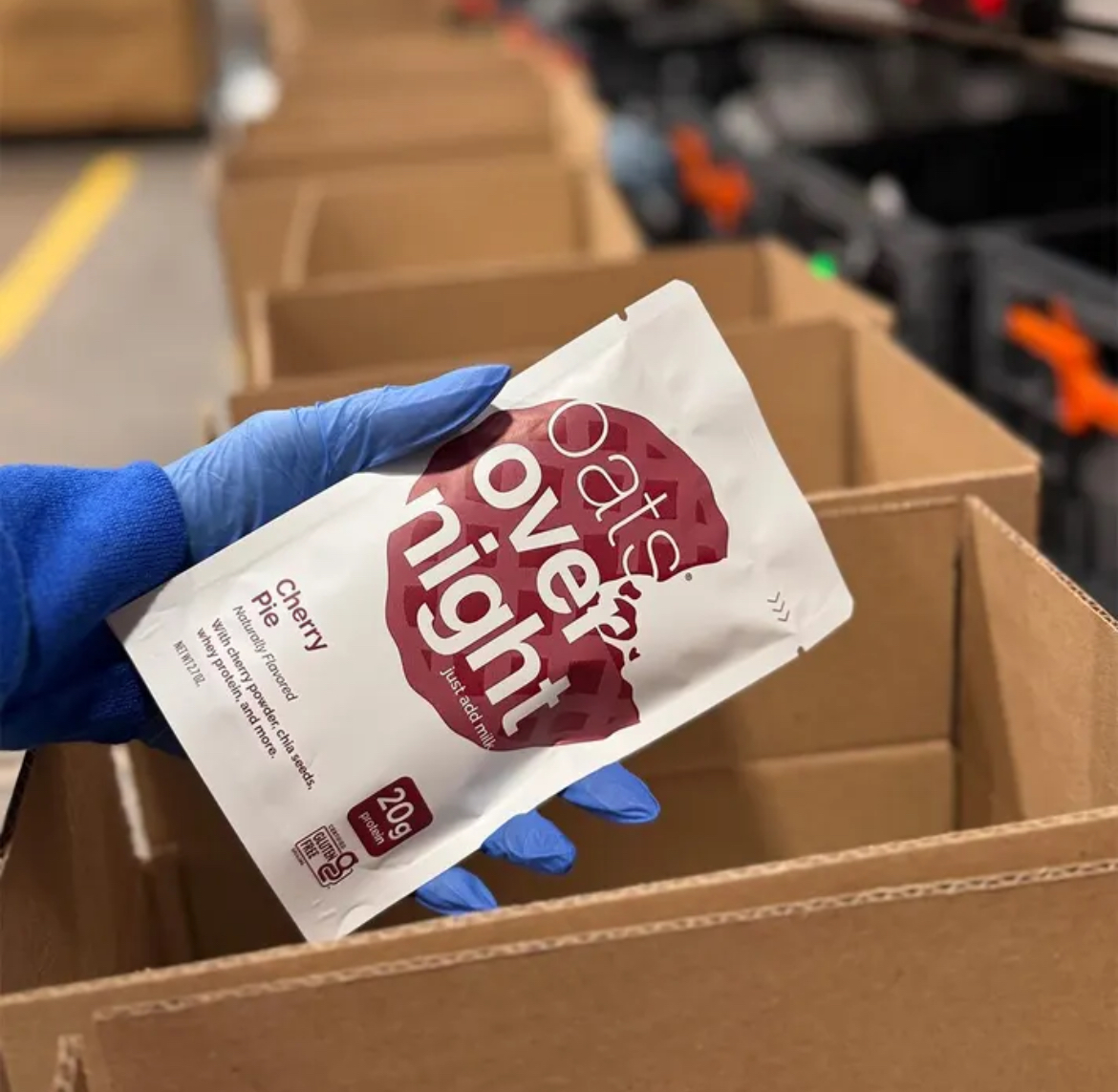
This Entrepreneur Made A Small Fortune Playing Poker. Then He Gambled It On Oatmeal Brian Tate cashed in his winnings to fund the food that fueled his card-playing career. Now Oats Overnight is raking in more than $200 million a year. Before founding on-the-go breakfast company Oats Overnight, Brian Tate spent most of his twenties as a professional poker player, frequently entering No-Limit events in Las Vegas casinos and playing private cash games around the country. By the time he retired from the scene at 29, he claims to have banked nearly $10 million in winnings. That’s when he started dreaming up his next big score. “There wasn't anywhere else to go with poker. I was at the highest level and I wanted another mountain to climb,” he says. Much to his poker buddies’ amazement, he focused on the food he relied on during some of those marathon poker sessions. “Efficiency is really the passion here,” says Tate, who is now 38. “With poker, you're running to different games, you're sitting at a table for 12-plus hours a day. It's really important to eat well.” So, in 2016, he searched the market for a pre-made version of his homemade oatmeal shakes, and when he couldn’t find one, he bet $500,000 of his winnings to set up a manufacturing facility in Tempe, Arizona, for what became Oats Overnight. “I was pretty shocked that it didn't exist because I was enjoying this so much. I thought I should share it with the world. I thought it should exist,” says Tate, who is the CEO and owns just under 50% of the Phoenix-based company. Tate used his initial investment to lease equipment, produce the first batch of inventory, and pay salaries to his team, which was literally friends and family—two poker pals handling in-house manufacturing and his mom, Diane Tate, who was in charge of fulfillment: “If we made 500 units a day,” she recalls, “we were thrilled with that.” Tate would then personally drive orders to the post office in the trunk of his car. He bootstrapped the company for the first three years with his poker winnings. Oats Overnight launched in 2016 with three flavors: chocolate, strawberry, and green apple. The oatmeal, mixed with 20 grams of protein and flavorings, is intended to be shaken with milk, left to cool in the refrigerator overnight, and consumed the next morning. It was an attempt to popularize an old take on oatmeal through convenience. “I thought he had genuinely lost his mind,” says longtime poker pal Thomas Keller, who is now the director of e-commerce for the company, “I didn't know anyone who ate cold oatmeal.” But consumers seem to love it. This year, Oats Overnight will bring in more than $200 million in revenue and Forbes estimates the company, which has struggled with profitability, to be worth $350 million. Tate launched the company as a direct-to-consumer brand, and within two years adopted a monthly subscription model. "Retention is everything,” he says. “The question is, how do you get a customer to build this into their lifestyle?” The company incentivizes website visitors to subscribe by offering a free branded Oats Overnight shaker with their first order as well as a one-time 25% discount. A 16-packet box costs $60, but new subscribers pay $45. Today, the company has 300,000 active subscribers, accounting for 90% of e-commerce sales. “That's pretty good growth, especially because packaged food in general has been struggling with volume since the pandemic,” says Kristoffer Inton, a senior consumer analyst at Morningstar who covers breakfast giant General Mills. But Inton has concerns about Oats Overnight’s pricing and direct-to-consumer model. “It's incredibly difficult to make money through that channel,” he says, citing increased shipping and customer acquisition costs. “There will be some part of the market that is willing to pay a premium for the convenience aspect. But you can get a whole sack of oats for a few dollars,” he continues, “Especially in this environment, where consumers are struggling and pulling back purchases, that's a potential headwind to the growth longer term.” Tate confirms that marketing—“tens of millions” per year, he says—is the company’s biggest expense. “One of the big translations from poker to oats is really focusing on what levers you control,” says Tate. For Oats Overnight, he explains, it meant optimizing the product to increase customer retention. “When we tweaked formulas, maybe added more sugar, more salt, we would see customer retention go up 8-10%.” So Tate focused on product development, expanding from three core flavors to 30 in five years, with 30 additional flavors available exclusively to subscribers. He went from mixing formulas in his kitchen to hiring a 13-person R&D team, all while retaining control of manufacturing as well as fulfillment—which his mother still runs. Tate also used his subscriber base as a focus group for future products. “Most of the industry sits around a table, takes a sip and has this very single-serve sample kind of bias,” he says, “Every single product we make is developed with customers." In 2020, Oats Overnight began sending new flavor samples to subscribers in exchange for feedback, most of which is shared through the company’s private Facebook group, which has 100,000 members. “We get a lot of really unique data from this process,” says Tate. Once a flavor earns subscribers’ approval and becomes available for purchase on the website, the team ranks its customer retention power across all flavors. They then identify the worst-performing flavors and keep tweaking the formulas to see if the numbers improve. Tate attributes Oats Overnight’s 60%-plus customer retention rate—the number of customers who place more than one order—to this process. “We’re closer to the consumer than any CPG [consumer packaged goods] brand has ever been before,” he says. And to get his team of 500 employees to believe in his mission, Tate uses another classic strategy borrowed from poker—everybody has a stake. All Oats Overnight employees, from the head of operations down to assembly line workers, get involved in content creation. The brand’s social media posts include videos of its food scientists testing flavors and warehouse workers packing orders.