

When To See The ‘Planet Parade’ This Weekend As Saturn Brightens Have you seen the planet parade going on before dawn? If not, have a look now because it will soon disappear. This week’s main event in the parade is a very rare and spectacular meeting of Venus, a crescent moon and bright star Regulus on Friday, Sept. 19 — the closest such pairing until the 2040s. With Saturn reaching opposition on Sunday, Sept. 21, it’s one of the best weekends of 2025 so far for planet-spotting. Key Facts This planet parade is best seen about an hour before sunrise, with Venus low in the east, Jupiter high in the east-southeast, and Saturn low in the west. Uranus and Neptune are also present, but require binoculars or a telescope to see. On Friday, Sept. 19, Venus, a 5%-lit waning crescent moon and bright star Regulus will cluster within just over a degree of sky. All three will be visible to the naked eye, and appear in the same field of view of binoculars. Saturday, Sept. 20, will see Venus and Regulus still close together, but the crescent moon will have moved away and be barely visible below. Look for subtle “Earthshine” on the moon's dark side — it’s sunlight reflected by oceans, clouds and ice. Saturn is now as good as it gets. It’s the planet’s annual opposition on Sunday, Sept. 21. On that date, it will rise at sunset, reach its highest around midnight and set at sunrise
when-to-see-the-planet-parade-this-weekend-as-saturn-brightens-have-you-seen-the-planet-parade-going-on-before-dawn-if-not-have-a-look-now-because-it-will-soon-disappear-this-week

When To See The ‘Planet Parade’ This Weekend As Saturn Brightens

Have you seen the planet parade going on before dawn? If not, have a look now because it will soon disappear. This week’s main event in the parade is a very rare and spectacular meeting of Venus, a crescent moon and bright star Regulus on Friday, Sept. 19 — the closest such pairing until the 2040s. With Saturn reaching opposition on Sunday, Sept. 21, it’s one of the best weekends of 2025 so far for planet-spotting.

Key Facts

This planet parade is best seen about an hour before sunrise, with Venus low in the east, Jupiter high in the east-southeast, and Saturn low in the west. Uranus and Neptune are also present, but require binoculars or a telescope to see.

On Friday, Sept. 19, Venus, a 5%-lit waning crescent moon and bright star Regulus will cluster within just over a degree of sky. All three will be visible to the naked eye, and appear in the same field of view of binoculars.

Saturday, Sept. 20, will see Venus and Regulus still close together, but the crescent moon will have moved away and be barely visible below. Look for subtle “Earthshine” on the moon's dark side — it’s sunlight reflected by oceans, clouds and ice.

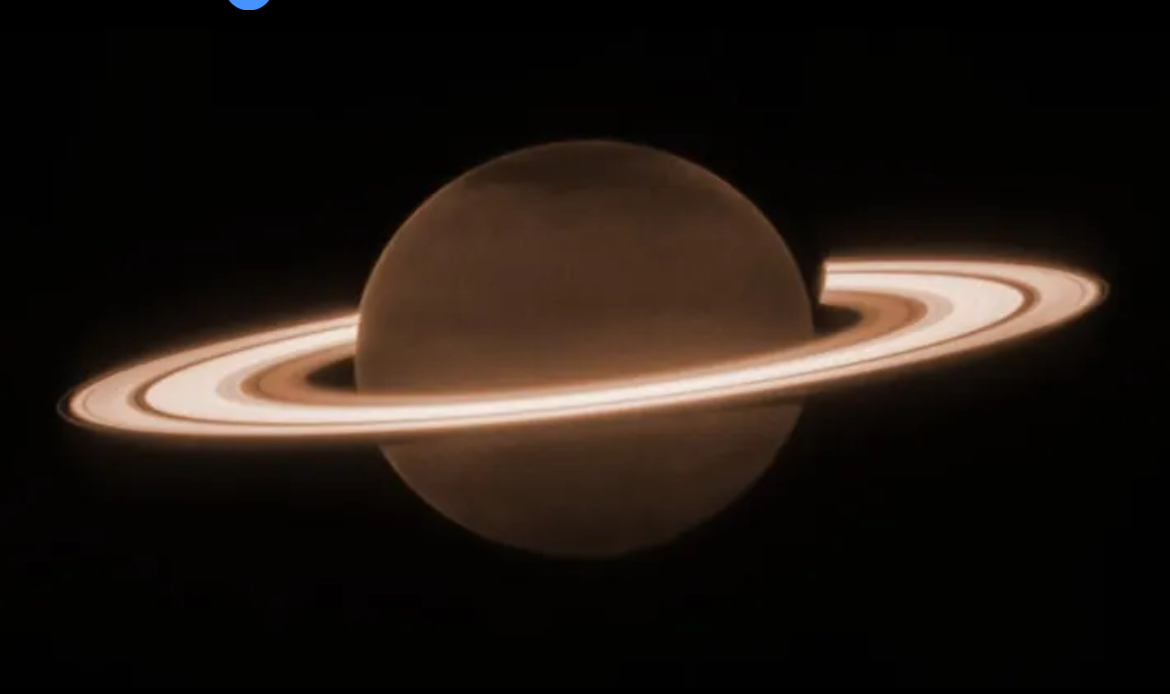
Saturn is now as good as it gets. It’s the planet’s annual opposition on Sunday, Sept. 21. On that date, it will rise at sunset, reach its highest around midnight and set at sunrise