

Forbes
@0x571c7fbd85f5478b6feaec59afd40b353b8843bb
Active 2 days, 5 hours ago
Create an Album
Media Gallery
-

Acclaimed Physicist And His Daughter Are Burying Tiny Nuclear Reactors A Mile Underground

Forbes
-

Epstein Accusers Closer To ‘Much Deserved Justice’ With Bank Of America Settlement, Lawyers Claim
Forbes
-

Anthropic’s Claude is surging in app downloads and traffic, according to data from Similarweb shared with Forbes, amid fallout over President Donald Trump and the Defense Department cutting ties with what Trump slammed as a “radical left, woke” AI company.
Forbes
-

Early AI darling and legal software maker Harvey is in talks to raise $200 million at a $11 billion valuation
Forbes
-
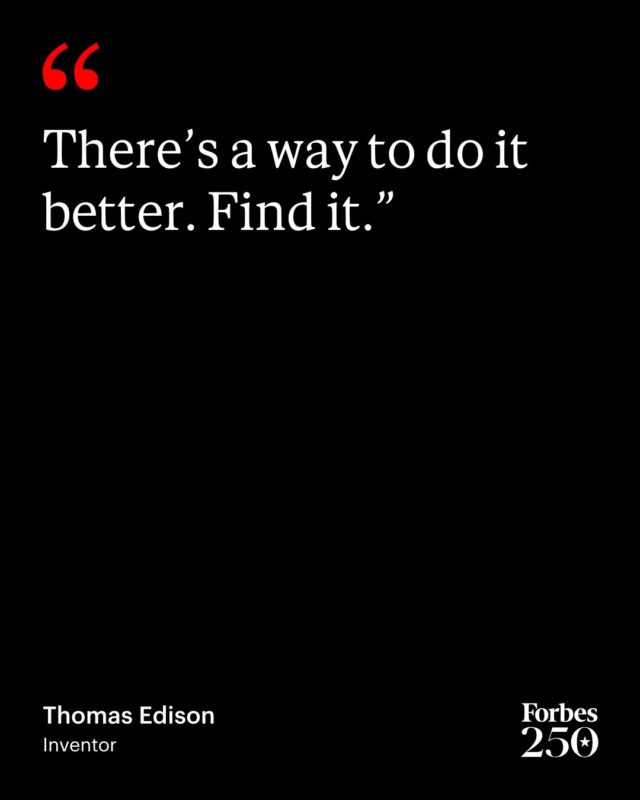
Quote of the day
Forbes
-

Trump Says He’s Bothered By ‘Somebody…Going After Bill Clinton’ Amid Epstein Files Scrutiny
Forbes
-

The proposal, which could be put to state voters in November, is a novel bid to extract more money from the state’s ultra-wealthy, who some claim aren’t paying their fair share
Forbes
-
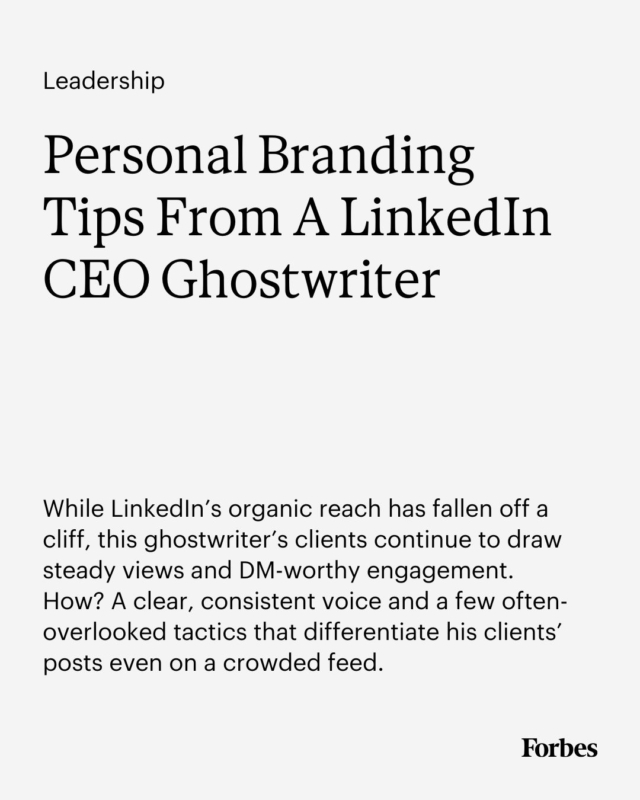
Stephen Mostrom has written 1,000 LinkedIn posts, and spent countless hours crafting copy that racked up more than 10 million cumulative impressions. But most of these posts didn’t have his name on them. Mostrom is the ghostwriter behind the CEOs and executives who light up your feed. He shared his top five tips to help you build a LinkedIn presence that pays off
Forbes
-

Research from Handshake shows that competition for internships is only increasing: each posting now attracts 109 applications on average—up from 62 last year and 43 two years ago. Here are five ways students can use ChatGPT to compete in this market. Read more:
Forbes
-

A minor geomagnetic storm expected in the early hours of Friday morning could make the Northern Lights visible in 15 states overnight on Thursday, including for stargazers as far south as Iowa
Forbes
-

Jimmy Fallon On The Future Of Late Night And Being A Super Marketer
Forbes
-

European Cities Of The Future: 10 Places To Visit In 2026
Forbes
-
How ChatGPT Will Transform Our Work And Daily Life In The Years Ahe
Forbes
-
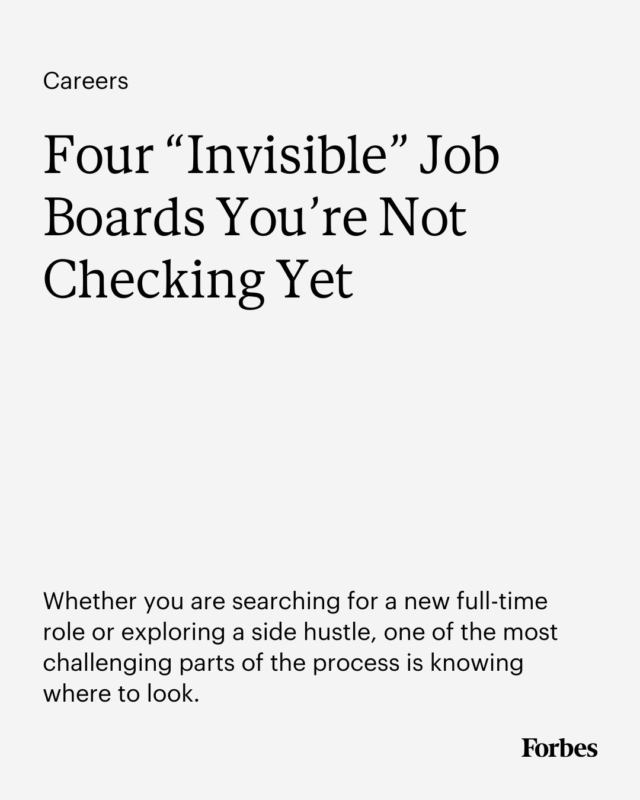
Job-seeking avenues beyond the traditional platforms can lead to opportunities better suited to your skills and aspirations.
Forbes
-

According to a Workday global survey, 83% of employees believe that AI will make uniquely human skills more critical, not less. Here are five human-centric skills that will matter more than AI in 2026, along with evidence, trends, and how we can actually teach them.
Forbes
-

Spotify’s annual end-of-year summaries faced criticism last year after including underwhelming features, like one that called some users a “pink pilates princess” for listening to pop music.
Forbes
-
Availability culture took root during the pandemic, when digital tools collapsed distance but also erased pause. What began as connection became compulsion. Today, many leaders confuse being reachable with being effective. They measure leadership in speed of reply rather than quality of thought.
Forbes
-

Will Bitcoin’s Dive Threaten Michael Saylor’s Strategy?
Forbes
-

Here's everything to know about Trump's proposed $2,000 tariff dividend checks:
Forbes
-

The chipmaker’s website touts its work with companies like ZTE, which has been effectively banned from selling its products in the U.S. for years over national security concerns.
Forbes
-

From Italian vineyards converted into enchanted villages, to pine-scented gorges glowing beneath brightly-lit viaducts, these Christmas markets were voted by travelers worldwide as the best winter escapes.
Forbes
-
Before entering any negotiation, it’s essential to build a strong case grounded in evidence. Start by objectively assessing your work performance over the past year. Have you consistently met or exceeded expectations?
Forbes
-

Student Loan Forgiveness Could Result In A $70,000 Penalty For Some Advocates for student loan borrowers and Democratic lawmakers in Congress are sounding the alarm that recent legislative changes made by Republicans could result in substantial financial penalties for those who are pursuing student loan forgiveness. Last week, Protect Borrowers (a student loan borrower advocacy organization) released a detailed analysis suggesting that, after congressional Republicans declined to extend tax relief for many Americans who are pursuing student loan forgiveness under income-driven repayment plans, borrowers could get slammed with thousands of dollars in unexpected tax liabilities. Senate Democrats followed up the analysis with a letter to Treasury Secretary Scott Bessent, arguing that he has legal authority to use executive action to shield borrowers from tax liability. “This tax bomb will force working families to trade their crushing student loan debt for a crushing tax debt,” warned Protect Borrowers in a statement on Monday. Here’s what borrowers need to know about the tax consequences looming over student loan forgiveness. Student Loan Forgiveness Returns To Being Taxable In 2026 Many forms of debt cancellation can be taxable events. When a lender writes off, discharges, or cancels a debt, they can issue the debtor or borrower a Form 1099-C, which notifies the IRS of the amount of the discharged debt and requires that the borrower report that amount as income on their tax return. The cancelled debt can then be taxed as if the borrower earned the amount in income that year. Historically, this has also been true for student loan forgiveness. Certain loan forgiveness programs, such as Public Service Loan Forgiveness and Borrower Defense to Repayment, have been exempt from federal taxation. But that hasn’t been the case for loan forgiveness under income-driven repayment (or IDR) plans. The American Rescue Plan Act of 2021 temporarily exempted all forms of student loan forgiveness from federal taxation, but only through the end of 2025. Congressional Republicans did not extend this relief in the One Big, Beautiful Bill Act that they passed this summer; that means that IDR student loan forgiveness returns to being taxable again starting in January. “In 2021, Congress passed into law a provision excluding student debt cancellation from taxable income,” said Protect Borrowers in its statement on Monday. “As a result, borrowers who received student debt relief after years of repayment were not faced with high and unexpected tax bills. However, that provision is set to expire at the end of this year. Absent action from President Trump or Republicans in Congress, this expiration will mean that borrowers on IDR plans who have legally earned debt cancellation after 20 or 25 years of repayment will be hit with significant tax bills.” Student loan forgiveness through PSLF and Borrower Defense to Repayment will remain tax exempt federally. Tax Penalty For IDR Student Loan Forgiveness Could Be In The Tens Of Thousands The tax consequences that stem from IDR student loan forgiveness could be devastating for low- and middle-income families, warned Protect Borrowers. “While the OBBBA permanently extended the exclusion of cancelled debts for death and disability, millions of borrowers who are currently on track to earn debt relief under an IDR plan after January 1, 2026, will see a massive increase in their federal income tax liability and therefore have to pay thousands of dollars in additional taxes,” said the group in an analysis published last week. “A married borrower with two dependents, making $40,000 a year, could shoulder a net loss of $10,295 in credits and additional taxes.” This is based on an estimated average of $49,320.51 in cancelled debt under IDR, according to Department of Education data. “Lower-income borrowers’ effective tax rates would likely increase the most, prior to the application of remaining eligible tax credits,” continued Protect Borrowers. “Borrowers who earn the median income of a bachelor’s degree holder ($80,236) would see their effective tax rates double, but a married borrower with two dependents who makes $40,000 a year would see their effective tax rate grow over nine times.” Higher-income earners with advanced degrees who have significant student loans could see even more significant tax liability associated with IDR student loan forgiveness. These borrowers not only have higher incomes (and therefore would be subject to higher taxes), but they also tend to have larger balances when they reach the threshold for IDR student loan forgiveness. “A single borrower earning $80,236 could pay an additional $2,657 in taxes on average for every $10,000 in additional debt cancellation earned,” said Protect Borrowers. The group provided an example of a borrower who “finished a master’s degree in 1994 and had an initial loan balance of $55,000,” but saw their balance balloon to $260,000 due to negative amortization, the process by which a borrower’s student loan balance increases over time while in an IDR plan due to the ongoing accrual and capitalization of interest. Negative amortization is a fairly common phenomenon for borrowers in IDR plans. “If his $260,000 balance is cancelled and treated as income, he could be forced to pay an additional $73,691 in taxes (increasing from $8,551 to $82,242),” said Protect Borrowers. “His effective tax rate could increase over nine times, from 10.66 percent to 102.50 percent (more than his total real annual income).” Lawmakers Call For Tax Exemptions For Student Loan Forgiveness Dovetailing on Protect Borrowers’ analysis, nearly a dozen Democratic senators, including Senators Bernie Sanders (D-VT) and Elizabeth Warren (D-MA), wrote to Treasury Secretary Scott Bessent last week, urging him to use executive authority to protect borrowers from the tax consequences associated with student loan forgiveness. “If neither the Trump Administration nor the Republican-controlled Congress act soon, families who earn student debt cancellation after paying their loans for decades will be hit with surprise tax hikes,” warned the lawmakers. “Using administrative authorities available under federal law, the Treasury Department and Internal Revenue Service (IRS) should move immediately to avoid this financial disaster for working-class Americans.” The senators suggested three possible unilateral actions that Bessent could take: Utilize the insolvency exemption to create a safe harbor for student loan borrowers. Individual taxpayers can be exempted from taxation tied to debt cancellation if they can demonstrate that the value of their debts exceeds the value of their assets. But the process of utilizing this exemption can be cumbersome. The senators suggested that the Department of Treasury can essentially create a blanket presumption of insolvency for borrowers who receive student loan forgiveness under IDR, shielding them all from tax liability. Apply the “qualified scholarship exclusion" to IDR student loan forgiveness. The rule excludes from gross income “any amount received for a scholarship used for ‘qualified tuition and related expenses,’ including ‘tuition and fees’ and ‘fees, books, supplies, and equipment required for courses of instruction.’” Apply the “general welfare exclusion” to IDR student loan forgiveness. To qualify, “payments must (i) be made from a governmental fund, (ii) be for the promotion of the general welfare (i.e., generally based on individual or family needs), and (iii) not represent compensation for services.” The senators argued that IDR student loan forgiveness "meets each of these three requirements." “By punishing IDR beneficiaries with massive tax bills, the federal government undermines the very purpose of the IDR program and reneges on its promises to borrowers,” wrote the senators. “Instead of compounding this problem by denying legally owed IDR discharge to borrowers, the Administration can and should deliver certainty and relief to these families as soon as possible.” Narrow Student Loan Forgiveness Tax Exemption Under Settlement Agreement In a recent settlement agreement announced in October to resolve a legal challenge over delayed or blocked IDR student loan forgiveness, the Department of Education agreed to extend tax relief for certain borrowers who are entitled to a discharge under IDR but experience delays. Specifically, the department committed to not issuing a Form 1099-C to borrowers who reach their 20- or 25-year milestone for IDR student loan forgiveness before the end of 2025, but are delayed in receiving a discharge of their student loans until 2026. MORE FOR YOU But this narrow exception will only apply to borrowers whose student loans reach their IDR cancellation milestone by December 31, 2025. All other borrowers who become eligible for IDR student loan forgiveness in 2026 or later could face enormous tax liability, barring further action by Congress or the Trump administration. So far, neither has given an indication that any action is imminent.
Forbes
-

Zygmunt Solorz, one of the richest people in Poland, has been mired in a yearlong succession fight and legal drama involving his three children. Now he’s turning to U.S. courts in search of more evidence to help his case.
Forbes
-
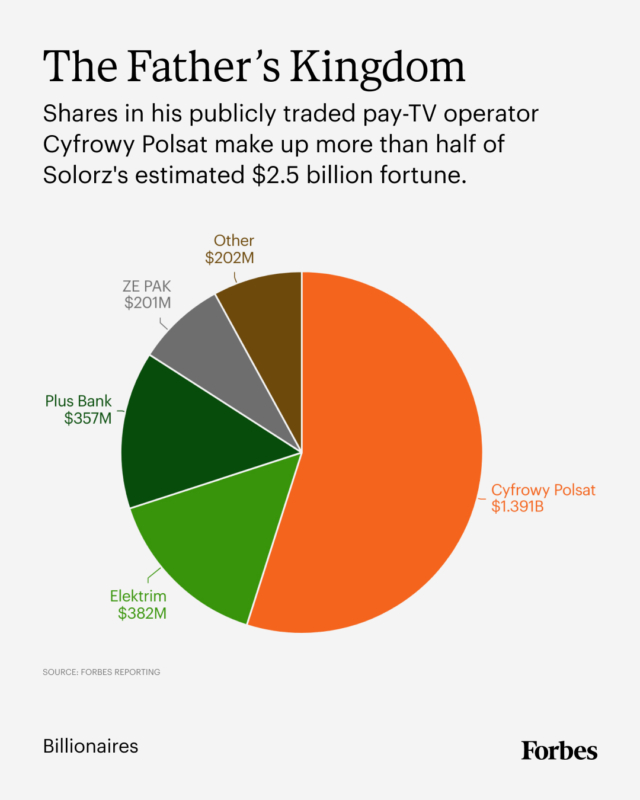
Zygmunt Solorz, one of the richest people in Poland, has been mired in a yearlong succession fight and legal drama involving his three children. Now he’s turning to U.S. courts in search of more evidence to help his case.
Forbes
-

This Entrepreneur Made A Small Fortune Playing Poker. Then He Gambled It On Oatmeal Brian Tate cashed in his winnings to fund the food that fueled his card-playing career. Now Oats Overnight is raking in more than $200 million a year. Before founding on-the-go breakfast company Oats Overnight, Brian Tate spent most of his twenties as a professional poker player, frequently entering No-Limit events in Las Vegas casinos and playing private cash games around the country. By the time he retired from the scene at 29, he claims to have banked nearly $10 million in winnings. That’s when he started dreaming up his next big score. “There wasn't anywhere else to go with poker. I was at the highest level and I wanted another mountain to climb,” he says. Much to his poker buddies’ amazement, he focused on the food he relied on during some of those marathon poker sessions. “Efficiency is really the passion here,” says Tate, who is now 38. “With poker, you're running to different games, you're sitting at a table for 12-plus hours a day. It's really important to eat well.” So, in 2016, he searched the market for a pre-made version of his homemade oatmeal shakes, and when he couldn’t find one, he bet $500,000 of his winnings to set up a manufacturing facility in Tempe, Arizona, for what became Oats Overnight. “I was pretty shocked that it didn't exist because I was enjoying this so much. I thought I should share it with the world. I thought it should exist,” says Tate, who is the CEO and owns just under 50% of the Phoenix-based company. Tate used his initial investment to lease equipment, produce the first batch of inventory, and pay salaries to his team, which was literally friends and family—two poker pals handling in-house manufacturing and his mom, Diane Tate, who was in charge of fulfillment: “If we made 500 units a day,” she recalls, “we were thrilled with that.” Tate would then personally drive orders to the post office in the trunk of his car. He bootstrapped the company for the first three years with his poker winnings. Oats Overnight launched in 2016 with three flavors: chocolate, strawberry, and green apple. The oatmeal, mixed with 20 grams of protein and flavorings, is intended to be shaken with milk, left to cool in the refrigerator overnight, and consumed the next morning. It was an attempt to popularize an old take on oatmeal through convenience. “I thought he had genuinely lost his mind,” says longtime poker pal Thomas Keller, who is now the director of e-commerce for the company, “I didn't know anyone who ate cold oatmeal.” But consumers seem to love it. This year, Oats Overnight will bring in more than $200 million in revenue and Forbes estimates the company, which has struggled with profitability, to be worth $350 million. Tate launched the company as a direct-to-consumer brand, and within two years adopted a monthly subscription model. "Retention is everything,” he says. “The question is, how do you get a customer to build this into their lifestyle?” The company incentivizes website visitors to subscribe by offering a free branded Oats Overnight shaker with their first order as well as a one-time 25% discount. A 16-packet box costs $60, but new subscribers pay $45. Today, the company has 300,000 active subscribers, accounting for 90% of e-commerce sales. “That's pretty good growth, especially because packaged food in general has been struggling with volume since the pandemic,” says Kristoffer Inton, a senior consumer analyst at Morningstar who covers breakfast giant General Mills. But Inton has concerns about Oats Overnight’s pricing and direct-to-consumer model. “It's incredibly difficult to make money through that channel,” he says, citing increased shipping and customer acquisition costs. “There will be some part of the market that is willing to pay a premium for the convenience aspect. But you can get a whole sack of oats for a few dollars,” he continues, “Especially in this environment, where consumers are struggling and pulling back purchases, that's a potential headwind to the growth longer term.” Tate confirms that marketing—“tens of millions” per year, he says—is the company’s biggest expense. “One of the big translations from poker to oats is really focusing on what levers you control,” says Tate. For Oats Overnight, he explains, it meant optimizing the product to increase customer retention. “When we tweaked formulas, maybe added more sugar, more salt, we would see customer retention go up 8-10%.” So Tate focused on product development, expanding from three core flavors to 30 in five years, with 30 additional flavors available exclusively to subscribers. He went from mixing formulas in his kitchen to hiring a 13-person R&D team, all while retaining control of manufacturing as well as fulfillment—which his mother still runs. Tate also used his subscriber base as a focus group for future products. “Most of the industry sits around a table, takes a sip and has this very single-serve sample kind of bias,” he says, “Every single product we make is developed with customers." In 2020, Oats Overnight began sending new flavor samples to subscribers in exchange for feedback, most of which is shared through the company’s private Facebook group, which has 100,000 members. “We get a lot of really unique data from this process,” says Tate. Once a flavor earns subscribers’ approval and becomes available for purchase on the website, the team ranks its customer retention power across all flavors. They then identify the worst-performing flavors and keep tweaking the formulas to see if the numbers improve. Tate attributes Oats Overnight’s 60%-plus customer retention rate—the number of customers who place more than one order—to this process. “We’re closer to the consumer than any CPG [consumer packaged goods] brand has ever been before,” he says. And to get his team of 500 employees to believe in his mission, Tate uses another classic strategy borrowed from poker—everybody has a stake. All Oats Overnight employees, from the head of operations down to assembly line workers, get involved in content creation. The brand’s social media posts include videos of its food scientists testing flavors and warehouse workers packing orders.
Forbes
-

This Entrepreneur Made A Small Fortune Playing Poker. Then He Gambled It On Oatmeal Brian Tate cashed in his winnings to fund the food that fueled his card-playing career. Now Oats Overnight is raking in more than $200 million a year. Before founding on-the-go breakfast company Oats Overnight, Brian Tate spent most of his twenties as a professional poker player, frequently entering No-Limit events in Las Vegas casinos and playing private cash games around the country. By the time he retired from the scene at 29, he claims to have banked nearly $10 million in winnings. That’s when he started dreaming up his next big score. “There wasn't anywhere else to go with poker. I was at the highest level and I wanted another mountain to climb,” he says. Much to his poker buddies’ amazement, he focused on the food he relied on during some of those marathon poker sessions. “Efficiency is really the passion here,” says Tate, who is now 38. “With poker, you're running to different games, you're sitting at a table for 12-plus hours a day. It's really important to eat well.” So, in 2016, he searched the market for a pre-made version of his homemade oatmeal shakes, and when he couldn’t find one, he bet $500,000 of his winnings to set up a manufacturing facility in Tempe, Arizona, for what became Oats Overnight. “I was pretty shocked that it didn't exist because I was enjoying this so much. I thought I should share it with the world. I thought it should exist,” says Tate, who is the CEO and owns just under 50% of the Phoenix-based company. Tate used his initial investment to lease equipment, produce the first batch of inventory, and pay salaries to his team, which was literally friends and family—two poker pals handling in-house manufacturing and his mom, Diane Tate, who was in charge of fulfillment: “If we made 500 units a day,” she recalls, “we were thrilled with that.” Tate would then personally drive orders to the post office in the trunk of his car. He bootstrapped the company for the first three years with his poker winnings. Oats Overnight launched in 2016 with three flavors: chocolate, strawberry, and green apple. The oatmeal, mixed with 20 grams of protein and flavorings, is intended to be shaken with milk, left to cool in the refrigerator overnight, and consumed the next morning. It was an attempt to popularize an old take on oatmeal through convenience. “I thought he had genuinely lost his mind,” says longtime poker pal Thomas Keller, who is now the director of e-commerce for the company, “I didn't know anyone who ate cold oatmeal.” But consumers seem to love it. This year, Oats Overnight will bring in more than $200 million in revenue and Forbes estimates the company, which has struggled with profitability, to be worth $350 million. Tate launched the company as a direct-to-consumer brand, and within two years adopted a monthly subscription model. "Retention is everything,” he says. “The question is, how do you get a customer to build this into their lifestyle?” The company incentivizes website visitors to subscribe by offering a free branded Oats Overnight shaker with their first order as well as a one-time 25% discount. A 16-packet box costs $60, but new subscribers pay $45. Today, the company has 300,000 active subscribers, accounting for 90% of e-commerce sales. “That's pretty good growth, especially because packaged food in general has been struggling with volume since the pandemic,” says Kristoffer Inton, a senior consumer analyst at Morningstar who covers breakfast giant General Mills. But Inton has concerns about Oats Overnight’s pricing and direct-to-consumer model. “It's incredibly difficult to make money through that channel,” he says, citing increased shipping and customer acquisition costs. “There will be some part of the market that is willing to pay a premium for the convenience aspect. But you can get a whole sack of oats for a few dollars,” he continues, “Especially in this environment, where consumers are struggling and pulling back purchases, that's a potential headwind to the growth longer term.” Tate confirms that marketing—“tens of millions” per year, he says—is the company’s biggest expense. “One of the big translations from poker to oats is really focusing on what levers you control,” says Tate. For Oats Overnight, he explains, it meant optimizing the product to increase customer retention. “When we tweaked formulas, maybe added more sugar, more salt, we would see customer retention go up 8-10%.” So Tate focused on product development, expanding from three core flavors to 30 in five years, with 30 additional flavors available exclusively to subscribers. He went from mixing formulas in his kitchen to hiring a 13-person R&D team, all while retaining control of manufacturing as well as fulfillment—which his mother still runs. Tate also used his subscriber base as a focus group for future products. “Most of the industry sits around a table, takes a sip and has this very single-serve sample kind of bias,” he says, “Every single product we make is developed with customers." In 2020, Oats Overnight began sending new flavor samples to subscribers in exchange for feedback, most of which is shared through the company’s private Facebook group, which has 100,000 members. “We get a lot of really unique data from this process,” says Tate. Once a flavor earns subscribers’ approval and becomes available for purchase on the website, the team ranks its customer retention power across all flavors. They then identify the worst-performing flavors and keep tweaking the formulas to see if the numbers improve. Tate attributes Oats Overnight’s 60%-plus customer retention rate—the number of customers who place more than one order—to this process. “We’re closer to the consumer than any CPG [consumer packaged goods] brand has ever been before,” he says. And to get his team of 500 employees to believe in his mission, Tate uses another classic strategy borrowed from poker—everybody has a stake. All Oats Overnight employees, from the head of operations down to assembly line workers, get involved in content creation. The brand’s social media posts include videos of its food scientists testing flavors and warehouse workers packing orders.
Forbes
-

iOS 26.1—Game-Changing New iPhone Security Feature Is About To Land Apple’s iOS 26.1 is coming soon, along with a bunch of cool new features for your iPhone. One of the most notable features in the iOS 26.1 update will be game-changing for your iPhone’s security. From iOS 26.1, Apple will re-introduce Rapid Security Response updates under a new name, Background Security Improvements. First seen a few versions back in iOS 16 and now returning in iOS 26.1, these security updates allow Apple to send out iOS fixes on the fly. From iOS 26.1, these should be separate from other bug fixes and feature upgrades, meaning Apple will patch holes in your iPhone as soon as they are discovered. iOS 26.1 Feature Could Be Huge For iPhone Security In an era when spyware can be delivered to your iPhone without you even having to click — via WhatsApp or iMessage — the new iOS 26.1 feature has the potential to be huge for security. However, Apple needs to get it right. Soon after the iPhone maker debuted Rapid Security Responses in iOS 16, one went wrong and Apple was forced to quickly issue another update to fix it. After that, it appeared to retire the feature altogether. If, from iOS 26.1, emergency fixes are being issued this way and as yet untested in real-life scenarios, a botched update that needs to be rolled back is not going to cut it. Background Security Improvements needs to work in iOS 26.1 and with as little interaction as possible. Update Now To iOS 26.1 I always highlight the importance of applying iPhone security updates as soon as possible and hopefully, from iOS 26.1, this will happen regardless of the user’s actions. The new iOS 26.1 Background Security Improvements update feature ensures that “really urgent fixes” are applied automatically between major releases, “putting safety first,” says Jake Moore, global cybersecurity advisor at ESET. There are other security enhancements that also make iOS 26.1 worth looking out for. “The iOS 26.1 update improves how iOS encrypts and protects sensitive data and strengthens app permission controls, meaning people will have more choice and control of their data,” Moore says. With the iOS 26.1 release candidate already out and the launch of iOS 26.0.2 looking doubtful, the upgrade should arrive at some point next week, possibly Nov. 3 or Nov. 4. It should also come with a list of security fixes itself, so go to your Settings > General > Software Update and look out for it. If you are still wondering whether to update from iOS 18 to iOS 26.1, this might be the time to do it.
Forbes
-

Freed from its SEC lawsuit, Ripple, long a blockchain payments company with little actual business, is finally acquiring its way toward a legitimate multibillion-dollar crypto empire.
Forbes
-

Freed from its SEC lawsuit, Ripple, long a blockchain payments company with little actual business, is finally acquiring its way toward a legitimate multibillion-dollar crypto empire.
Forbes
-
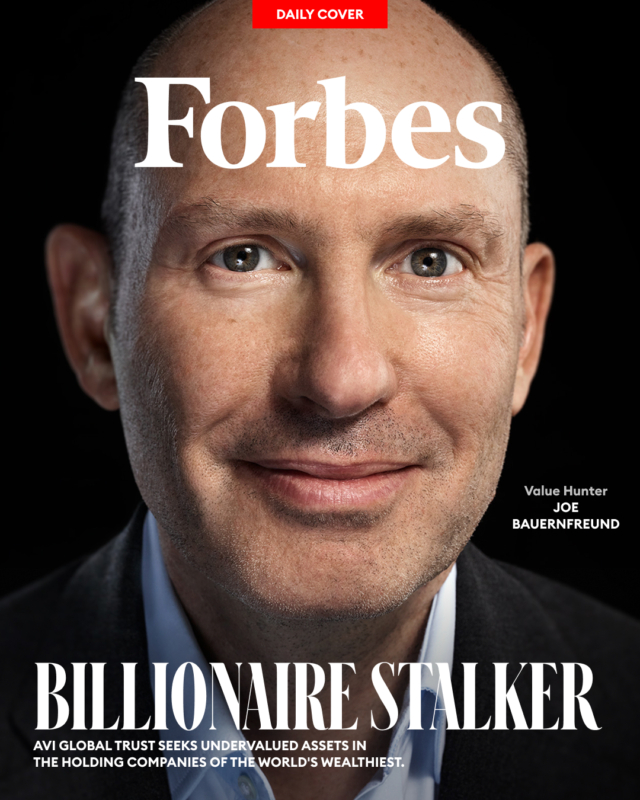
From his London perch, Joe Bauernfreund buys shares of companies trading at discounts to their liquidating value, including holding companies controlled by billionaire families.
Forbes
-

President Donald Trump’s approval rating ticked up slightly from August in a new Emerson College survey that found a significant improvement in voters’ view of his handling of the Israel-Hamas war
Forbes
-

Meet The 30 Under 30 Software Wunderkind Taking On Airbnb
Forbes
-

Looking for a chilly autumnal getaway before winter sets in? It might be worth setting your sights on cities in Scandinavia and Eastern Europe. (Photo: Getty Images)
Forbes
-

5 Countries That Offer Loans For Buying Property Overseas Ready to own a home abroad? In these five countries, with local mortgages available even for non-residents, your global property dreams are within reach Securing a mortgage for the purpose of buying property overseas is possible in select countries. It’s true that it can be more challenging, as many foreign banks are cautious about lending to non-residents. It’s also true that the terms will likely be different from what you’re used to, especially if you’re American. Don’t expect a fixed-rate, 30-year mortgage. These are unique to the U.S. Shorter loan terms (typically 15 to 25 years) are more common overseas, as are variable interest rates. That said, there are several countries—Portugal, Spain, Italy, Greece, and Panama, for example—where foreigners can and do secure mortgages, even without residency. If you’re looking to buy property abroad but need a loan to do so, these five countries could be smart options. Portugal In Portugal, foreign buyers can access mortgages through major banks like Millennium BCP, Novo Banco, and Santander. Loan-to-value ratios for non-resident foreigners typically range between 60% and 70%. As a non-local, you’ll likely be required to make a bigger down payment—around 30% to 40% of the purchase price—compared to a local who may only need to put down 10% to 20%. You’ll need a Portuguese tax number (NIF) from the Tax Office to apply for a mortgage, as well as a local bank account and the standard financial documents: passport, proof of income, employment verification, recent bank statements, and the purchase agreement. Once approved, the home you want to buy will be independently appraised, and the bank will provide a formal mortgage offer. Rates vary depending on your credit profile, income, and down payment. In 2024 and 2025, interest rates for mortgages average around 3% to 4%. Fixed and variable mortgage options are available. Note that in most European countries that use civil law (Portugal, Spain, Italy, Greece, etc.), banks make life insurance mandatory for mortgages. Terms, therefore, can vary according to age. The eligibility age for life insurance is typically 70 or 75. The closer your age is to the cap, the shorter the loan term you can usually expect. Spain Spain also offers foreigner-friendly mortgage options, and many expats take advantage of them. In 2022, 7% of all mortgages issued in Spain went to foreign buyers, according to the General Council of Notaries. Spanish banks typically lend up to 70% of the property’s purchase price for non-residents, compared to 80% for locals. You’ll usually need to make a minimum down payment of 30% and show a steady income to qualify. Mortgage terms range from 20 to 25 years, and borrowers typically need to be under 65 years old. Required documents include your Spanish tax ID (NIE), passport, proof of income, employment contract, bank statements, and credit history. Spain’s interest rates are competitive in Europe, with rates between to 2.9% and 3.9% for residents and rates of 3% to 5% for non-residents in 2025. Variable and fixed rates are available. Many buyers opt for variable-rate mortgages tied to the Euribor—the Euro Interbank Offered Rate, a daily reference rate published by the European Money Markets Institute. Italy Italy allows foreign buyers to obtain mortgages, but banks tend to be more conservative with foreigners. Not all banks work with non-residents, but your chances are better in urban areas and tourist destinations where international buyers are common. Foreigners are generally expected to pay a large down payment—typically 40% to 50% of the purchase price. You’ll need to obtain an Italian tax ID (Codice Fiscale), open a local bank account, and provide standard documentation such as your passport, proof of income, credit report, and bank statements. Most loan terms range from 20 to 25 years. Mortgage interest rates are between 2.7% and 5% in 2025, though rates may be higher for non-residents. Fixed- and variable-rate loans are available, with variable loans typically tied to the Euribor. Banks may also require that you insure the property and take out life insurance, depending on the terms of the mortgage. Greece In Greece, foreign buyers can apply for mortgages through local banks and borrow up to 65% of the property’s commercial value, determined by an independent appraisal. Loan terms can range from 3 to 35 years, depending on your country of residence. Lending criteria tend to be stricter in Greece. Again, you’ll need life insurance to get a mortgage through a Greek bank, and the key eligibility age for life insurance is around 70 or 75. Interest rates vary from around 2% to around 5%, depending on the loan structure. Floating-rate loans tend to be tied to the three-month Euribor, plus a fixed spread set by the bank. Banks require collateral—usually a mortgage lien on the property and insurance against fire, earthquake, and other natural risks. In some cases, a cash deposit or pledged investment account may be accepted as collateral for floating-rate loans. The process of getting a mortgage can be more bureaucratic than in Portugal or Spain, but Greece remains a viable mortgage destination for buyers with solid financials and a long-term plan. Panama Panama offers relatively accessible mortgage options to both residents and non-residents, though loan terms and documentation requirements are quite different from what you might expect in the U.S. Loan terms are generally 25 years, and interest rates are averaging 6% depending on the bank, property type, and applicant profile. Mortgages for second homes are charged a 1% premium. Effectively any non-resident is therefore charged the premium because the assumption is the Panama property is a second home. This premium applies to Panamanians as well. Foreigners should expect to make a down payment of at least 30%, though some developers may offer more flexible financing options. Rather than relying heavily on credit scores, Panamanian banks focus on your ability to pay. In addition to your completed mortgage application, you’ll need to provide standard identification documents like your passport, recent utility bills with your address, professional reference letters, as well as reference letters from your home bank, income verification, tax returns, and a property appraisal by a bank-approved expert. You may also need to include a resume and a letter explaining your investment plans. All documents must be authenticated via Apostille or through a Panamanian consulate. You’ll also be required to carry life insurance and insurance on the property—standard for a mortgage anywhere. The mortgage will be secured with a lien filed in Panama’s public registry. In our experience, mortgages in Panama are adjustable-rate mortgages, although rates have not changed much over the past 20 years. While more document-heavy than some other countries, Panama remains one of the more flexible Latin American markets for expat lending.
Forbes
-

The Best Dog Foods For Sensitive Stomachs, According To Veterinarians
Forbes
-

Jimmy Kimmel mocked Trump in his monologue, saying the president “did his best” to cancel him but instead “forced millions of people to watch the show.”
Forbes
-

When To See The ‘Planet Parade’ This Weekend As Saturn Brightens Have you seen the planet parade going on before dawn? If not, have a look now because it will soon disappear. This week’s main event in the parade is a very rare and spectacular meeting of Venus, a crescent moon and bright star Regulus on Friday, Sept. 19 — the closest such pairing until the 2040s. With Saturn reaching opposition on Sunday, Sept. 21, it’s one of the best weekends of 2025 so far for planet-spotting. Key Facts This planet parade is best seen about an hour before sunrise, with Venus low in the east, Jupiter high in the east-southeast, and Saturn low in the west. Uranus and Neptune are also present, but require binoculars or a telescope to see. On Friday, Sept. 19, Venus, a 5%-lit waning crescent moon and bright star Regulus will cluster within just over a degree of sky. All three will be visible to the naked eye, and appear in the same field of view of binoculars. Saturday, Sept. 20, will see Venus and Regulus still close together, but the crescent moon will have moved away and be barely visible below. Look for subtle “Earthshine” on the moon's dark side — it’s sunlight reflected by oceans, clouds and ice. Saturn is now as good as it gets. It’s the planet’s annual opposition on Sunday, Sept. 21. On that date, it will rise at sunset, reach its highest around midnight and set at sunrise
Forbes
-

Here’s what to know about this latest legal challenge, and why it’s so important for borrowers pursuing affordable payments and student loan forgiveness
Forbes
-

Conservative activist and Turning Point USA founder Charlie Kirk was shot at an event at Utah Valley University on Wednesday, and is reportedly now in critical condition. (Photo: Getty Images)
Forbes
-

How To Get The Best Out Of People Without Causing Burnout At Work I wrote more than my share of group papers in my university courses because many of my teammates never showed up to meetings, and when they did, their work was usually poor. I didn’t want to take over, but I had no patience for waiting. I figured out quickly it was easier to just do the assignments myself than to waste time hoping others would step up. That experience was an early lesson in how uneven motivation and capability create tension, and it made me realize that leaders face the same challenge in the workplace. If leaders do what I did and just take over and do the work themselves, they don’t help their people grow. The reality is some people are eager to stretch themselves, others hold back, and leaders are left to decide how much to encourage growth without crossing the line. The real question is how to get the best out of people without causing burnout at work. Why Comfort Zones Can Lead To Burnout At Work Comfort zones feel safe, but they also limit growth. Employees who stick with what they know may appear steady, but eventually they stagnate. Leaders who let people stay in their comfort zones for too long risk creating teams that lack adaptability. At the same time, pushing too aggressively can backfire. People who are stretched too far too quickly often feel stress and that drains motivation. This is when burnout at work begins. The real challenge is knowing how to respect comfort zones while creating enough stretch to build confidence. Balancing Strengths And Weaknesses To Prevent Burnout At Work Gallup’s research shows that employees who use their strengths daily are six times more likely to be engaged. Tom Rath, co-author of StrengthsFinder, told me that leaning into natural talents is often the fastest path to confidence and performance gains. At the same time, he cautioned me against the idea that we should only focus on strengths. He said it is just as reckless to ignore weaknesses as it is to ignore strengths. His point was that leaders need balance. Too much time spent on weaknesses drains confidence, but avoiding them altogether prevents people from growing. My curiosity research found that assumptions hold many employees back. People often convince themselves they will not like something or cannot succeed, and those assumptions create invisible barriers. When companies address those barriers, the financial results are sizable. In my research with executives across industries, more than 80% of small to medium size companies saved over $100,000 a year by building a culture of curiosity, and 100% of larger organizations saved over $1 million annually. Curiosity helps break down assumptions, keeps people from being stuck, and prevents burnout at work by distributing opportunities more evenly. Carol Dweck’s growth mindset research adds to this. She found that students praised for effort rather than innate ability were more likely to take on challenges, persist longer, and improve their performance. Applied to work, this means employees who feel safe to try, learn, and even fail will grow without the fear that creates burnout at work. Comfort Zones That Lead To Burnout At Work I once managed a woman who was excellent at her job but dreaded giving presentations. She had a true phobia of public speaking and no interest in promotion. I did not force her to present, but I often wondered if I had missed an opportunity to help her grow. Perhaps if I had started small, like asking her to introduce one slide, she might have discovered more confidence. The point is not that everyone has to become a speaker, but that leaders need to ask whether resistance is rooted in fear or in limitation. I also worked with a woman who believed that if she ever took time off, it would show she was not needed. She worked constantly and nearly exhausted herself. That kind of obsessive work ethic may look admirable, but it often leads directly to burnout at work. Leaders who recognize these extremes early can redistribute responsibility and encourage healthier balance before capable employees burn out. CEO: C-suite news, analysis, and advice for top decision makers right to your inbox. How To Recognize Fear Versus Laziness To Reduce Burnout At Work It is not always easy to tell if resistance is fear or indifference. Fear usually comes with visible anxiety. The employee avoids the task but also worries about it. Laziness looks more like indifference with no visible discomfort. Leaders can uncover the difference by asking questions. If it is fear, support and small steps can help. If it is indifference, accountability and clear expectations may be the solution. Either way, ignoring the issue frustrates high performers and allows burnout at work to spread across the team. Why Leaders Should Not Just Do The Work Themselves To Prevent Burnout At Work It is tempting for leaders to take on tasks themselves, especially when capable employees are overloaded and less capable ones are not stepping up. I learned this in my university example with group papers. It felt easier to do the entire project than to wait for people who contributed little. But while that solved the immediate problem, it didn’t help anyone else improve. The same thing happens at work. Leaders who “rescue” projects by taking over may get short-term results, but long term, the team stays dependent and does not grow. Even worse, leaders end up overwhelmed and risk their own burnout at work. A better approach is to break tasks into smaller pieces, set clear expectations, and provide support as employees stretch. This way, the work gets done, employees build capability, and leaders protect their capacity. Using Curiosity To Help Employees Avoid Burnout At Work Curiosity is one of the best tools leaders can use to move people beyond comfort zones. Instead of labeling someone as unwilling, leaders can ask questions to uncover what is behind hesitation. What about this feels uncomfortable? What support would make it easier to try? What would a small first step look like? Questions like these shift the conversation from resistance to possibility. Practical Ways Leaders Can Prevent Burnout At Work Leaders can avoid burnout at work without shutting down growth by keeping things simple. Instead of dropping someone into the deep end, let them test new skills in small, low-pressure ways. I’ve seen how much easier it is for people to try something new when the first step feels manageable. Another approach is pairing a confident employee with someone who needs a little more support. Both benefit because the stronger performer practices mentoring while the other gets guidance. It is also important to keep an eye on workloads. A stretch assignment should stretch skills, not just pile on more tasks. And don’t forget recognition. People need to know their effort matters, not just the end result. Progress counts, and when employees see that their attempts are valued, they are much more willing to keep moving forward. How To Get The Best Out Of People Without Causing Burnout At Work Comfort zones feel safe, but they can also hold people back. When employees never step outside of them, they stop growing. On the other hand, when they are pushed too far without support, they burn out. The leaders who get this right strike a balance. They lean into people’s strengths while still giving them room to develop. They ask curious questions that challenge assumptions and keep progress moving. And they make sure to notice effort along the way. When growth feels safe, people are more willing to try, and that is how you get the best out of them without causing burnout at work.
Forbes
-

How To Get The Best Out Of People Without Causing Burnout At Work I wrote more than my share of group papers in my university courses because many of my teammates never showed up to meetings, and when they did, their work was usually poor. I didn’t want to take over, but I had no patience for waiting. I figured out quickly it was easier to just do the assignments myself than to waste time hoping others would step up. That experience was an early lesson in how uneven motivation and capability create tension, and it made me realize that leaders face the same challenge in the workplace. If leaders do what I did and just take over and do the work themselves, they don’t help their people grow. The reality is some people are eager to stretch themselves, others hold back, and leaders are left to decide how much to encourage growth without crossing the line. The real question is how to get the best out of people without causing burnout at work. Why Comfort Zones Can Lead To Burnout At Work Comfort zones feel safe, but they also limit growth. Employees who stick with what they know may appear steady, but eventually they stagnate. Leaders who let people stay in their comfort zones for too long risk creating teams that lack adaptability. At the same time, pushing too aggressively can backfire. People who are stretched too far too quickly often feel stress and that drains motivation. This is when burnout at work begins. The real challenge is knowing how to respect comfort zones while creating enough stretch to build confidence. Balancing Strengths And Weaknesses To Prevent Burnout At Work Gallup’s research shows that employees who use their strengths daily are six times more likely to be engaged. Tom Rath, co-author of StrengthsFinder, told me that leaning into natural talents is often the fastest path to confidence and performance gains. At the same time, he cautioned me against the idea that we should only focus on strengths. He said it is just as reckless to ignore weaknesses as it is to ignore strengths. His point was that leaders need balance. Too much time spent on weaknesses drains confidence, but avoiding them altogether prevents people from growing. My curiosity research found that assumptions hold many employees back. People often convince themselves they will not like something or cannot succeed, and those assumptions create invisible barriers. When companies address those barriers, the financial results are sizable. In my research with executives across industries, more than 80% of small to medium size companies saved over $100,000 a year by building a culture of curiosity, and 100% of larger organizations saved over $1 million annually. Curiosity helps break down assumptions, keeps people from being stuck, and prevents burnout at work by distributing opportunities more evenly. Carol Dweck’s growth mindset research adds to this. She found that students praised for effort rather than innate ability were more likely to take on challenges, persist longer, and improve their performance. Applied to work, this means employees who feel safe to try, learn, and even fail will grow without the fear that creates burnout at work. Comfort Zones That Lead To Burnout At Work I once managed a woman who was excellent at her job but dreaded giving presentations. She had a true phobia of public speaking and no interest in promotion. I did not force her to present, but I often wondered if I had missed an opportunity to help her grow. Perhaps if I had started small, like asking her to introduce one slide, she might have discovered more confidence. The point is not that everyone has to become a speaker, but that leaders need to ask whether resistance is rooted in fear or in limitation. I also worked with a woman who believed that if she ever took time off, it would show she was not needed. She worked constantly and nearly exhausted herself. That kind of obsessive work ethic may look admirable, but it often leads directly to burnout at work. Leaders who recognize these extremes early can redistribute responsibility and encourage healthier balance before capable employees burn out. CEO: C-suite news, analysis, and advice for top decision makers right to your inbox. How To Recognize Fear Versus Laziness To Reduce Burnout At Work It is not always easy to tell if resistance is fear or indifference. Fear usually comes with visible anxiety. The employee avoids the task but also worries about it. Laziness looks more like indifference with no visible discomfort. Leaders can uncover the difference by asking questions. If it is fear, support and small steps can help. If it is indifference, accountability and clear expectations may be the solution. Either way, ignoring the issue frustrates high performers and allows burnout at work to spread across the team. Why Leaders Should Not Just Do The Work Themselves To Prevent Burnout At Work It is tempting for leaders to take on tasks themselves, especially when capable employees are overloaded and less capable ones are not stepping up. I learned this in my university example with group papers. It felt easier to do the entire project than to wait for people who contributed little. But while that solved the immediate problem, it didn’t help anyone else improve. The same thing happens at work. Leaders who “rescue” projects by taking over may get short-term results, but long term, the team stays dependent and does not grow. Even worse, leaders end up overwhelmed and risk their own burnout at work. A better approach is to break tasks into smaller pieces, set clear expectations, and provide support as employees stretch. This way, the work gets done, employees build capability, and leaders protect their capacity. Using Curiosity To Help Employees Avoid Burnout At Work Curiosity is one of the best tools leaders can use to move people beyond comfort zones. Instead of labeling someone as unwilling, leaders can ask questions to uncover what is behind hesitation. What about this feels uncomfortable? What support would make it easier to try? What would a small first step look like? Questions like these shift the conversation from resistance to possibility. Practical Ways Leaders Can Prevent Burnout At Work Leaders can avoid burnout at work without shutting down growth by keeping things simple. Instead of dropping someone into the deep end, let them test new skills in small, low-pressure ways. I’ve seen how much easier it is for people to try something new when the first step feels manageable. Another approach is pairing a confident employee with someone who needs a little more support. Both benefit because the stronger performer practices mentoring while the other gets guidance. It is also important to keep an eye on workloads. A stretch assignment should stretch skills, not just pile on more tasks. And don’t forget recognition. People need to know their effort matters, not just the end result. Progress counts, and when employees see that their attempts are valued, they are much more willing to keep moving forward. How To Get The Best Out Of People Without Causing Burnout At Work Comfort zones feel safe, but they can also hold people back. When employees never step outside of them, they stop growing. On the other hand, when they are pushed too far without support, they burn out. The leaders who get this right strike a balance. They lean into people’s strengths while still giving them room to develop. They ask curious questions that challenge assumptions and keep progress moving. And they make sure to notice effort along the way. When growth feels safe, people are more willing to try, and that is how you get the best out of them without causing burnout at work.
Forbes
-
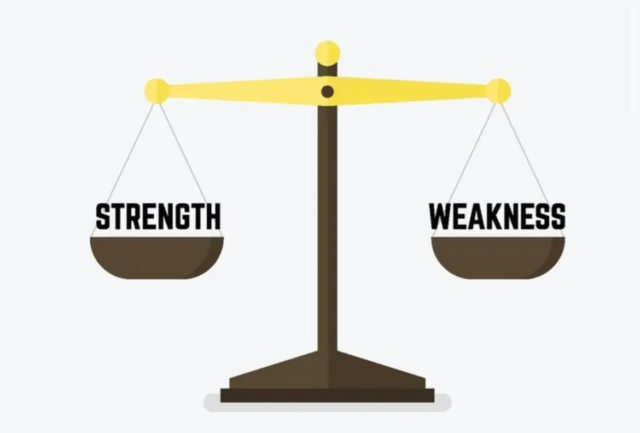
How To Get The Best Out Of People Without Causing Burnout At Work I wrote more than my share of group papers in my university courses because many of my teammates never showed up to meetings, and when they did, their work was usually poor. I didn’t want to take over, but I had no patience for waiting. I figured out quickly it was easier to just do the assignments myself than to waste time hoping others would step up. That experience was an early lesson in how uneven motivation and capability create tension, and it made me realize that leaders face the same challenge in the workplace. If leaders do what I did and just take over and do the work themselves, they don’t help their people grow. The reality is some people are eager to stretch themselves, others hold back, and leaders are left to decide how much to encourage growth without crossing the line. The real question is how to get the best out of people without causing burnout at work. Why Comfort Zones Can Lead To Burnout At Work Comfort zones feel safe, but they also limit growth. Employees who stick with what they know may appear steady, but eventually they stagnate. Leaders who let people stay in their comfort zones for too long risk creating teams that lack adaptability. At the same time, pushing too aggressively can backfire. People who are stretched too far too quickly often feel stress and that drains motivation. This is when burnout at work begins. The real challenge is knowing how to respect comfort zones while creating enough stretch to build confidence. Balancing Strengths And Weaknesses To Prevent Burnout At Work Gallup’s research shows that employees who use their strengths daily are six times more likely to be engaged. Tom Rath, co-author of StrengthsFinder, told me that leaning into natural talents is often the fastest path to confidence and performance gains. At the same time, he cautioned me against the idea that we should only focus on strengths. He said it is just as reckless to ignore weaknesses as it is to ignore strengths. His point was that leaders need balance. Too much time spent on weaknesses drains confidence, but avoiding them altogether prevents people from growing. My curiosity research found that assumptions hold many employees back. People often convince themselves they will not like something or cannot succeed, and those assumptions create invisible barriers. When companies address those barriers, the financial results are sizable. In my research with executives across industries, more than 80% of small to medium size companies saved over $100,000 a year by building a culture of curiosity, and 100% of larger organizations saved over $1 million annually. Curiosity helps break down assumptions, keeps people from being stuck, and prevents burnout at work by distributing opportunities more evenly. Carol Dweck’s growth mindset research adds to this. She found that students praised for effort rather than innate ability were more likely to take on challenges, persist longer, and improve their performance. Applied to work, this means employees who feel safe to try, learn, and even fail will grow without the fear that creates burnout at work. Comfort Zones That Lead To Burnout At Work I once managed a woman who was excellent at her job but dreaded giving presentations. She had a true phobia of public speaking and no interest in promotion. I did not force her to present, but I often wondered if I had missed an opportunity to help her grow. Perhaps if I had started small, like asking her to introduce one slide, she might have discovered more confidence. The point is not that everyone has to become a speaker, but that leaders need to ask whether resistance is rooted in fear or in limitation. I also worked with a woman who believed that if she ever took time off, it would show she was not needed. She worked constantly and nearly exhausted herself. That kind of obsessive work ethic may look admirable, but it often leads directly to burnout at work. Leaders who recognize these extremes early can redistribute responsibility and encourage healthier balance before capable employees burn out. CEO: C-suite news, analysis, and advice for top decision makers right to your inbox. How To Recognize Fear Versus Laziness To Reduce Burnout At Work It is not always easy to tell if resistance is fear or indifference. Fear usually comes with visible anxiety. The employee avoids the task but also worries about it. Laziness looks more like indifference with no visible discomfort. Leaders can uncover the difference by asking questions. If it is fear, support and small steps can help. If it is indifference, accountability and clear expectations may be the solution. Either way, ignoring the issue frustrates high performers and allows burnout at work to spread across the team. Why Leaders Should Not Just Do The Work Themselves To Prevent Burnout At Work It is tempting for leaders to take on tasks themselves, especially when capable employees are overloaded and less capable ones are not stepping up. I learned this in my university example with group papers. It felt easier to do the entire project than to wait for people who contributed little. But while that solved the immediate problem, it didn’t help anyone else improve. The same thing happens at work. Leaders who “rescue” projects by taking over may get short-term results, but long term, the team stays dependent and does not grow. Even worse, leaders end up overwhelmed and risk their own burnout at work. A better approach is to break tasks into smaller pieces, set clear expectations, and provide support as employees stretch. This way, the work gets done, employees build capability, and leaders protect their capacity. Using Curiosity To Help Employees Avoid Burnout At Work Curiosity is one of the best tools leaders can use to move people beyond comfort zones. Instead of labeling someone as unwilling, leaders can ask questions to uncover what is behind hesitation. What about this feels uncomfortable? What support would make it easier to try? What would a small first step look like? Questions like these shift the conversation from resistance to possibility. Practical Ways Leaders Can Prevent Burnout At Work Leaders can avoid burnout at work without shutting down growth by keeping things simple. Instead of dropping someone into the deep end, let them test new skills in small, low-pressure ways. I’ve seen how much easier it is for people to try something new when the first step feels manageable. Another approach is pairing a confident employee with someone who needs a little more support. Both benefit because the stronger performer practices mentoring while the other gets guidance. It is also important to keep an eye on workloads. A stretch assignment should stretch skills, not just pile on more tasks. And don’t forget recognition. People need to know their effort matters, not just the end result. Progress counts, and when employees see that their attempts are valued, they are much more willing to keep moving forward. How To Get The Best Out Of People Without Causing Burnout At Work Comfort zones feel safe, but they can also hold people back. When employees never step outside of them, they stop growing. On the other hand, when they are pushed too far without support, they burn out. The leaders who get this right strike a balance. They lean into people’s strengths while still giving them room to develop. They ask curious questions that challenge assumptions and keep progress moving. And they make sure to notice effort along the way. When growth feels safe, people are more willing to try, and that is how you get the best out of them without causing burnout at work.
Forbes
-

How To Get The Best Out Of People Without Causing Burnout At Work I wrote more than my share of group papers in my university courses because many of my teammates never showed up to meetings, and when they did, their work was usually poor. I didn’t want to take over, but I had no patience for waiting. I figured out quickly it was easier to just do the assignments myself than to waste time hoping others would step up. That experience was an early lesson in how uneven motivation and capability create tension, and it made me realize that leaders face the same challenge in the workplace. If leaders do what I did and just take over and do the work themselves, they don’t help their people grow. The reality is some people are eager to stretch themselves, others hold back, and leaders are left to decide how much to encourage growth without crossing the line. The real question is how to get the best out of people without causing burnout at work. Why Comfort Zones Can Lead To Burnout At Work Comfort zones feel safe, but they also limit growth. Employees who stick with what they know may appear steady, but eventually they stagnate. Leaders who let people stay in their comfort zones for too long risk creating teams that lack adaptability. At the same time, pushing too aggressively can backfire. People who are stretched too far too quickly often feel stress and that drains motivation. This is when burnout at work begins. The real challenge is knowing how to respect comfort zones while creating enough stretch to build confidence. Balancing Strengths And Weaknesses To Prevent Burnout At Work Gallup’s research shows that employees who use their strengths daily are six times more likely to be engaged. Tom Rath, co-author of StrengthsFinder, told me that leaning into natural talents is often the fastest path to confidence and performance gains. At the same time, he cautioned me against the idea that we should only focus on strengths. He said it is just as reckless to ignore weaknesses as it is to ignore strengths. His point was that leaders need balance. Too much time spent on weaknesses drains confidence, but avoiding them altogether prevents people from growing. My curiosity research found that assumptions hold many employees back. People often convince themselves they will not like something or cannot succeed, and those assumptions create invisible barriers. When companies address those barriers, the financial results are sizable. In my research with executives across industries, more than 80% of small to medium size companies saved over $100,000 a year by building a culture of curiosity, and 100% of larger organizations saved over $1 million annually. Curiosity helps break down assumptions, keeps people from being stuck, and prevents burnout at work by distributing opportunities more evenly. Carol Dweck’s growth mindset research adds to this. She found that students praised for effort rather than innate ability were more likely to take on challenges, persist longer, and improve their performance. Applied to work, this means employees who feel safe to try, learn, and even fail will grow without the fear that creates burnout at work. Comfort Zones That Lead To Burnout At Work I once managed a woman who was excellent at her job but dreaded giving presentations. She had a true phobia of public speaking and no interest in promotion. I did not force her to present, but I often wondered if I had missed an opportunity to help her grow. Perhaps if I had started small, like asking her to introduce one slide, she might have discovered more confidence. The point is not that everyone has to become a speaker, but that leaders need to ask whether resistance is rooted in fear or in limitation. I also worked with a woman who believed that if she ever took time off, it would show she was not needed. She worked constantly and nearly exhausted herself. That kind of obsessive work ethic may look admirable, but it often leads directly to burnout at work. Leaders who recognize these extremes early can redistribute responsibility and encourage healthier balance before capable employees burn out. CEO: C-suite news, analysis, and advice for top decision makers right to your inbox. How To Recognize Fear Versus Laziness To Reduce Burnout At Work It is not always easy to tell if resistance is fear or indifference. Fear usually comes with visible anxiety. The employee avoids the task but also worries about it. Laziness looks more like indifference with no visible discomfort. Leaders can uncover the difference by asking questions. If it is fear, support and small steps can help. If it is indifference, accountability and clear expectations may be the solution. Either way, ignoring the issue frustrates high performers and allows burnout at work to spread across the team. Why Leaders Should Not Just Do The Work Themselves To Prevent Burnout At Work It is tempting for leaders to take on tasks themselves, especially when capable employees are overloaded and less capable ones are not stepping up. I learned this in my university example with group papers. It felt easier to do the entire project than to wait for people who contributed little. But while that solved the immediate problem, it didn’t help anyone else improve. The same thing happens at work. Leaders who “rescue” projects by taking over may get short-term results, but long term, the team stays dependent and does not grow. Even worse, leaders end up overwhelmed and risk their own burnout at work. A better approach is to break tasks into smaller pieces, set clear expectations, and provide support as employees stretch. This way, the work gets done, employees build capability, and leaders protect their capacity. Using Curiosity To Help Employees Avoid Burnout At Work Curiosity is one of the best tools leaders can use to move people beyond comfort zones. Instead of labeling someone as unwilling, leaders can ask questions to uncover what is behind hesitation. What about this feels uncomfortable? What support would make it easier to try? What would a small first step look like? Questions like these shift the conversation from resistance to possibility. Practical Ways Leaders Can Prevent Burnout At Work Leaders can avoid burnout at work without shutting down growth by keeping things simple. Instead of dropping someone into the deep end, let them test new skills in small, low-pressure ways. I’ve seen how much easier it is for people to try something new when the first step feels manageable. Another approach is pairing a confident employee with someone who needs a little more support. Both benefit because the stronger performer practices mentoring while the other gets guidance. It is also important to keep an eye on workloads. A stretch assignment should stretch skills, not just pile on more tasks. And don’t forget recognition. People need to know their effort matters, not just the end result. Progress counts, and when employees see that their attempts are valued, they are much more willing to keep moving forward. How To Get The Best Out Of People Without Causing Burnout At Work Comfort zones feel safe, but they can also hold people back. When employees never step outside of them, they stop growing. On the other hand, when they are pushed too far without support, they burn out. The leaders who get this right strike a balance. They lean into people’s strengths while still giving them room to develop. They ask curious questions that challenge assumptions and keep progress moving. And they make sure to notice effort along the way. When growth feels safe, people are more willing to try, and that is how you get the best out of them without causing burnout at work.
Forbes
-
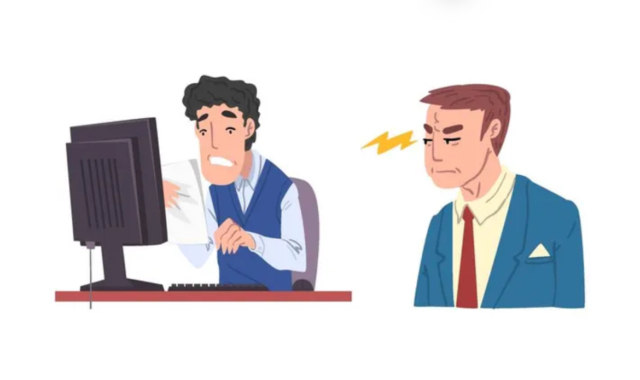
How To Get The Best Out Of People Without Causing Burnout At Work I wrote more than my share of group papers in my university courses because many of my teammates never showed up to meetings, and when they did, their work was usually poor. I didn’t want to take over, but I had no patience for waiting. I figured out quickly it was easier to just do the assignments myself than to waste time hoping others would step up. That experience was an early lesson in how uneven motivation and capability create tension, and it made me realize that leaders face the same challenge in the workplace. If leaders do what I did and just take over and do the work themselves, they don’t help their people grow. The reality is some people are eager to stretch themselves, others hold back, and leaders are left to decide how much to encourage growth without crossing the line. The real question is how to get the best out of people without causing burnout at work. Why Comfort Zones Can Lead To Burnout At Work Comfort zones feel safe, but they also limit growth. Employees who stick with what they know may appear steady, but eventually they stagnate. Leaders who let people stay in their comfort zones for too long risk creating teams that lack adaptability. At the same time, pushing too aggressively can backfire. People who are stretched too far too quickly often feel stress and that drains motivation. This is when burnout at work begins. The real challenge is knowing how to respect comfort zones while creating enough stretch to build confidence. Balancing Strengths And Weaknesses To Prevent Burnout At Work Gallup’s research shows that employees who use their strengths daily are six times more likely to be engaged. Tom Rath, co-author of StrengthsFinder, told me that leaning into natural talents is often the fastest path to confidence and performance gains. At the same time, he cautioned me against the idea that we should only focus on strengths. He said it is just as reckless to ignore weaknesses as it is to ignore strengths. His point was that leaders need balance. Too much time spent on weaknesses drains confidence, but avoiding them altogether prevents people from growing. My curiosity research found that assumptions hold many employees back. People often convince themselves they will not like something or cannot succeed, and those assumptions create invisible barriers. When companies address those barriers, the financial results are sizable. In my research with executives across industries, more than 80% of small to medium size companies saved over $100,000 a year by building a culture of curiosity, and 100% of larger organizations saved over $1 million annually. Curiosity helps break down assumptions, keeps people from being stuck, and prevents burnout at work by distributing opportunities more evenly. Carol Dweck’s growth mindset research adds to this. She found that students praised for effort rather than innate ability were more likely to take on challenges, persist longer, and improve their performance. Applied to work, this means employees who feel safe to try, learn, and even fail will grow without the fear that creates burnout at work. Comfort Zones That Lead To Burnout At Work I once managed a woman who was excellent at her job but dreaded giving presentations. She had a true phobia of public speaking and no interest in promotion. I did not force her to present, but I often wondered if I had missed an opportunity to help her grow. Perhaps if I had started small, like asking her to introduce one slide, she might have discovered more confidence. The point is not that everyone has to become a speaker, but that leaders need to ask whether resistance is rooted in fear or in limitation. I also worked with a woman who believed that if she ever took time off, it would show she was not needed. She worked constantly and nearly exhausted herself. That kind of obsessive work ethic may look admirable, but it often leads directly to burnout at work. Leaders who recognize these extremes early can redistribute responsibility and encourage healthier balance before capable employees burn out. CEO: C-suite news, analysis, and advice for top decision makers right to your inbox. How To Recognize Fear Versus Laziness To Reduce Burnout At Work It is not always easy to tell if resistance is fear or indifference. Fear usually comes with visible anxiety. The employee avoids the task but also worries about it. Laziness looks more like indifference with no visible discomfort. Leaders can uncover the difference by asking questions. If it is fear, support and small steps can help. If it is indifference, accountability and clear expectations may be the solution. Either way, ignoring the issue frustrates high performers and allows burnout at work to spread across the team. Why Leaders Should Not Just Do The Work Themselves To Prevent Burnout At Work It is tempting for leaders to take on tasks themselves, especially when capable employees are overloaded and less capable ones are not stepping up. I learned this in my university example with group papers. It felt easier to do the entire project than to wait for people who contributed little. But while that solved the immediate problem, it didn’t help anyone else improve. The same thing happens at work. Leaders who “rescue” projects by taking over may get short-term results, but long term, the team stays dependent and does not grow. Even worse, leaders end up overwhelmed and risk their own burnout at work. A better approach is to break tasks into smaller pieces, set clear expectations, and provide support as employees stretch. This way, the work gets done, employees build capability, and leaders protect their capacity. Using Curiosity To Help Employees Avoid Burnout At Work Curiosity is one of the best tools leaders can use to move people beyond comfort zones. Instead of labeling someone as unwilling, leaders can ask questions to uncover what is behind hesitation. What about this feels uncomfortable? What support would make it easier to try? What would a small first step look like? Questions like these shift the conversation from resistance to possibility. Practical Ways Leaders Can Prevent Burnout At Work Leaders can avoid burnout at work without shutting down growth by keeping things simple. Instead of dropping someone into the deep end, let them test new skills in small, low-pressure ways. I’ve seen how much easier it is for people to try something new when the first step feels manageable. Another approach is pairing a confident employee with someone who needs a little more support. Both benefit because the stronger performer practices mentoring while the other gets guidance. It is also important to keep an eye on workloads. A stretch assignment should stretch skills, not just pile on more tasks. And don’t forget recognition. People need to know their effort matters, not just the end result. Progress counts, and when employees see that their attempts are valued, they are much more willing to keep moving forward. How To Get The Best Out Of People Without Causing Burnout At Work Comfort zones feel safe, but they can also hold people back. When employees never step outside of them, they stop growing. On the other hand, when they are pushed too far without support, they burn out. The leaders who get this right strike a balance. They lean into people’s strengths while still giving them room to develop. They ask curious questions that challenge assumptions and keep progress moving. And they make sure to notice effort along the way. When growth feels safe, people are more willing to try, and that is how you get the best out of them without causing burnout at work.
Forbes
-

How To Get The Best Out Of People Without Causing Burnout At Work I wrote more than my share of group papers in my university courses because many of my teammates never showed up to meetings, and when they did, their work was usually poor. I didn’t want to take over, but I had no patience for waiting. I figured out quickly it was easier to just do the assignments myself than to waste time hoping others would step up. That experience was an early lesson in how uneven motivation and capability create tension, and it made me realize that leaders face the same challenge in the workplace. If leaders do what I did and just take over and do the work themselves, they don’t help their people grow. The reality is some people are eager to stretch themselves, others hold back, and leaders are left to decide how much to encourage growth without crossing the line. The real question is how to get the best out of people without causing burnout at work. Why Comfort Zones Can Lead To Burnout At Work Comfort zones feel safe, but they also limit growth. Employees who stick with what they know may appear steady, but eventually they stagnate. Leaders who let people stay in their comfort zones for too long risk creating teams that lack adaptability. At the same time, pushing too aggressively can backfire. People who are stretched too far too quickly often feel stress and that drains motivation. This is when burnout at work begins. The real challenge is knowing how to respect comfort zones while creating enough stretch to build confidence. Balancing Strengths And Weaknesses To Prevent Burnout At Work Gallup’s research shows that employees who use their strengths daily are six times more likely to be engaged. Tom Rath, co-author of StrengthsFinder, told me that leaning into natural talents is often the fastest path to confidence and performance gains. At the same time, he cautioned me against the idea that we should only focus on strengths. He said it is just as reckless to ignore weaknesses as it is to ignore strengths. His point was that leaders need balance. Too much time spent on weaknesses drains confidence, but avoiding them altogether prevents people from growing. My curiosity research found that assumptions hold many employees back. People often convince themselves they will not like something or cannot succeed, and those assumptions create invisible barriers. When companies address those barriers, the financial results are sizable. In my research with executives across industries, more than 80% of small to medium size companies saved over $100,000 a year by building a culture of curiosity, and 100% of larger organizations saved over $1 million annually. Curiosity helps break down assumptions, keeps people from being stuck, and prevents burnout at work by distributing opportunities more evenly. Carol Dweck’s growth mindset research adds to this. She found that students praised for effort rather than innate ability were more likely to take on challenges, persist longer, and improve their performance. Applied to work, this means employees who feel safe to try, learn, and even fail will grow without the fear that creates burnout at work. Comfort Zones That Lead To Burnout At Work I once managed a woman who was excellent at her job but dreaded giving presentations. She had a true phobia of public speaking and no interest in promotion. I did not force her to present, but I often wondered if I had missed an opportunity to help her grow. Perhaps if I had started small, like asking her to introduce one slide, she might have discovered more confidence. The point is not that everyone has to become a speaker, but that leaders need to ask whether resistance is rooted in fear or in limitation. I also worked with a woman who believed that if she ever took time off, it would show she was not needed. She worked constantly and nearly exhausted herself. That kind of obsessive work ethic may look admirable, but it often leads directly to burnout at work. Leaders who recognize these extremes early can redistribute responsibility and encourage healthier balance before capable employees burn out. CEO: C-suite news, analysis, and advice for top decision makers right to your inbox. How To Recognize Fear Versus Laziness To Reduce Burnout At Work It is not always easy to tell if resistance is fear or indifference. Fear usually comes with visible anxiety. The employee avoids the task but also worries about it. Laziness looks more like indifference with no visible discomfort. Leaders can uncover the difference by asking questions. If it is fear, support and small steps can help. If it is indifference, accountability and clear expectations may be the solution. Either way, ignoring the issue frustrates high performers and allows burnout at work to spread across the team. Why Leaders Should Not Just Do The Work Themselves To Prevent Burnout At Work It is tempting for leaders to take on tasks themselves, especially when capable employees are overloaded and less capable ones are not stepping up. I learned this in my university example with group papers. It felt easier to do the entire project than to wait for people who contributed little. But while that solved the immediate problem, it didn’t help anyone else improve. The same thing happens at work. Leaders who “rescue” projects by taking over may get short-term results, but long term, the team stays dependent and does not grow. Even worse, leaders end up overwhelmed and risk their own burnout at work. A better approach is to break tasks into smaller pieces, set clear expectations, and provide support as employees stretch. This way, the work gets done, employees build capability, and leaders protect their capacity. Using Curiosity To Help Employees Avoid Burnout At Work Curiosity is one of the best tools leaders can use to move people beyond comfort zones. Instead of labeling someone as unwilling, leaders can ask questions to uncover what is behind hesitation. What about this feels uncomfortable? What support would make it easier to try? What would a small first step look like? Questions like these shift the conversation from resistance to possibility. Practical Ways Leaders Can Prevent Burnout At Work Leaders can avoid burnout at work without shutting down growth by keeping things simple. Instead of dropping someone into the deep end, let them test new skills in small, low-pressure ways. I’ve seen how much easier it is for people to try something new when the first step feels manageable. Another approach is pairing a confident employee with someone who needs a little more support. Both benefit because the stronger performer practices mentoring while the other gets guidance. It is also important to keep an eye on workloads. A stretch assignment should stretch skills, not just pile on more tasks. And don’t forget recognition. People need to know their effort matters, not just the end result. Progress counts, and when employees see that their attempts are valued, they are much more willing to keep moving forward. How To Get The Best Out Of People Without Causing Burnout At Work Comfort zones feel safe, but they can also hold people back. When employees never step outside of them, they stop growing. On the other hand, when they are pushed too far without support, they burn out. The leaders who get this right strike a balance. They lean into people’s strengths while still giving them room to develop. They ask curious questions that challenge assumptions and keep progress moving. And they make sure to notice effort along the way. When growth feels safe, people are more willing to try, and that is how you get the best out of them without causing burnout at work.
Forbes
-

How To Get The Best Out Of People Without Causing Burnout At Work I wrote more than my share of group papers in my university courses because many of my teammates never showed up to meetings, and when they did, their work was usually poor. I didn’t want to take over, but I had no patience for waiting. I figured out quickly it was easier to just do the assignments myself than to waste time hoping others would step up. That experience was an early lesson in how uneven motivation and capability create tension, and it made me realize that leaders face the same challenge in the workplace. If leaders do what I did and just take over and do the work themselves, they don’t help their people grow. The reality is some people are eager to stretch themselves, others hold back, and leaders are left to decide how much to encourage growth without crossing the line. The real question is how to get the best out of people without causing burnout at work. Why Comfort Zones Can Lead To Burnout At Work Comfort zones feel safe, but they also limit growth. Employees who stick with what they know may appear steady, but eventually they stagnate. Leaders who let people stay in their comfort zones for too long risk creating teams that lack adaptability. At the same time, pushing too aggressively can backfire. People who are stretched too far too quickly often feel stress and that drains motivation. This is when burnout at work begins. The real challenge is knowing how to respect comfort zones while creating enough stretch to build confidence. Balancing Strengths And Weaknesses To Prevent Burnout At Work Gallup’s research shows that employees who use their strengths daily are six times more likely to be engaged. Tom Rath, co-author of StrengthsFinder, told me that leaning into natural talents is often the fastest path to confidence and performance gains. At the same time, he cautioned me against the idea that we should only focus on strengths. He said it is just as reckless to ignore weaknesses as it is to ignore strengths. His point was that leaders need balance. Too much time spent on weaknesses drains confidence, but avoiding them altogether prevents people from growing. My curiosity research found that assumptions hold many employees back. People often convince themselves they will not like something or cannot succeed, and those assumptions create invisible barriers. When companies address those barriers, the financial results are sizable. In my research with executives across industries, more than 80% of small to medium size companies saved over $100,000 a year by building a culture of curiosity, and 100% of larger organizations saved over $1 million annually. Curiosity helps break down assumptions, keeps people from being stuck, and prevents burnout at work by distributing opportunities more evenly. Carol Dweck’s growth mindset research adds to this. She found that students praised for effort rather than innate ability were more likely to take on challenges, persist longer, and improve their performance. Applied to work, this means employees who feel safe to try, learn, and even fail will grow without the fear that creates burnout at work. Comfort Zones That Lead To Burnout At Work I once managed a woman who was excellent at her job but dreaded giving presentations. She had a true phobia of public speaking and no interest in promotion. I did not force her to present, but I often wondered if I had missed an opportunity to help her grow. Perhaps if I had started small, like asking her to introduce one slide, she might have discovered more confidence. The point is not that everyone has to become a speaker, but that leaders need to ask whether resistance is rooted in fear or in limitation. I also worked with a woman who believed that if she ever took time off, it would show she was not needed. She worked constantly and nearly exhausted herself. That kind of obsessive work ethic may look admirable, but it often leads directly to burnout at work. Leaders who recognize these extremes early can redistribute responsibility and encourage healthier balance before capable employees burn out. CEO: C-suite news, analysis, and advice for top decision makers right to your inbox. How To Recognize Fear Versus Laziness To Reduce Burnout At Work It is not always easy to tell if resistance is fear or indifference. Fear usually comes with visible anxiety. The employee avoids the task but also worries about it. Laziness looks more like indifference with no visible discomfort. Leaders can uncover the difference by asking questions. If it is fear, support and small steps can help. If it is indifference, accountability and clear expectations may be the solution. Either way, ignoring the issue frustrates high performers and allows burnout at work to spread across the team. Why Leaders Should Not Just Do The Work Themselves To Prevent Burnout At Work It is tempting for leaders to take on tasks themselves, especially when capable employees are overloaded and less capable ones are not stepping up. I learned this in my university example with group papers. It felt easier to do the entire project than to wait for people who contributed little. But while that solved the immediate problem, it didn’t help anyone else improve. The same thing happens at work. Leaders who “rescue” projects by taking over may get short-term results, but long term, the team stays dependent and does not grow. Even worse, leaders end up overwhelmed and risk their own burnout at work. A better approach is to break tasks into smaller pieces, set clear expectations, and provide support as employees stretch. This way, the work gets done, employees build capability, and leaders protect their capacity. Using Curiosity To Help Employees Avoid Burnout At Work Curiosity is one of the best tools leaders can use to move people beyond comfort zones. Instead of labeling someone as unwilling, leaders can ask questions to uncover what is behind hesitation. What about this feels uncomfortable? What support would make it easier to try? What would a small first step look like? Questions like these shift the conversation from resistance to possibility. Practical Ways Leaders Can Prevent Burnout At Work Leaders can avoid burnout at work without shutting down growth by keeping things simple. Instead of dropping someone into the deep end, let them test new skills in small, low-pressure ways. I’ve seen how much easier it is for people to try something new when the first step feels manageable. Another approach is pairing a confident employee with someone who needs a little more support. Both benefit because the stronger performer practices mentoring while the other gets guidance. It is also important to keep an eye on workloads. A stretch assignment should stretch skills, not just pile on more tasks. And don’t forget recognition. People need to know their effort matters, not just the end result. Progress counts, and when employees see that their attempts are valued, they are much more willing to keep moving forward. How To Get The Best Out Of People Without Causing Burnout At Work Comfort zones feel safe, but they can also hold people back. When employees never step outside of them, they stop growing. On the other hand, when they are pushed too far without support, they burn out. The leaders who get this right strike a balance. They lean into people’s strengths while still giving them room to develop. They ask curious questions that challenge assumptions and keep progress moving. And they make sure to notice effort along the way. When growth feels safe, people are more willing to try, and that is how you get the best out of them without causing burnout at work.
Forbes
-

How To Get The Best Out Of People Without Causing Burnout At Work I wrote more than my share of group papers in my university courses because many of my teammates never showed up to meetings, and when they did, their work was usually poor. I didn’t want to take over, but I had no patience for waiting. I figured out quickly it was easier to just do the assignments myself than to waste time hoping others would step up. That experience was an early lesson in how uneven motivation and capability create tension, and it made me realize that leaders face the same challenge in the workplace. If leaders do what I did and just take over and do the work themselves, they don’t help their people grow. The reality is some people are eager to stretch themselves, others hold back, and leaders are left to decide how much to encourage growth without crossing the line. The real question is how to get the best out of people without causing burnout at work. Why Comfort Zones Can Lead To Burnout At Work Comfort zones feel safe, but they also limit growth. Employees who stick with what they know may appear steady, but eventually they stagnate. Leaders who let people stay in their comfort zones for too long risk creating teams that lack adaptability. At the same time, pushing too aggressively can backfire. People who are stretched too far too quickly often feel stress and that drains motivation. This is when burnout at work begins. The real challenge is knowing how to respect comfort zones while creating enough stretch to build confidence. Balancing Strengths And Weaknesses To Prevent Burnout At Work Gallup’s research shows that employees who use their strengths daily are six times more likely to be engaged. Tom Rath, co-author of StrengthsFinder, told me that leaning into natural talents is often the fastest path to confidence and performance gains. At the same time, he cautioned me against the idea that we should only focus on strengths. He said it is just as reckless to ignore weaknesses as it is to ignore strengths. His point was that leaders need balance. Too much time spent on weaknesses drains confidence, but avoiding them altogether prevents people from growing. My curiosity research found that assumptions hold many employees back. People often convince themselves they will not like something or cannot succeed, and those assumptions create invisible barriers. When companies address those barriers, the financial results are sizable. In my research with executives across industries, more than 80% of small to medium size companies saved over $100,000 a year by building a culture of curiosity, and 100% of larger organizations saved over $1 million annually. Curiosity helps break down assumptions, keeps people from being stuck, and prevents burnout at work by distributing opportunities more evenly. Carol Dweck’s growth mindset research adds to this. She found that students praised for effort rather than innate ability were more likely to take on challenges, persist longer, and improve their performance. Applied to work, this means employees who feel safe to try, learn, and even fail will grow without the fear that creates burnout at work. Comfort Zones That Lead To Burnout At Work I once managed a woman who was excellent at her job but dreaded giving presentations. She had a true phobia of public speaking and no interest in promotion. I did not force her to present, but I often wondered if I had missed an opportunity to help her grow. Perhaps if I had started small, like asking her to introduce one slide, she might have discovered more confidence. The point is not that everyone has to become a speaker, but that leaders need to ask whether resistance is rooted in fear or in limitation. I also worked with a woman who believed that if she ever took time off, it would show she was not needed. She worked constantly and nearly exhausted herself. That kind of obsessive work ethic may look admirable, but it often leads directly to burnout at work. Leaders who recognize these extremes early can redistribute responsibility and encourage healthier balance before capable employees burn out. CEO: C-suite news, analysis, and advice for top decision makers right to your inbox. How To Recognize Fear Versus Laziness To Reduce Burnout At Work It is not always easy to tell if resistance is fear or indifference. Fear usually comes with visible anxiety. The employee avoids the task but also worries about it. Laziness looks more like indifference with no visible discomfort. Leaders can uncover the difference by asking questions. If it is fear, support and small steps can help. If it is indifference, accountability and clear expectations may be the solution. Either way, ignoring the issue frustrates high performers and allows burnout at work to spread across the team. Why Leaders Should Not Just Do The Work Themselves To Prevent Burnout At Work It is tempting for leaders to take on tasks themselves, especially when capable employees are overloaded and less capable ones are not stepping up. I learned this in my university example with group papers. It felt easier to do the entire project than to wait for people who contributed little. But while that solved the immediate problem, it didn’t help anyone else improve. The same thing happens at work. Leaders who “rescue” projects by taking over may get short-term results, but long term, the team stays dependent and does not grow. Even worse, leaders end up overwhelmed and risk their own burnout at work. A better approach is to break tasks into smaller pieces, set clear expectations, and provide support as employees stretch. This way, the work gets done, employees build capability, and leaders protect their capacity. Using Curiosity To Help Employees Avoid Burnout At Work Curiosity is one of the best tools leaders can use to move people beyond comfort zones. Instead of labeling someone as unwilling, leaders can ask questions to uncover what is behind hesitation. What about this feels uncomfortable? What support would make it easier to try? What would a small first step look like? Questions like these shift the conversation from resistance to possibility. Practical Ways Leaders Can Prevent Burnout At Work Leaders can avoid burnout at work without shutting down growth by keeping things simple. Instead of dropping someone into the deep end, let them test new skills in small, low-pressure ways. I’ve seen how much easier it is for people to try something new when the first step feels manageable. Another approach is pairing a confident employee with someone who needs a little more support. Both benefit because the stronger performer practices mentoring while the other gets guidance. It is also important to keep an eye on workloads. A stretch assignment should stretch skills, not just pile on more tasks. And don’t forget recognition. People need to know their effort matters, not just the end result. Progress counts, and when employees see that their attempts are valued, they are much more willing to keep moving forward. How To Get The Best Out Of People Without Causing Burnout At Work Comfort zones feel safe, but they can also hold people back. When employees never step outside of them, they stop growing. On the other hand, when they are pushed too far without support, they burn out. The leaders who get this right strike a balance. They lean into people’s strengths while still giving them room to develop. They ask curious questions that challenge assumptions and keep progress moving. And they make sure to notice effort along the way. When growth feels safe, people are more willing to try, and that is how you get the best out of them without causing burnout at work.
Forbes
-

America's Best Employers For Tech Workers 2025
Forbes
-

Interlune is developing robots to harvest a valuable gas on the lunar surface that could have a big impact on Earth.
Forbes